01 / 100
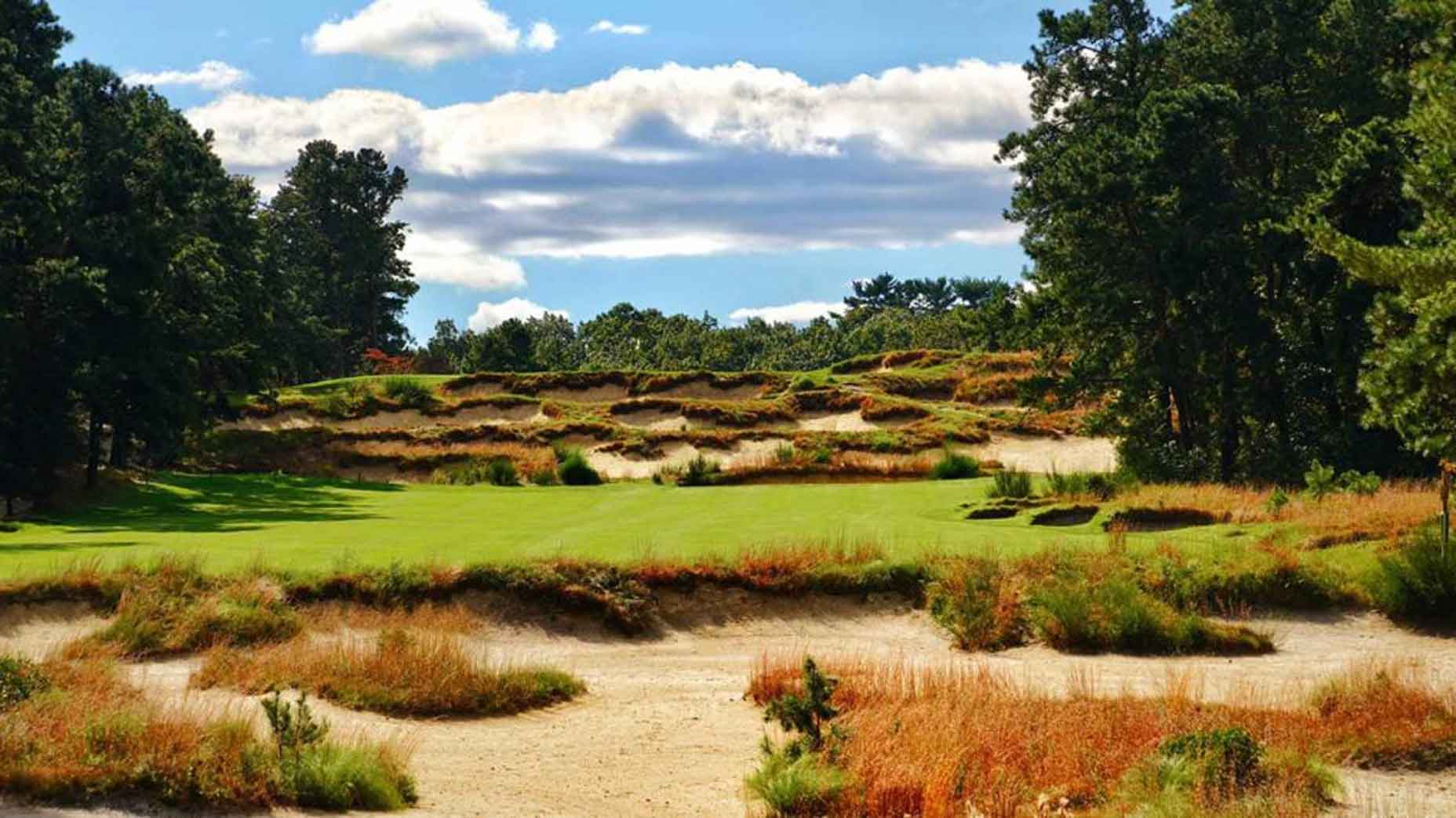
Pine Valley
George Crump's sandy New Jersey labyrinth makes every hole feel like its own island of turf. Its uncompromising hazards have kept Pine Valley at the top of course debates for generations.
Read the full story → STROKE OF HISTORY
A journey through the designs and landscapes that shaped the game. The order follows GOLF’s 2025–26 world ranking; the stories are written for Stroke of History.
George Crump's sandy New Jersey labyrinth makes every hole feel like its own island of turf. Its uncompromising hazards have kept Pine Valley at the top of course debates for generations.
Read the full story →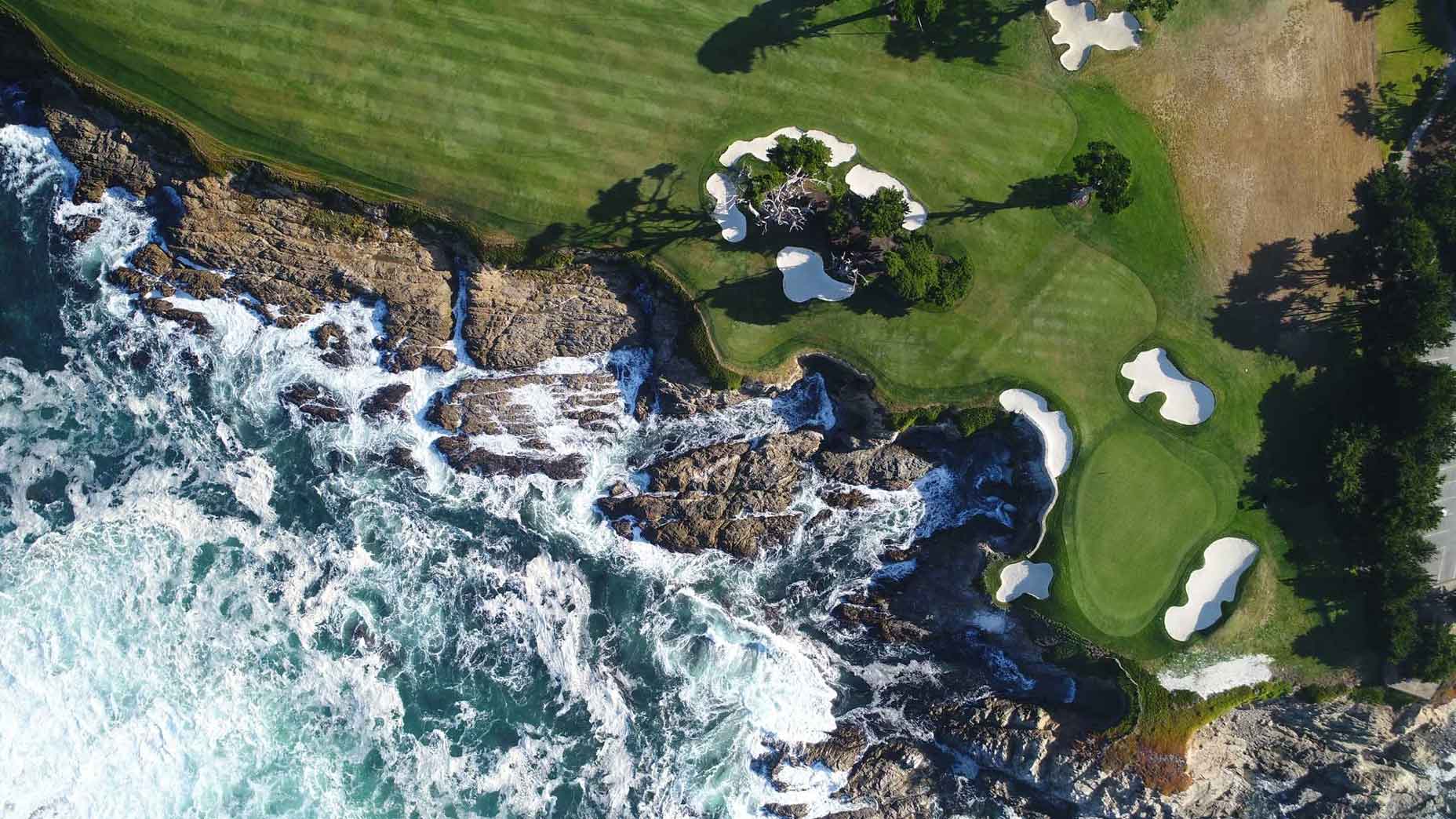
At Cypress Point, Alister MacKenzie led golfers from coastal forest to the Pacific's edge. The famous 16th asks for a breathtaking carry over ocean water.
Read the full story →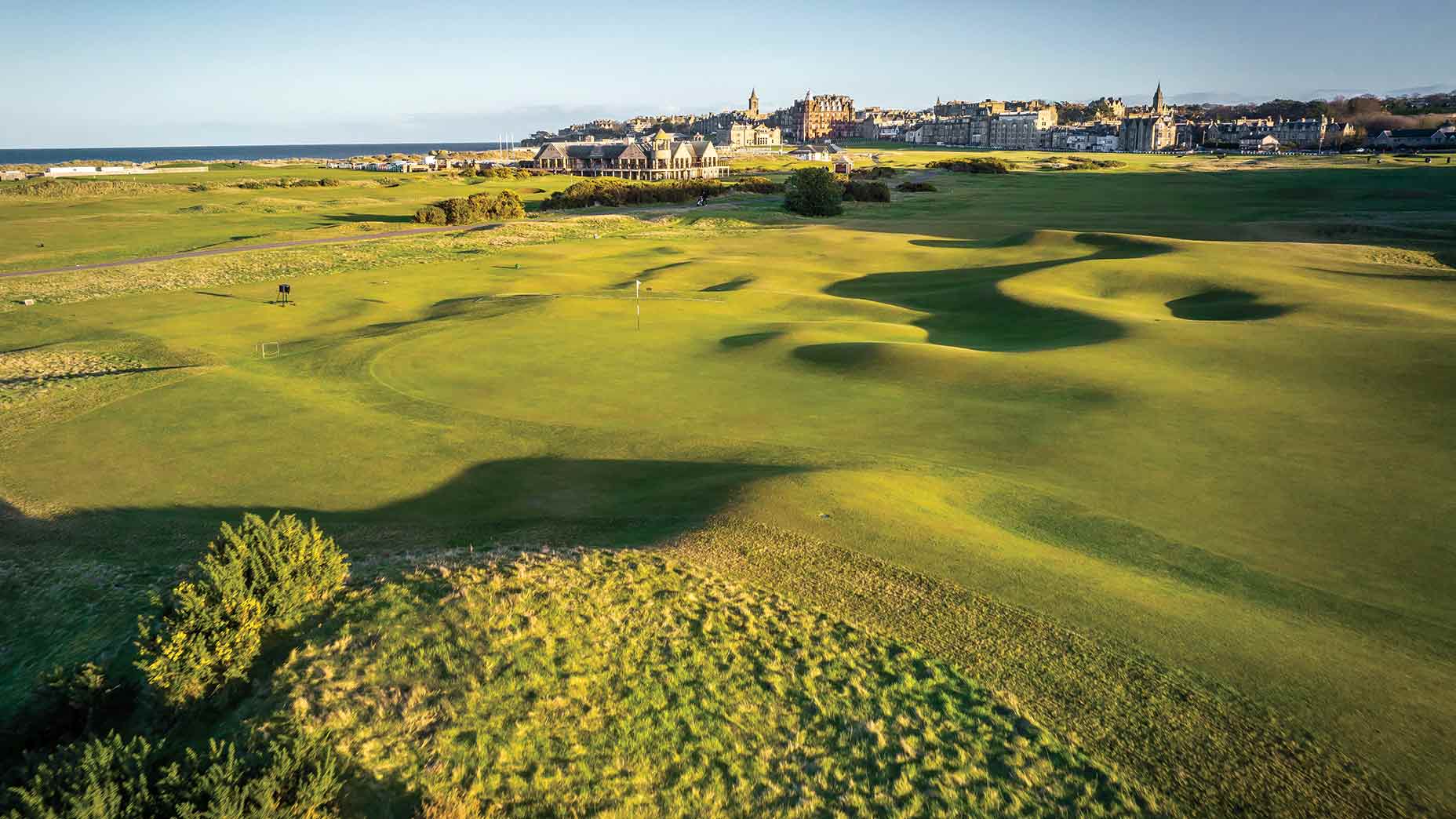
The Old Course's shared fairways, vast double greens and Road Hole grew through centuries of play. Golf's most influential design still rewards imagination more than any prescribed shot.
Read the full story →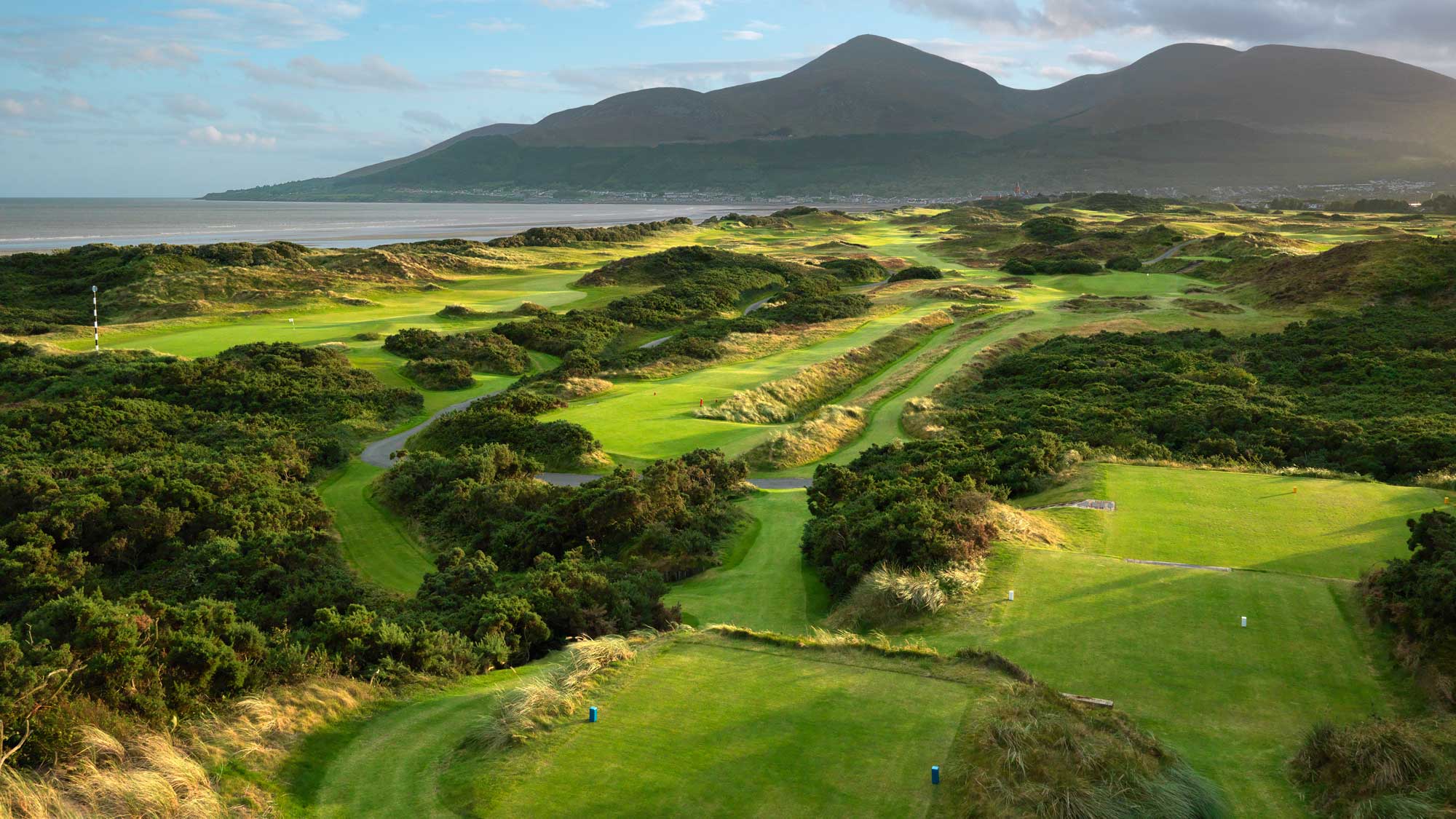
Blind drives and dunes make the opening stretch at Royal County Down unforgettable. The Mourne Mountains provide the backdrop, but its strategic uncertainty is the real drama.
Read the full story →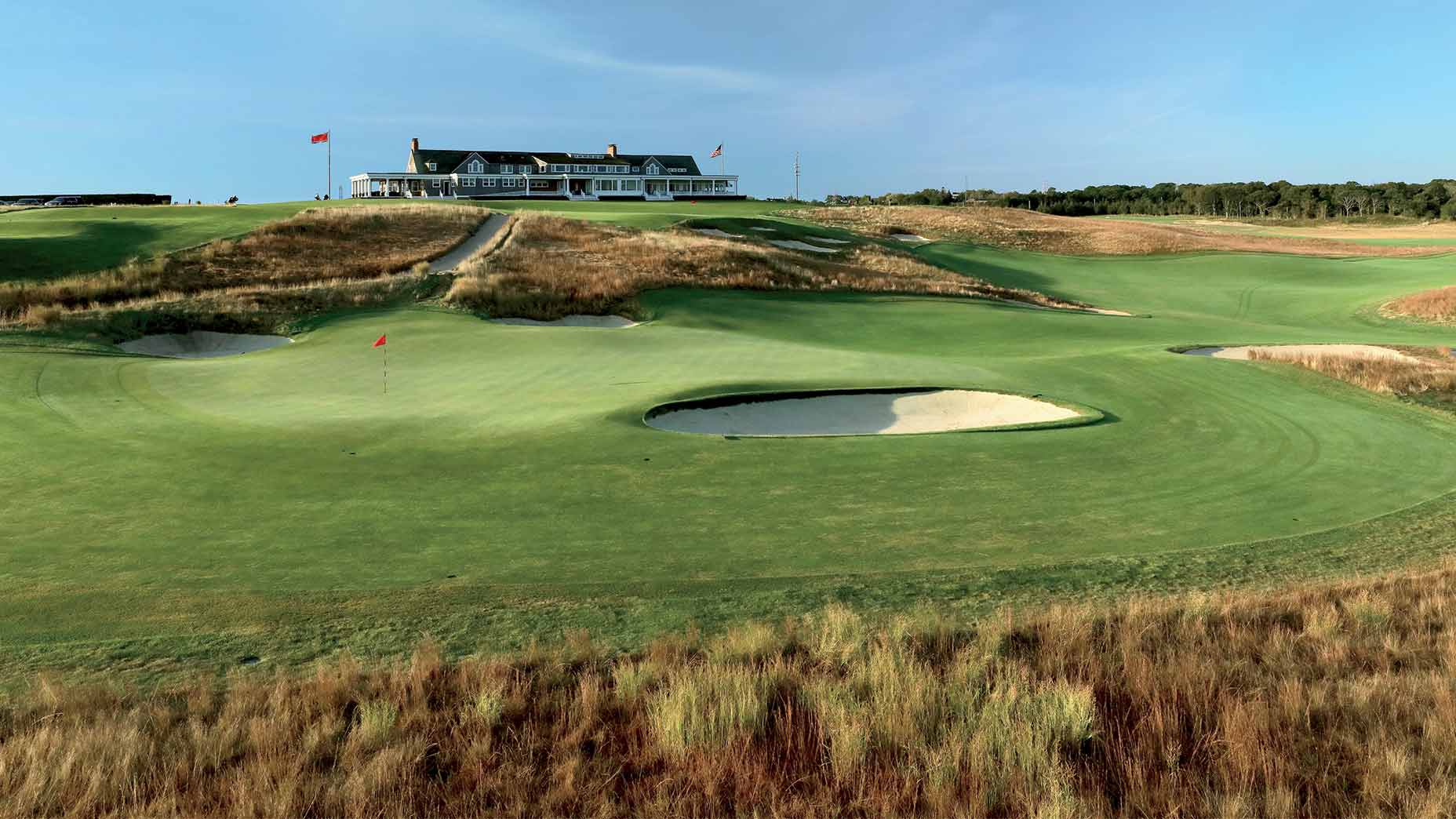
William Flynn's expansive Shinnecock has repeatedly hosted the U.S. Open. Wind, firm turf and exposed greens can make a seemingly simple approach anything but.
Read the full story →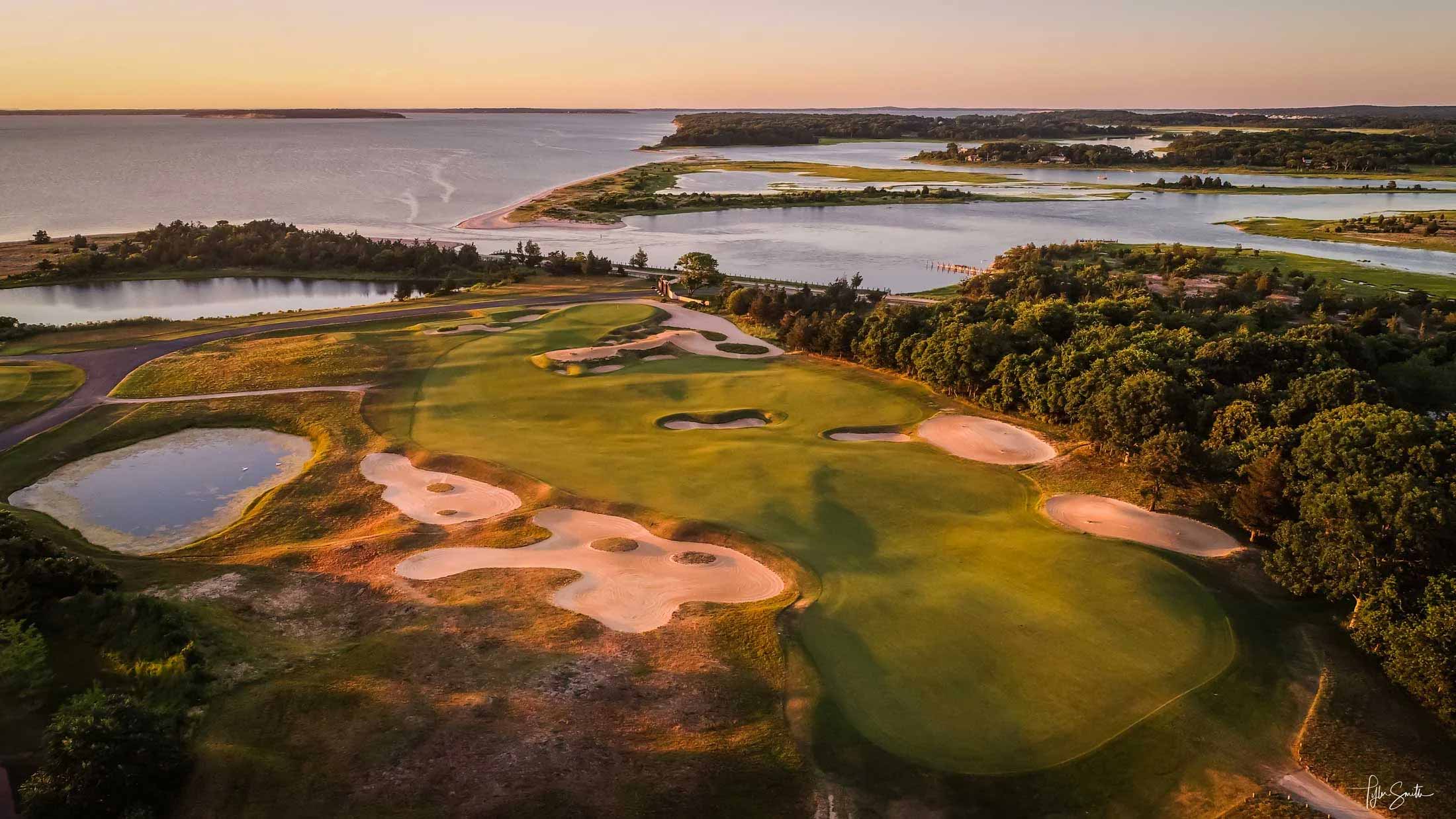
C.B. Macdonald drew on famous British holes to create an American design vocabulary here. Seth Raynor helped turn those templates into an enduring architectural landmark.
Read the full story →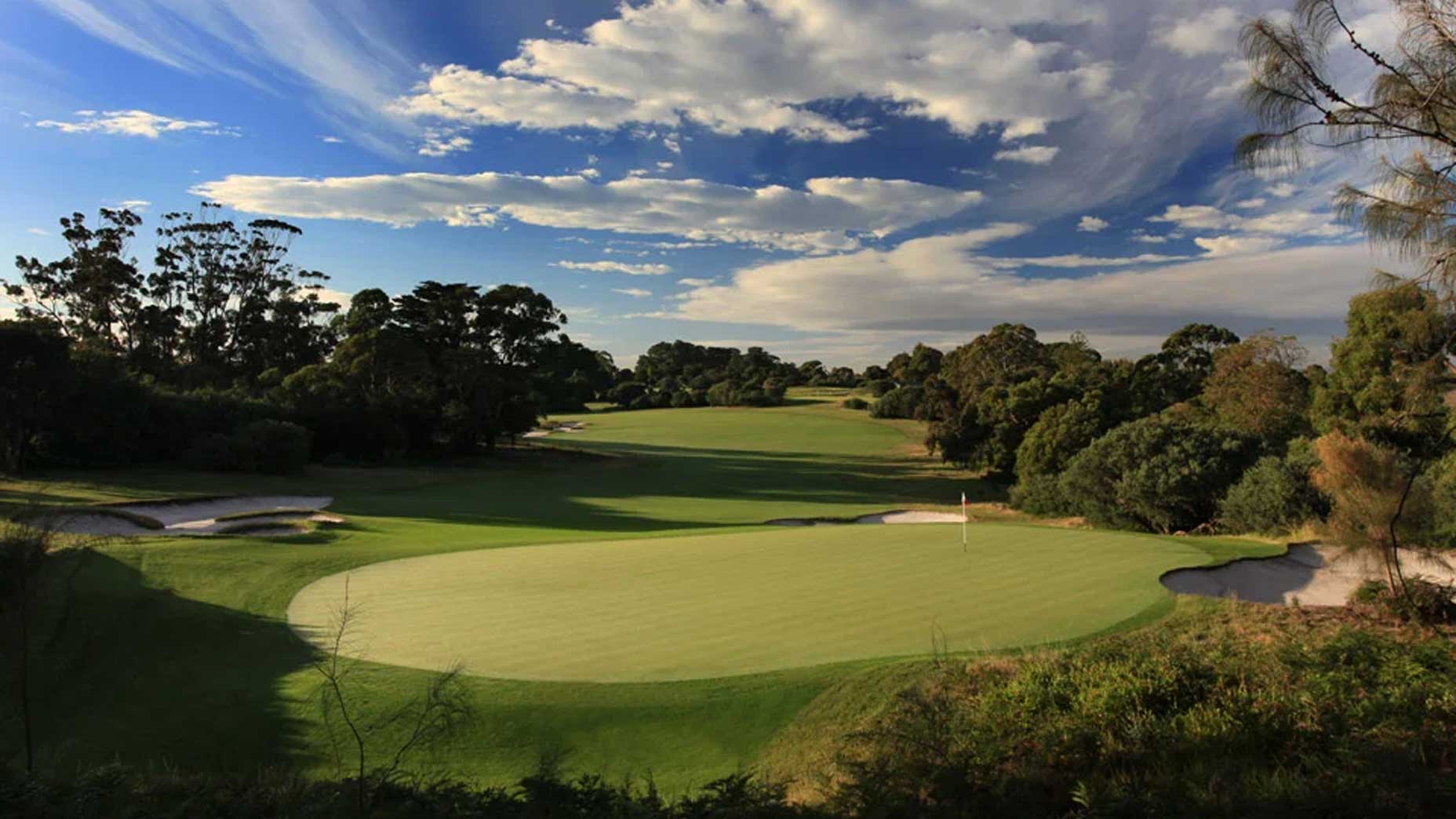
Royal Melbourne's West Course shows what Alister MacKenzie could do with sandy ground and bold bunkering. The angles into its greens change with every tee shot.
Read the full story →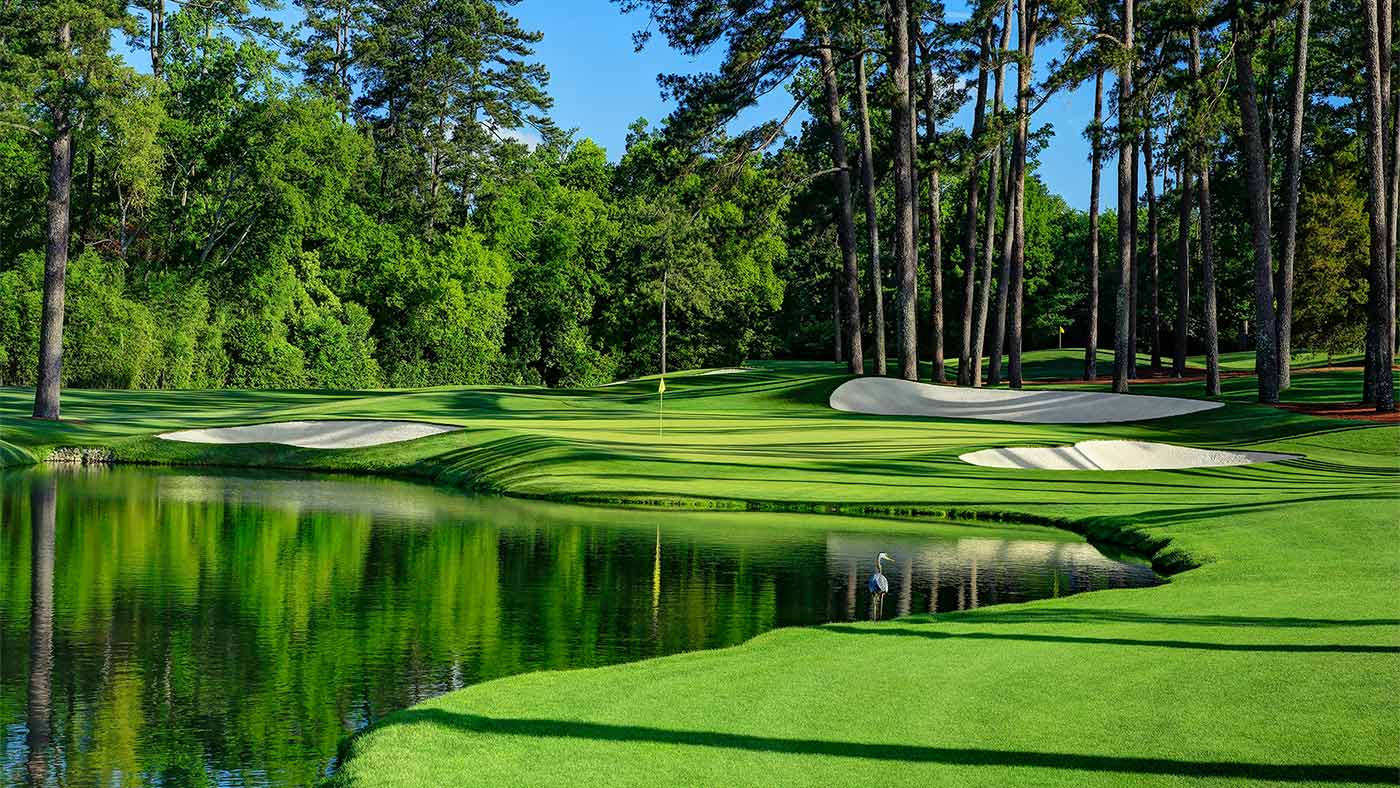
Bobby Jones and Alister MacKenzie envisioned a course full of choices. The Masters turned those sloping greens and risk-reward shots into annual theater.
Read the full story →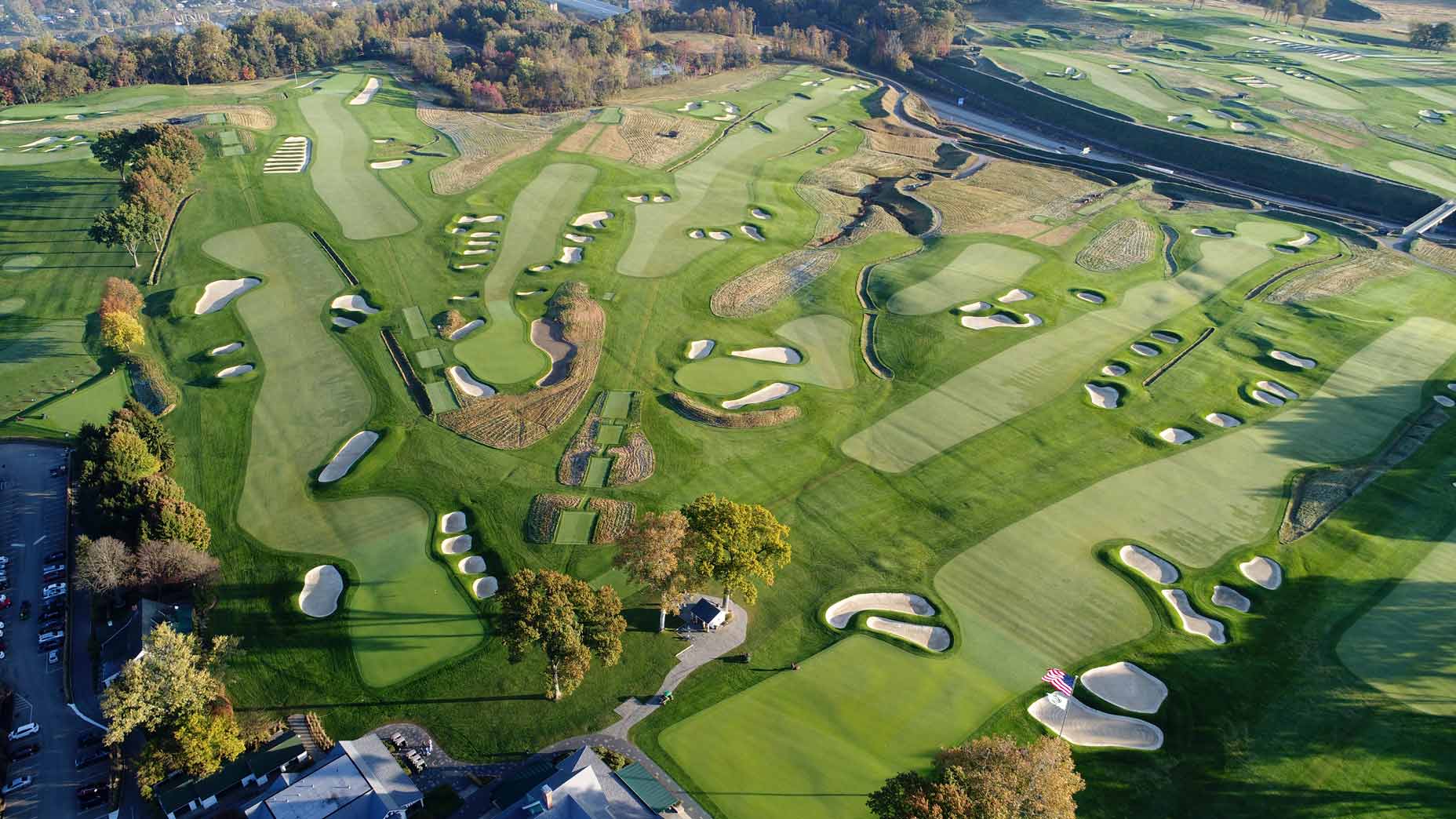
Oakmont's severe greens and dense bunkering have tested U.S. Open fields for more than a century. A player can hit the fairway and still face an exacting next shot.
Read the full story →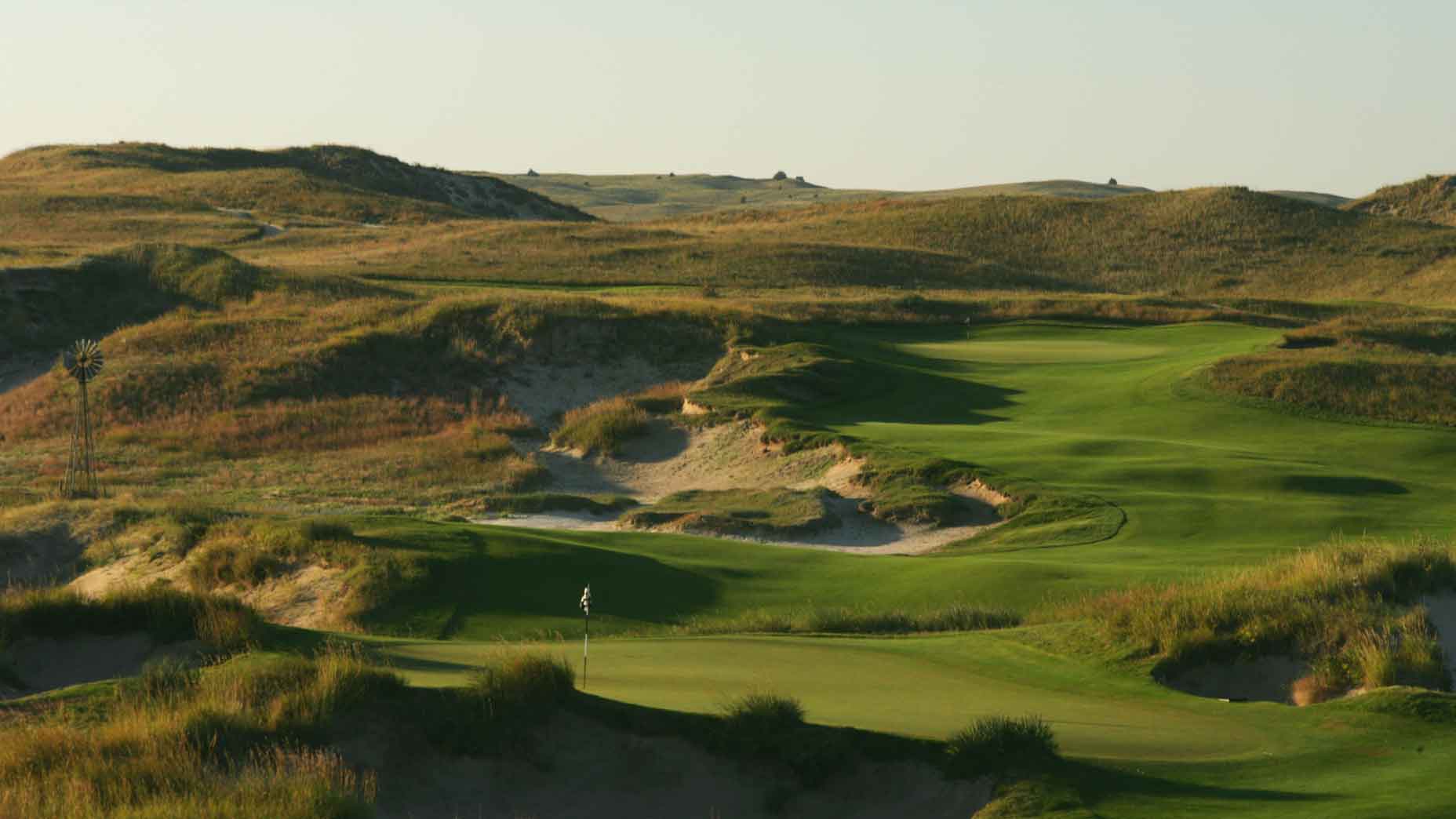
Coore and Crenshaw found golf holes in Nebraska's natural dunes with remarkably little earthmoving. The land's ripples and wind do much of the design work.
Read the full story →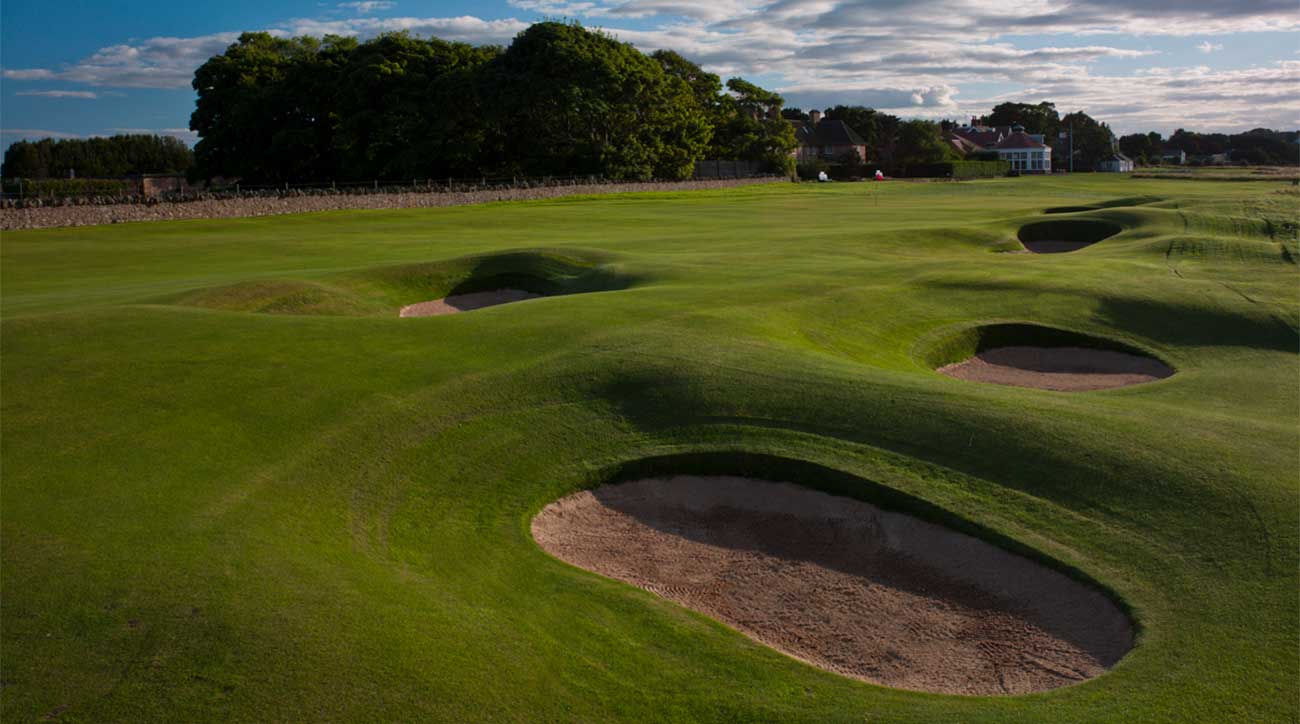
Muirfield's two loops change the wind's angle throughout a round. Jack Nicklaus admired the links enough to name his own Ohio club Muirfield Village.
Read the full story →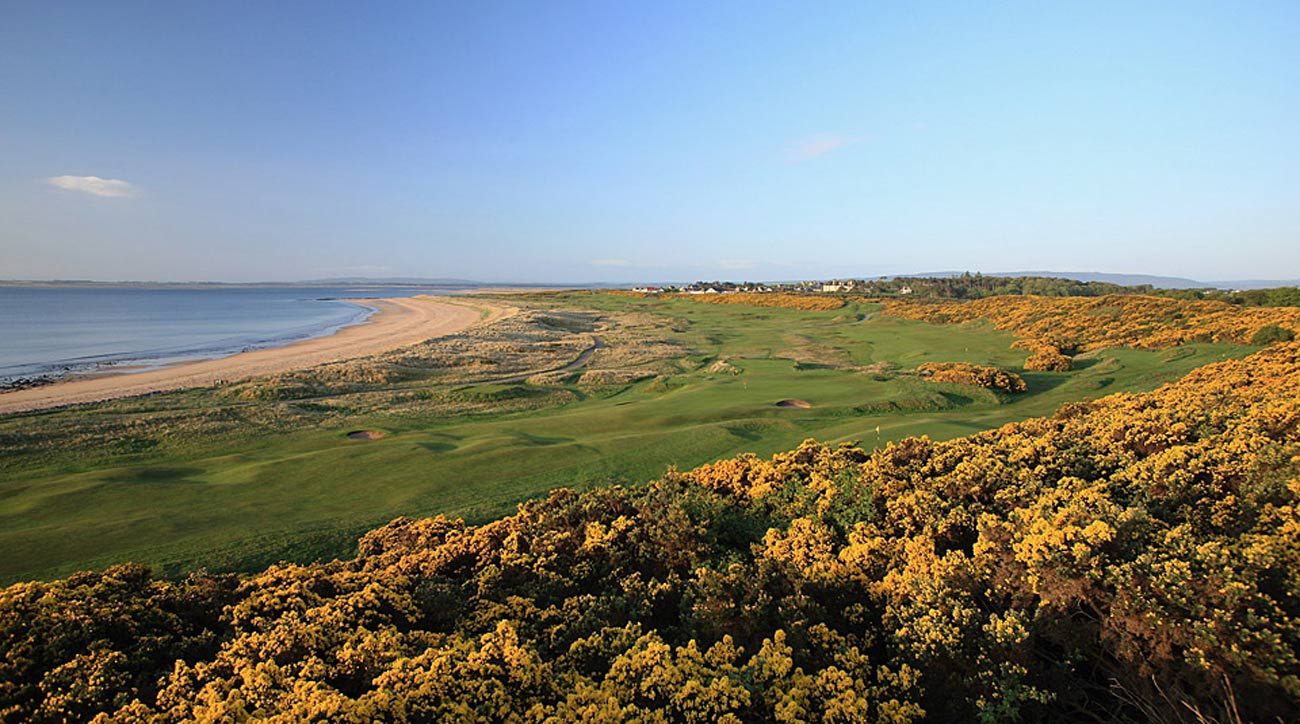
Donald Ross grew up around Dornoch's raised greens and firm turf. The remote Highland links later influenced the way he designed courses in America.
Read the full story →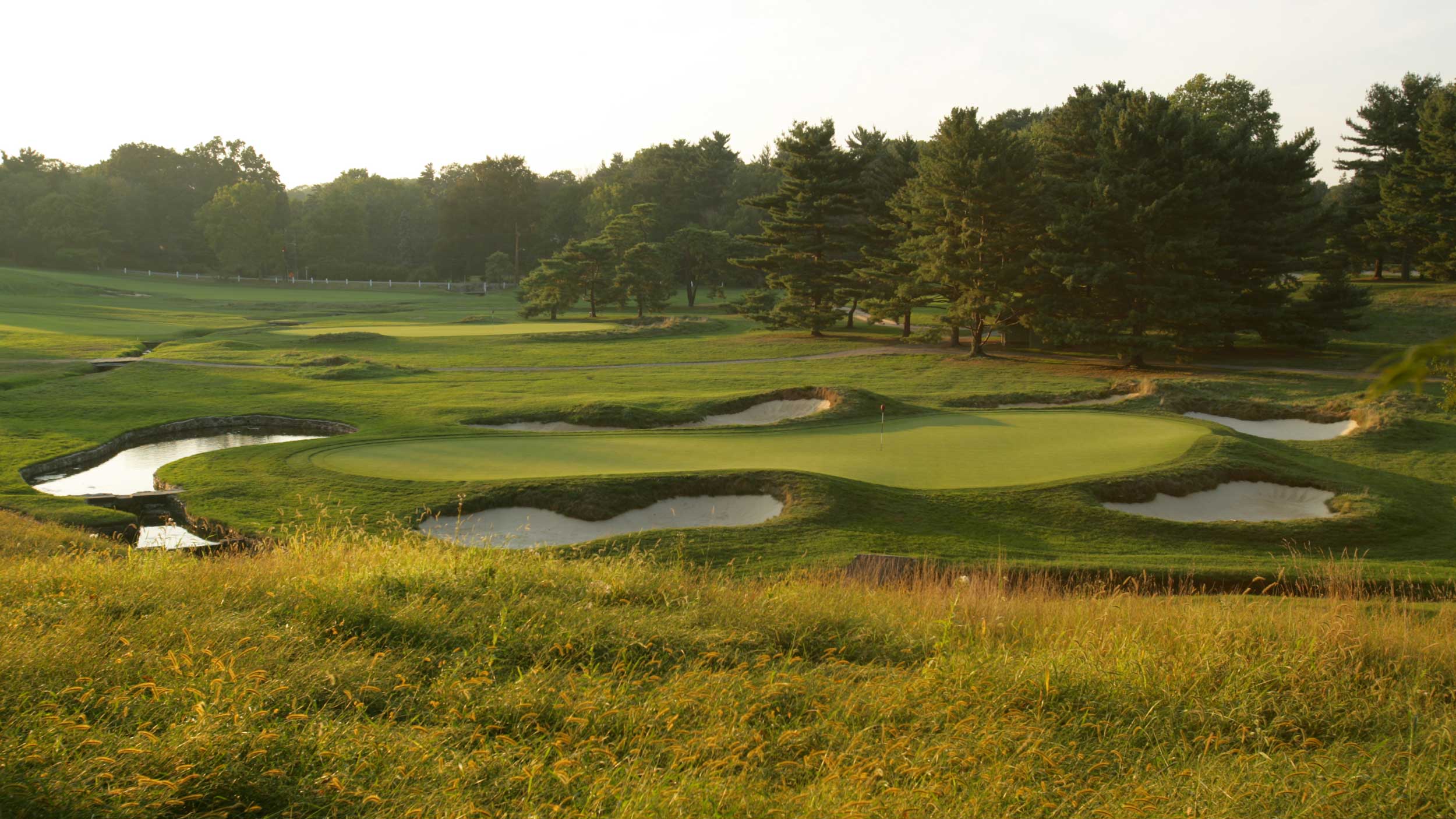
Merion packs enormous variety into compact ground near Philadelphia. Bobby Jones completed his 1930 Grand Slam here, and Ben Hogan's 1950 comeback became another part of its lore.
Read the full story →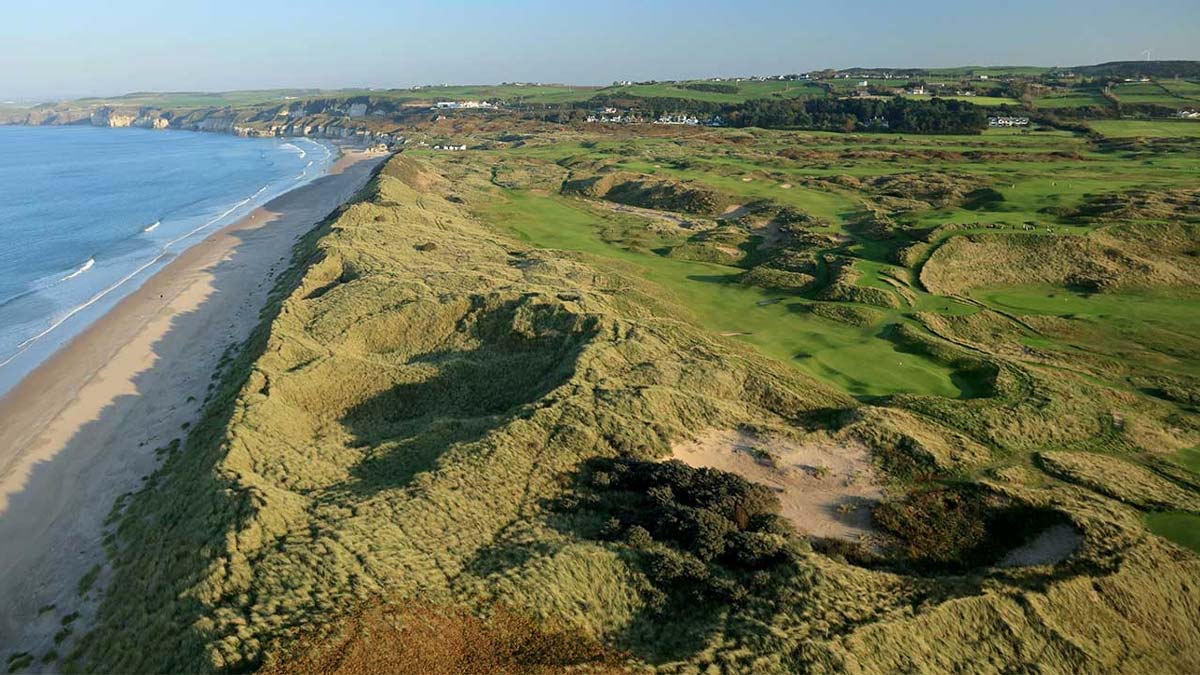
The Dunluce Links carries H.S. Colt's routing across Northern Ireland's dunes. Its return to The Open in 2019 introduced a new generation to Portrush.
Read the full story →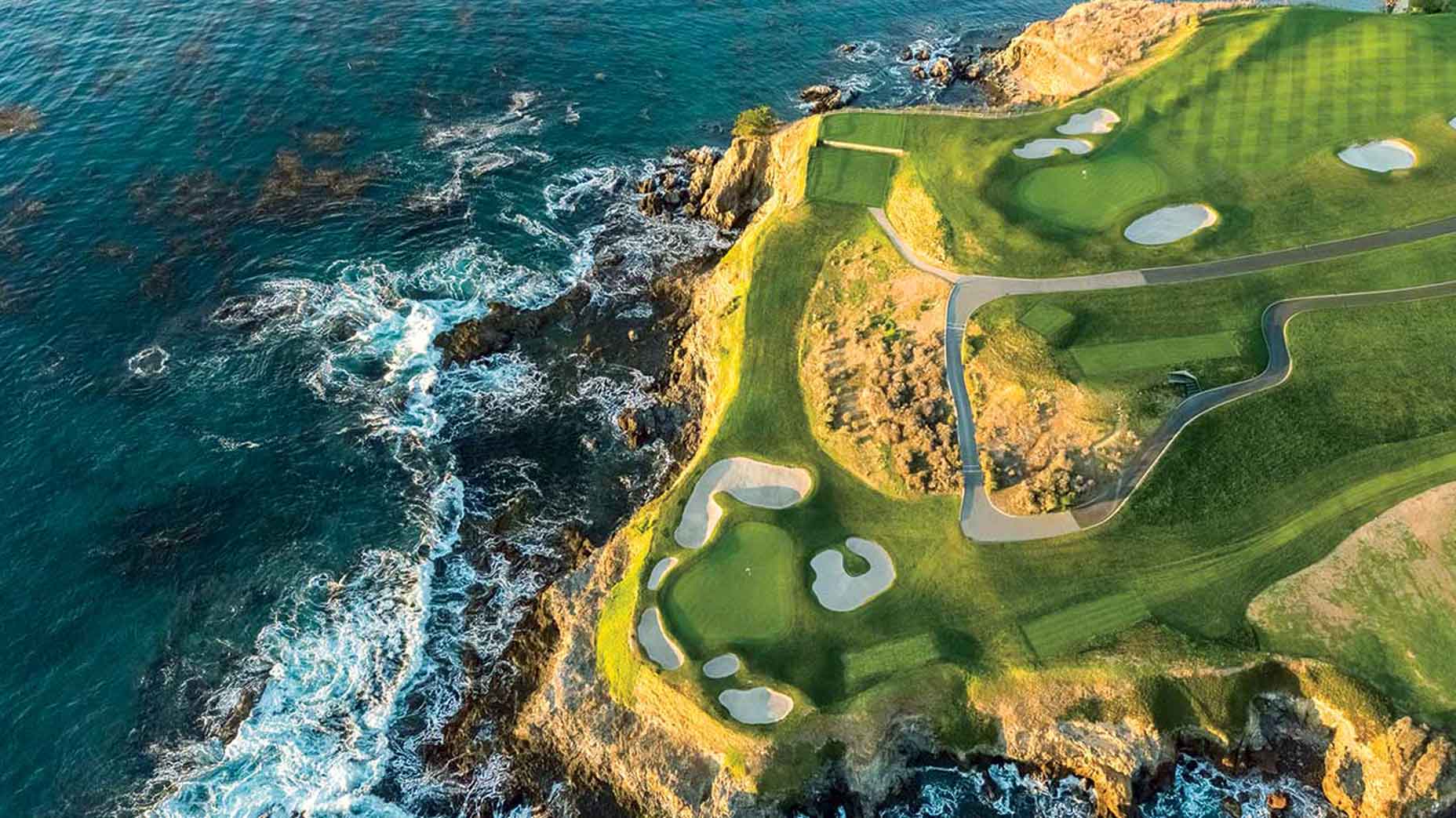
Pebble Beach repeatedly brings golfers back to the edge of the Pacific. Its small greens and exposed coastline have framed some of the U.S. Open's greatest finishes.
Read the full story →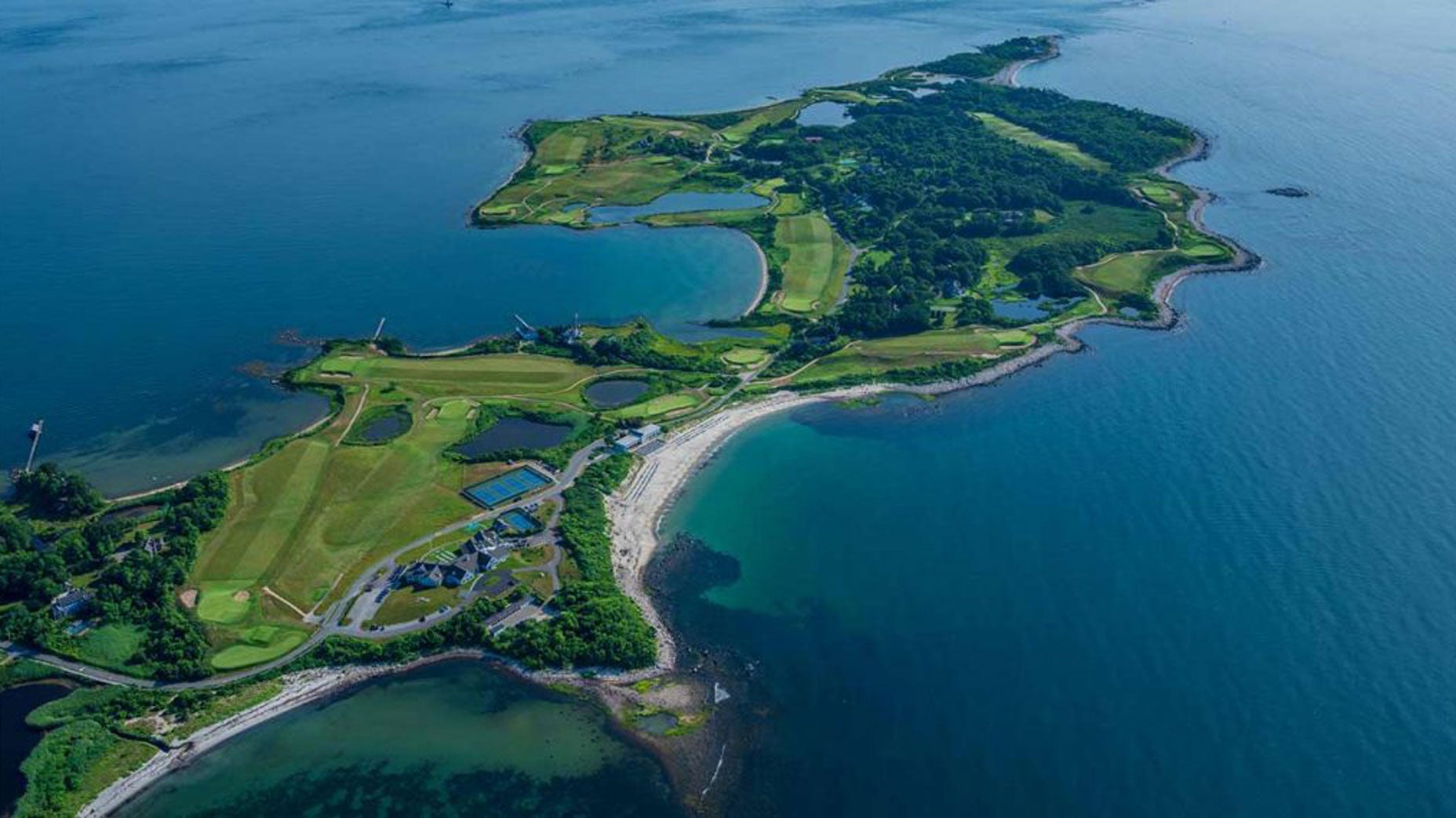
Seth Raynor placed familiar template ideas on an island landscape overlooking Long Island Sound. Water views and bold green shapes give Fishers Island a singular identity.
Read the full story →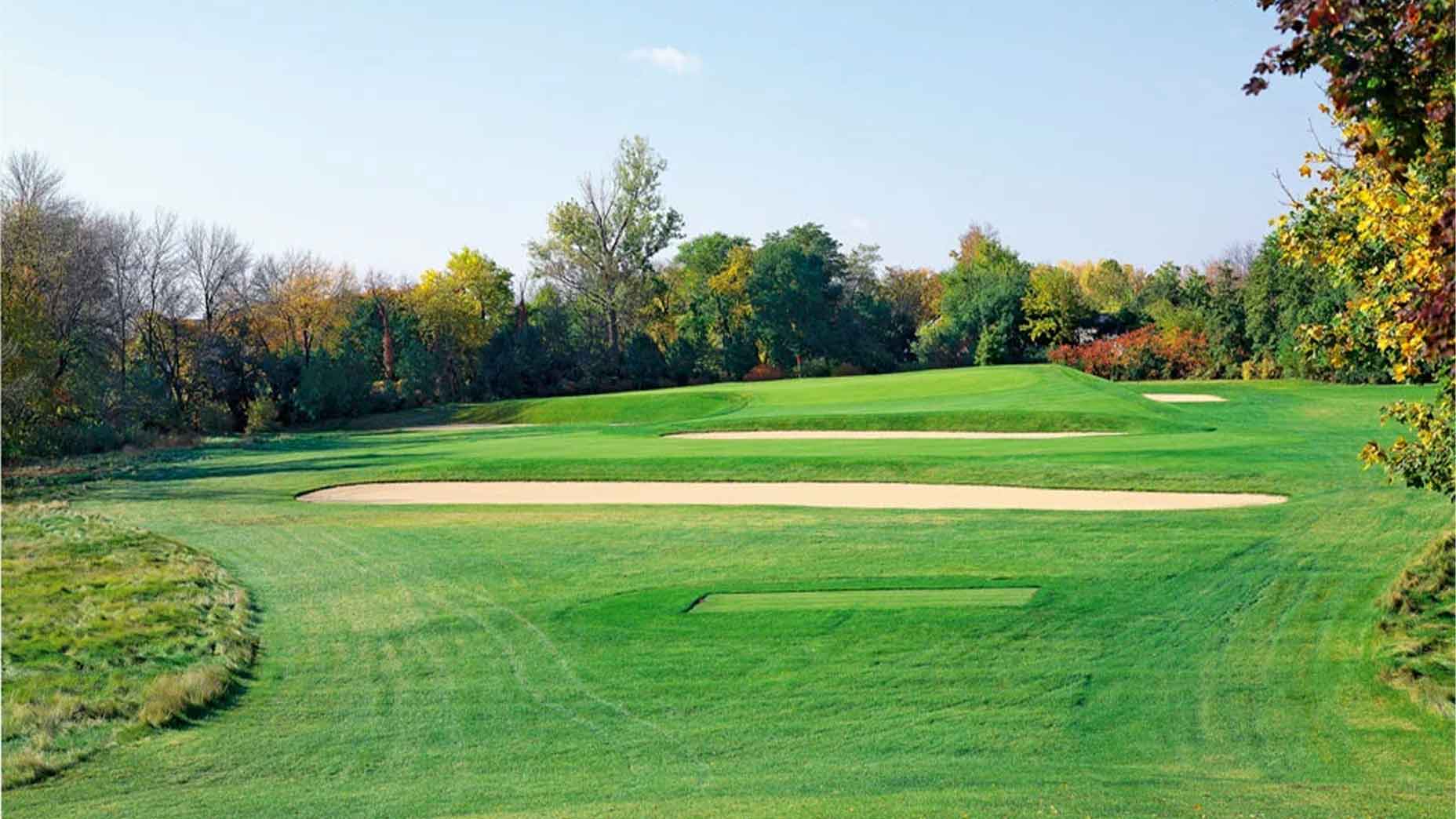
A USGA founding club, Chicago helped establish 18-hole golf in the United States. Its Macdonald and Raynor heritage still runs through the design.
Read the full story →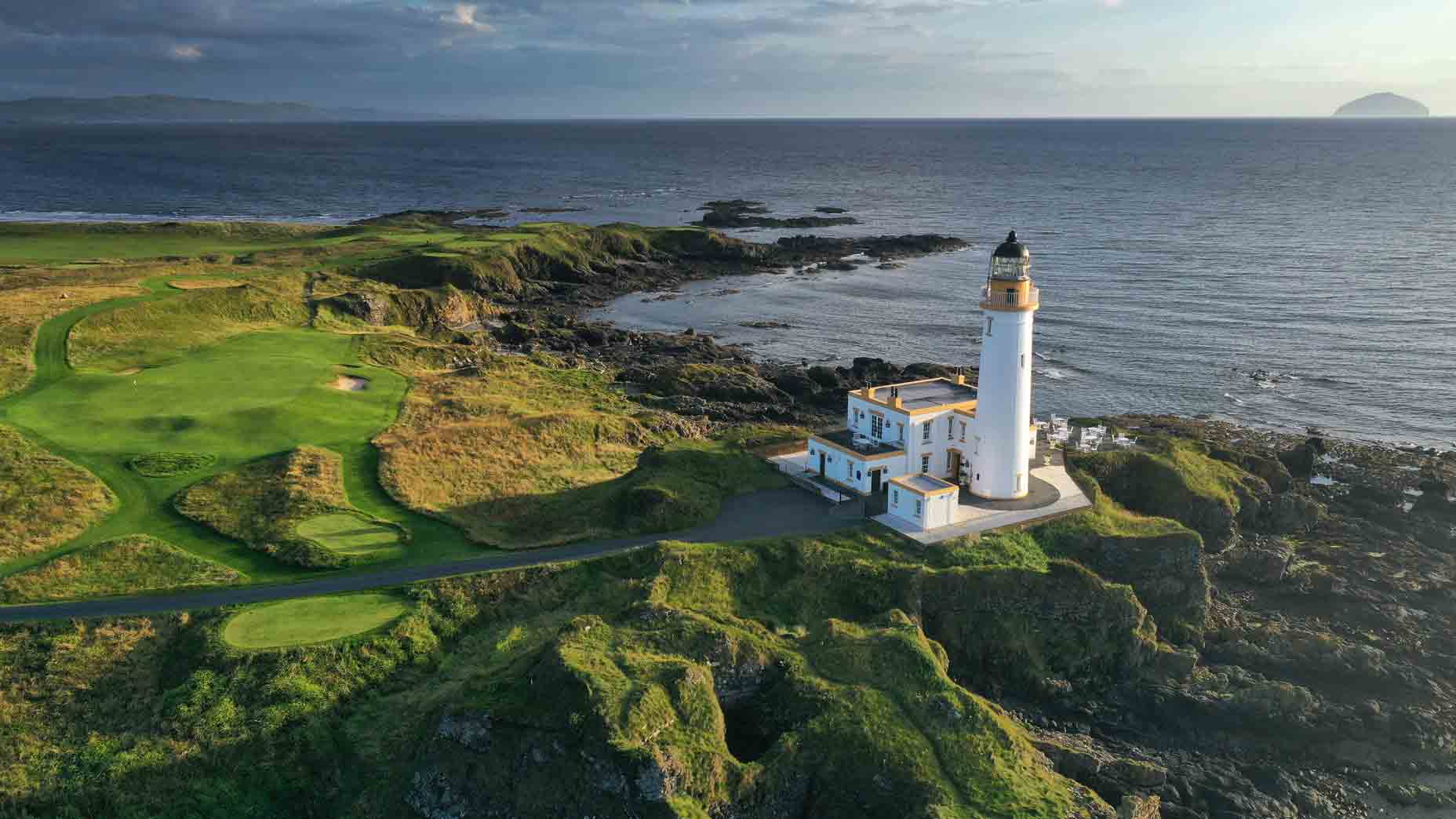
Turnberry's Ailsa Course has survived wartime use and repeated reinvention. The Duel in the Sun between Watson and Nicklaus in 1977 fixed its coastal holes in golf memory.
Read the full story →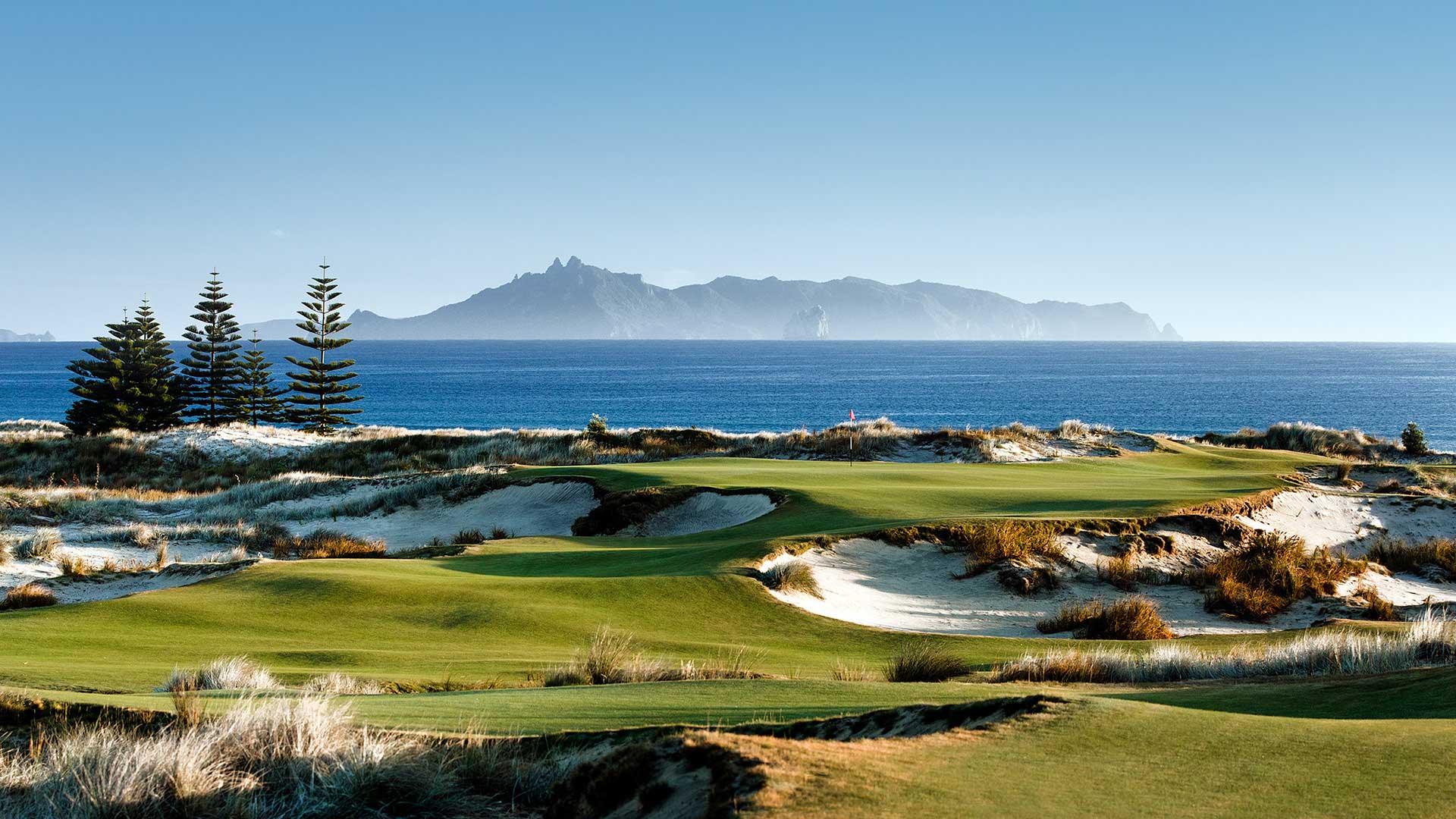
On New Zealand's Pacific dunes, Tara Iti pairs wide fairways with exacting approaches. The wind can make the same route feel entirely different the next day.
Read the full story →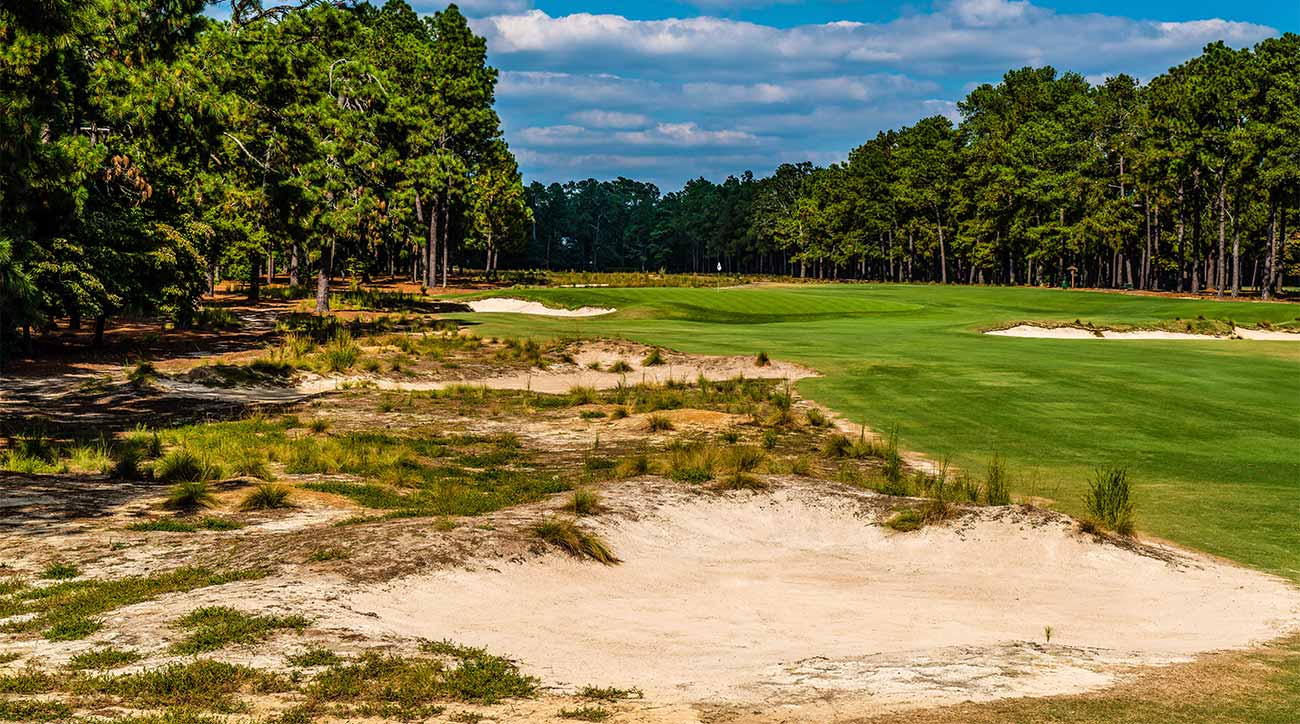
Donald Ross's crowned greens make Pinehurst No. 2 a demanding place to miss. Its restored sandy edges brought native ground back into championship golf.
Read the full story →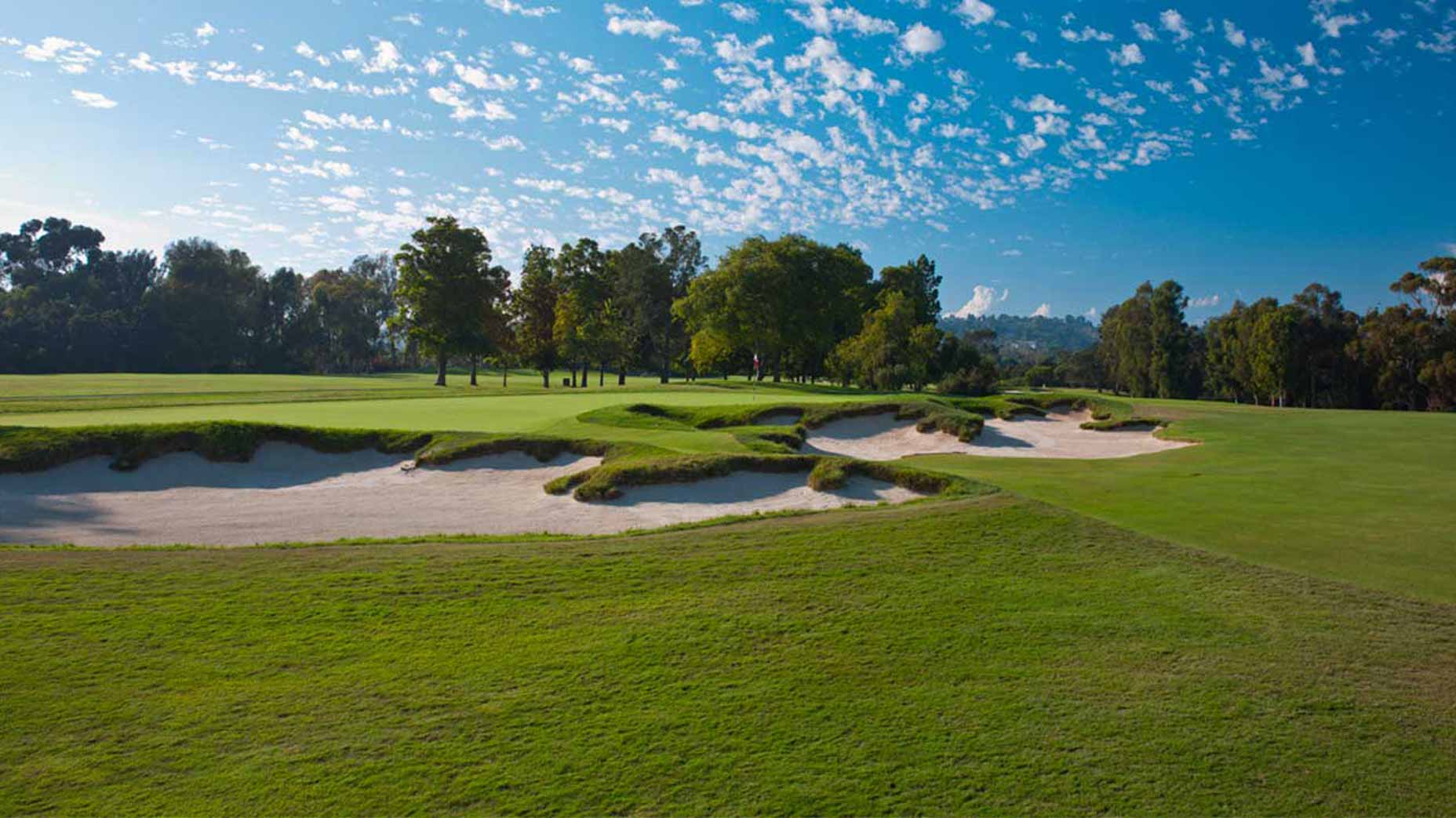
George Thomas used a natural barranca and strategic bunkers on Los Angeles Country Club's North Course. A restoration reopened its playing angles before the 2023 U.S. Open.
Read the full story →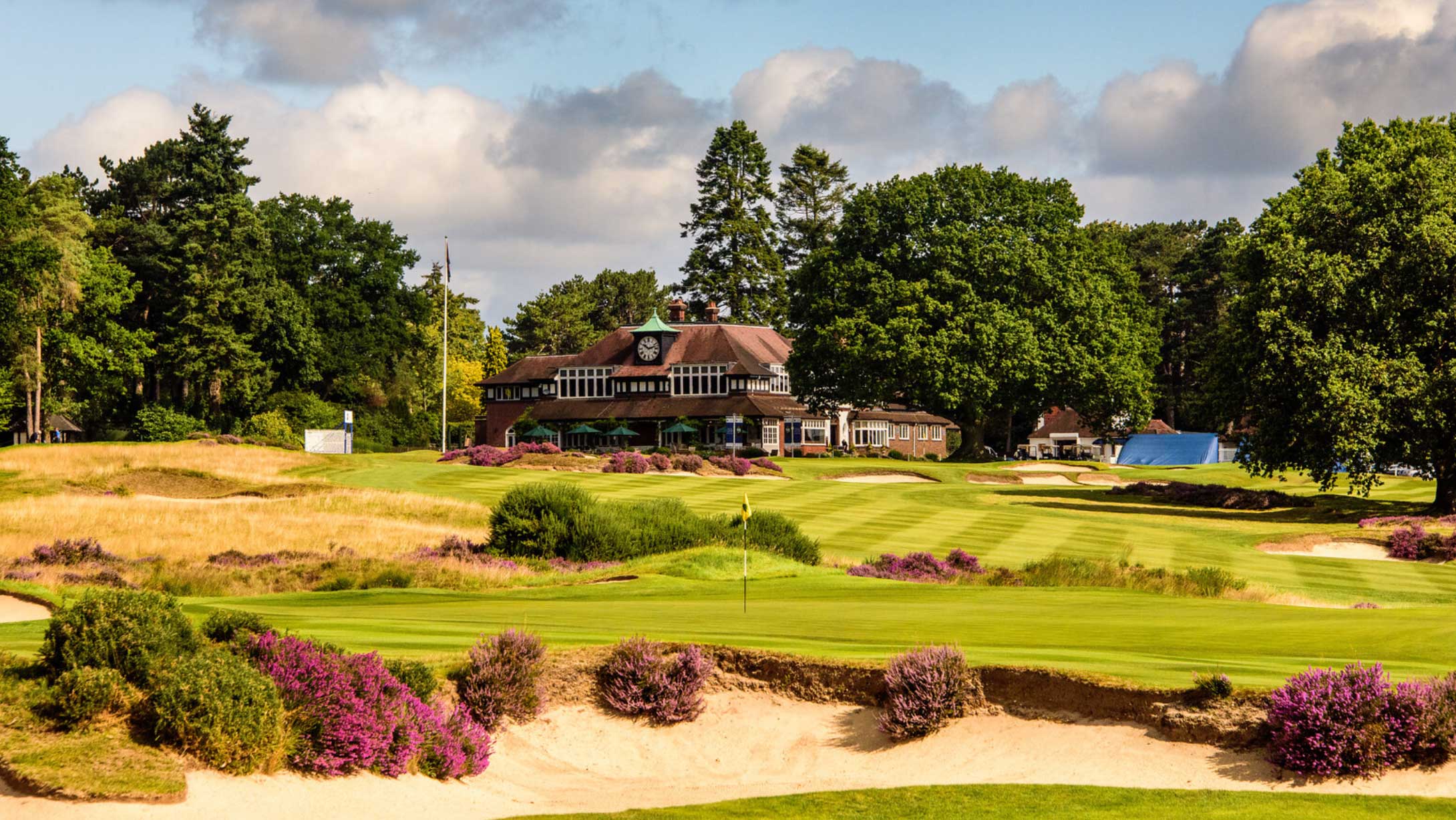
One of England's pioneering inland courses, Sunningdale Old translated links ideas into heathland. Heather, pines and sandy ground create a very different kind of classic.
Read the full story →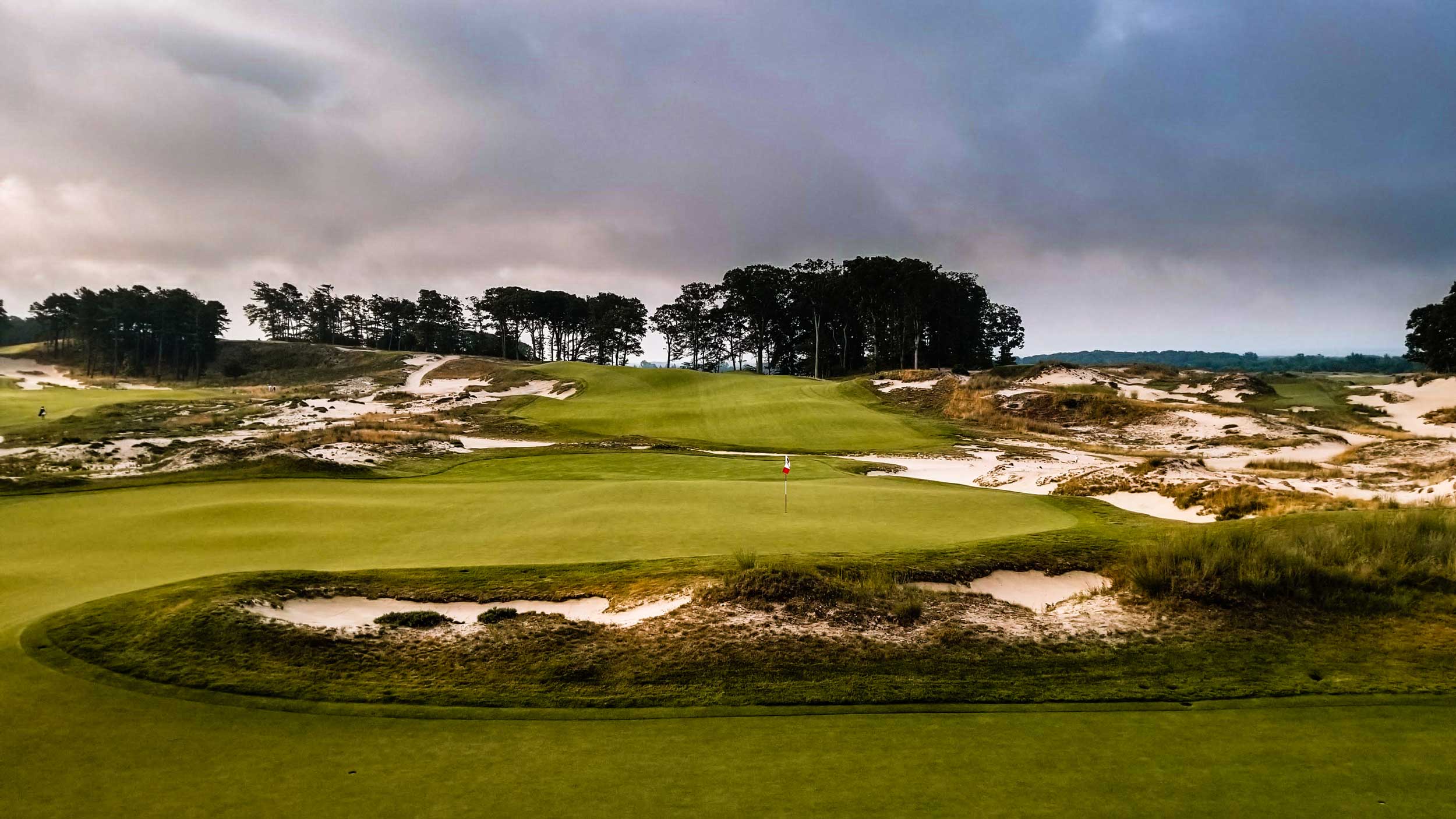
Coore and Crenshaw carried Friar's Head through meadows and dunes toward Long Island Sound. The changing terrain gives its holes a restless rhythm.
Read the full story →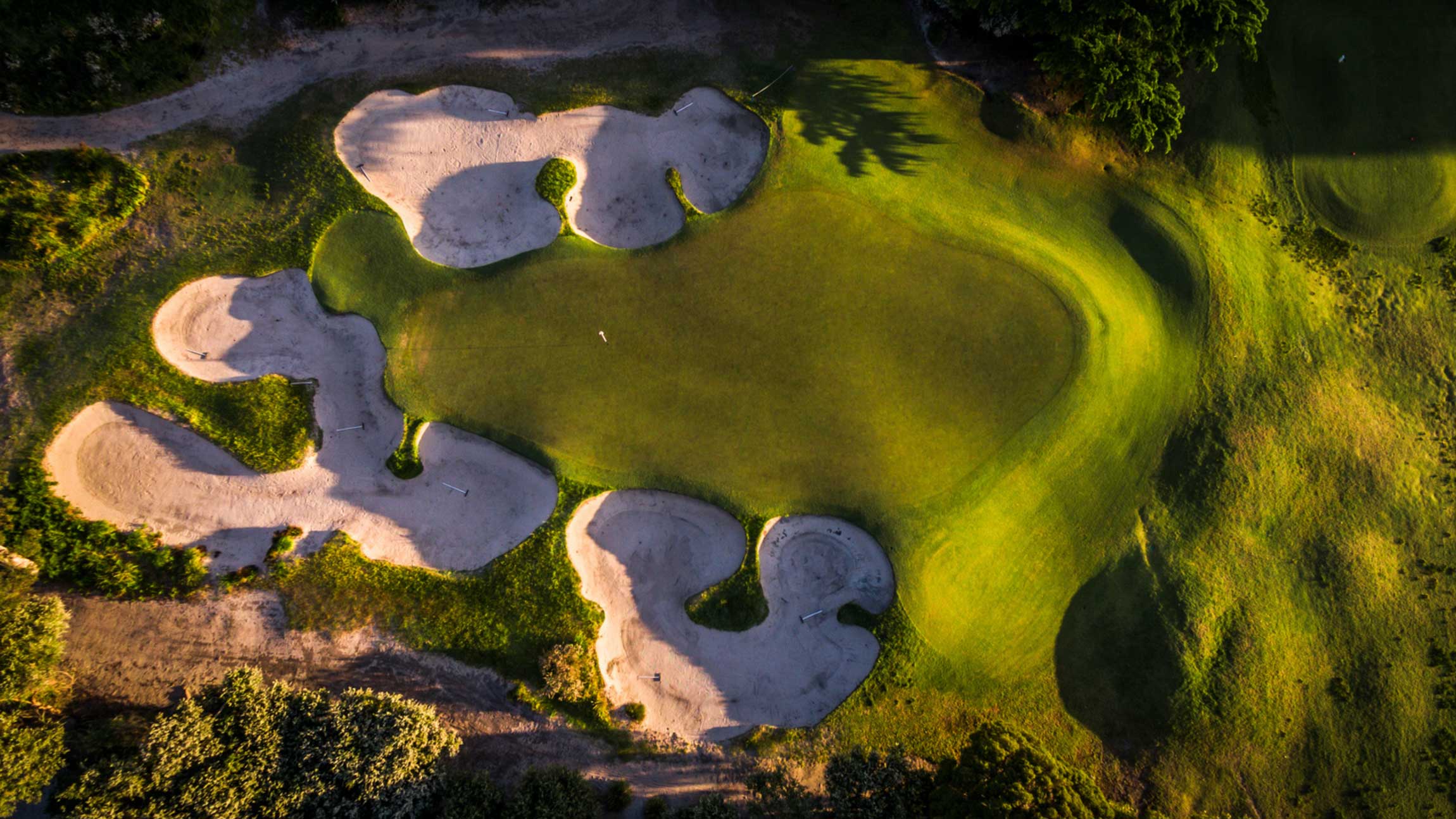
Kingston Heath makes a compact site feel expansive through its green placement and bunkers. Alister MacKenzie's contributions strengthened an Australian Sandbelt classic.
Read the full story →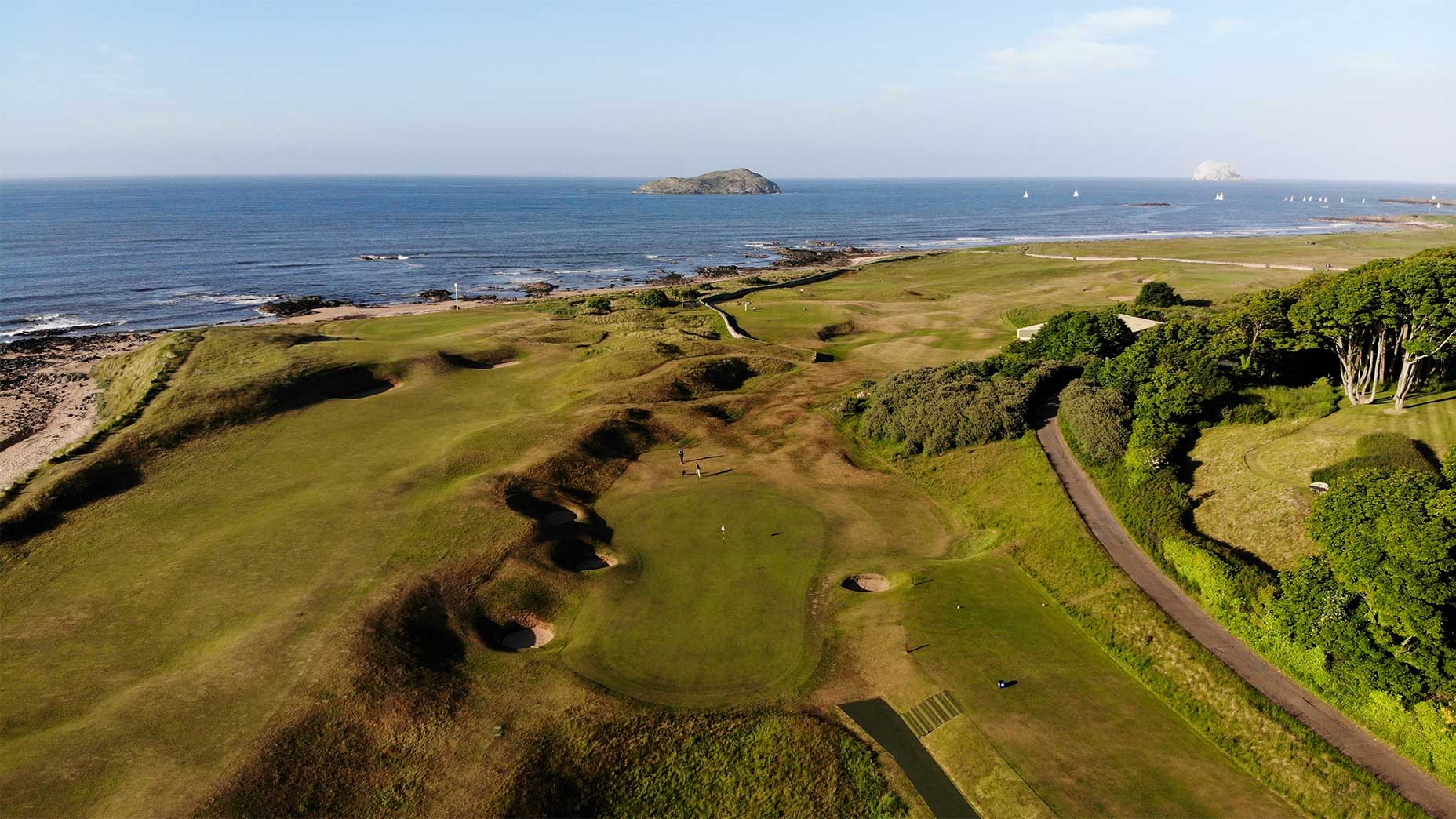
North Berwick's Redan green became one of golf architecture's most copied ideas. Its old links celebrates blind shots, walls and playful unpredictability.
Read the full story →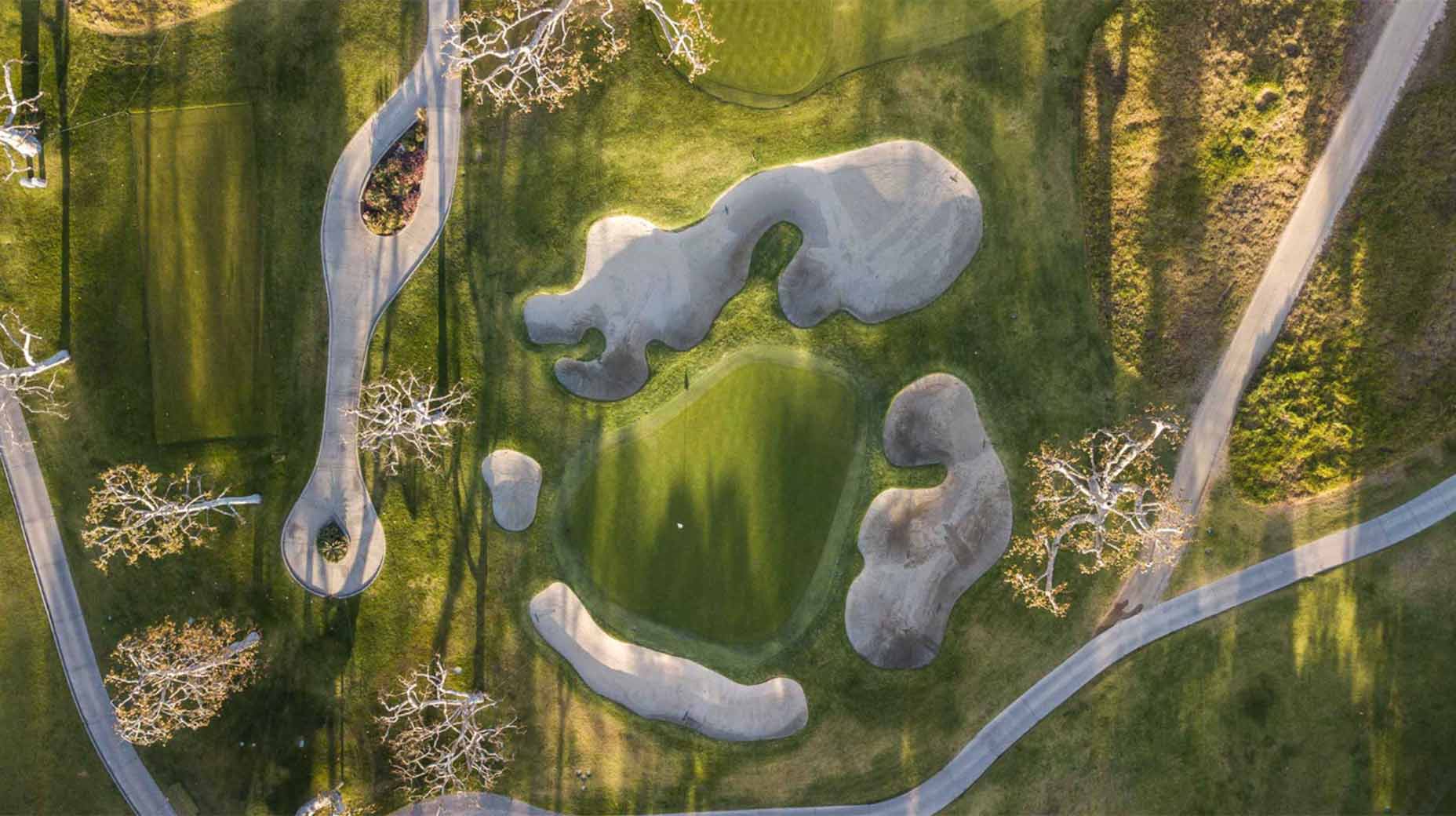
George Thomas transformed a narrow canyon into Riviera's intricate test. The par-4 10th still invites golfers to attack, then punishes the wrong miss.
Read the full story →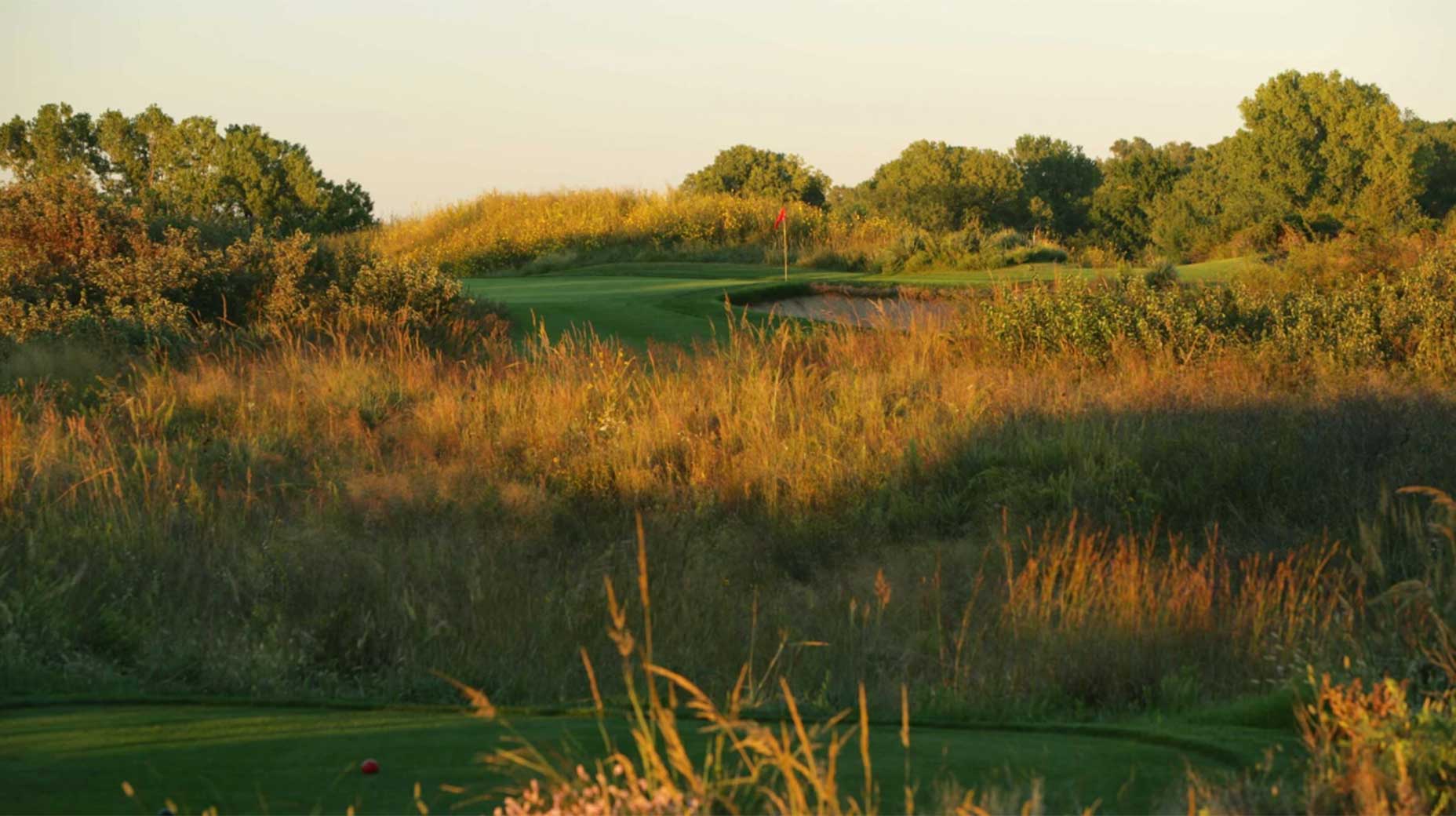
Perry Maxwell saw an abundance of potential holes in Kansas sandhills. Prairie Dunes brings links-like movement to a landscape far from the sea.
Read the full story →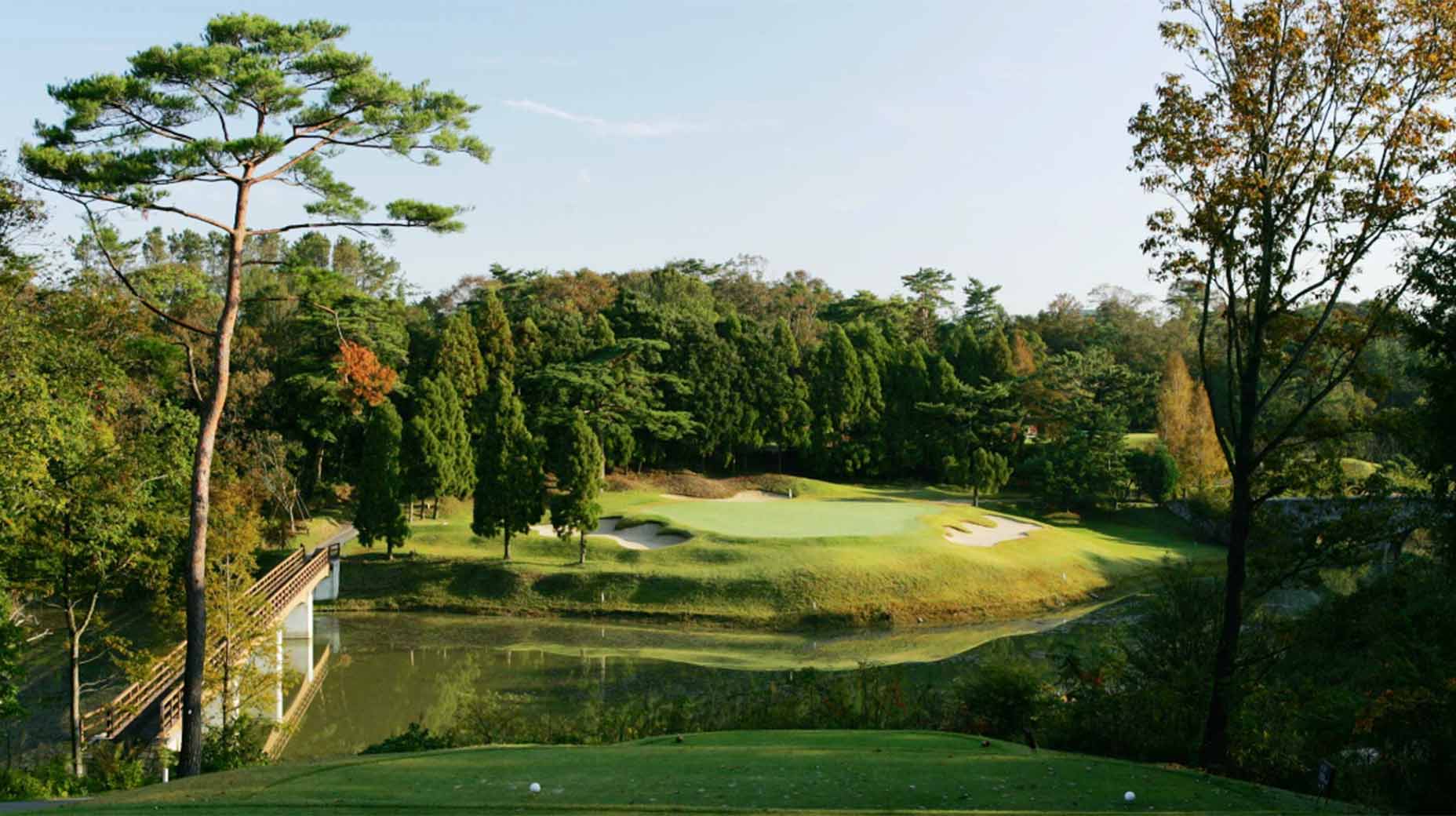
C.H. Alison introduced dramatic bunkering to Hirono in the 1930s. His work helped shape generations of Japanese course design.
Read the full story →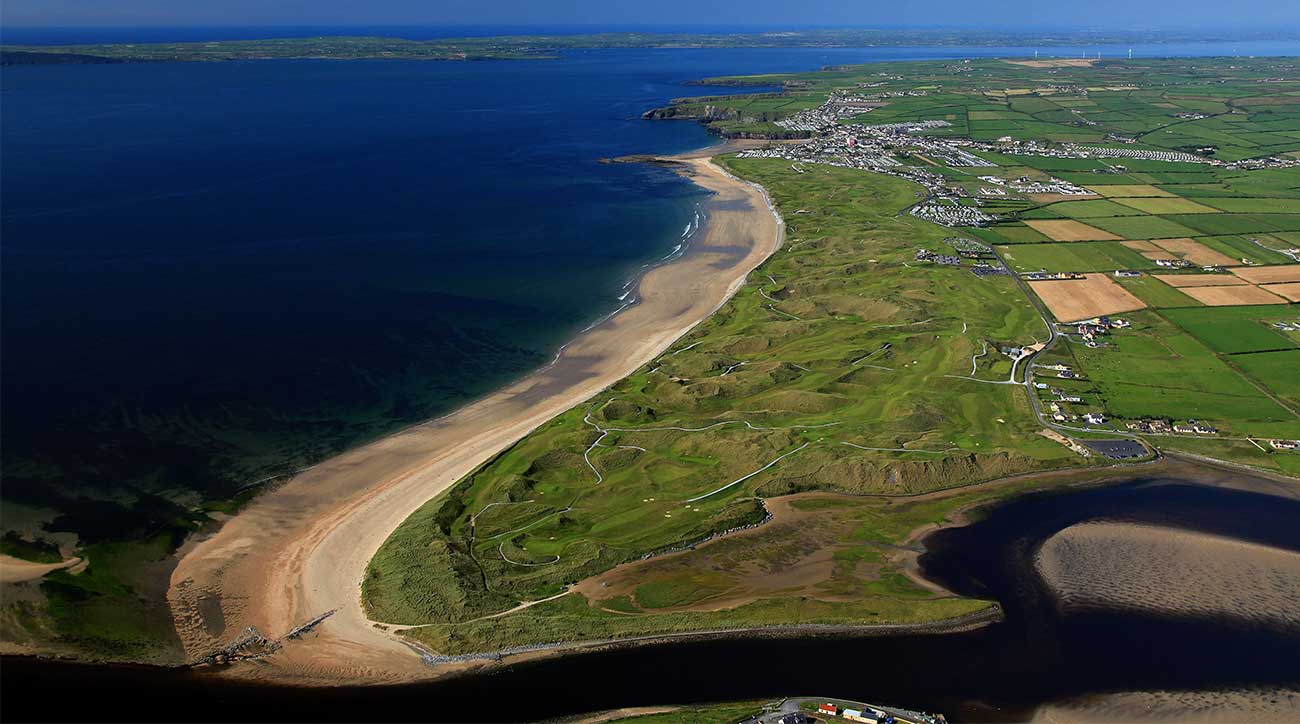
The Atlantic and giant dunes hem in Ballybunion's Old Course. Players must trust the ground game as fairways twist between the sandhills.
Read the full story →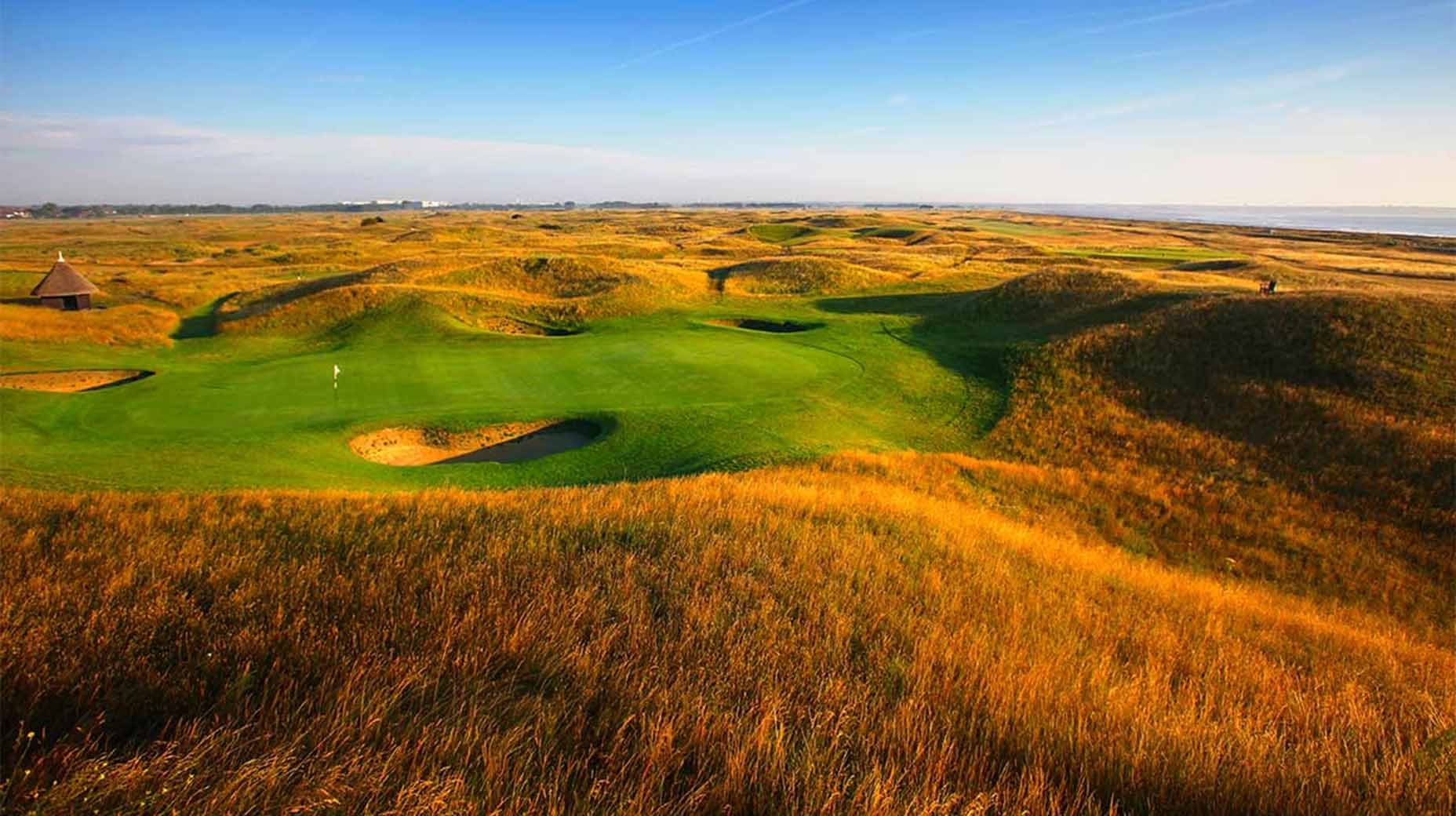
The Open at Sandwich is a study in awkward lies and restless dunes. Royal St George's asks golfers to adapt rather than expect a perfectly level stance.
Read the full story →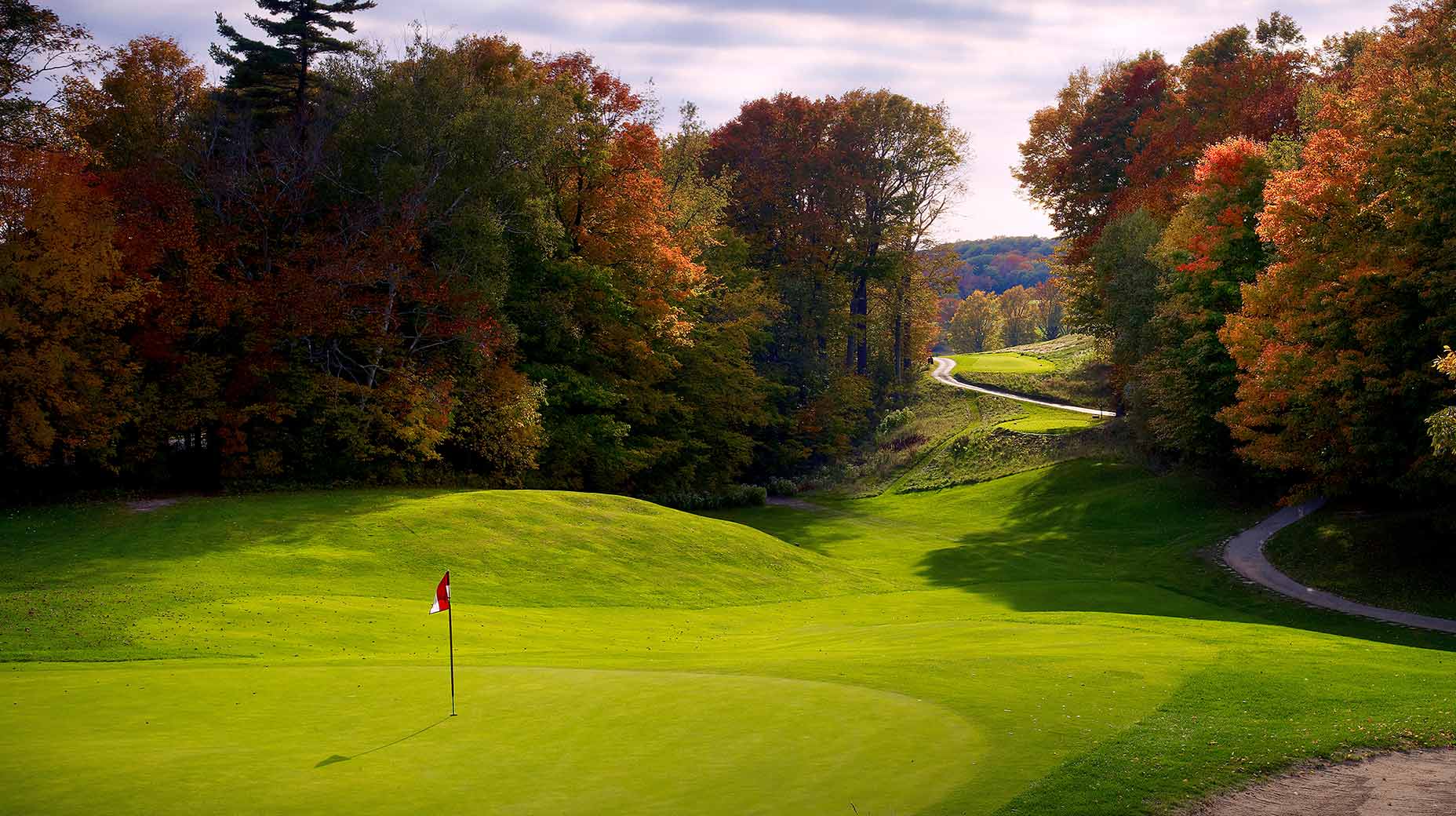
Alister MacKenzie and Perry Maxwell used Lake Michigan's breezes and uneven land to shape Crystal Downs. Its remote setting adds to the sense of discovery.
Read the full story →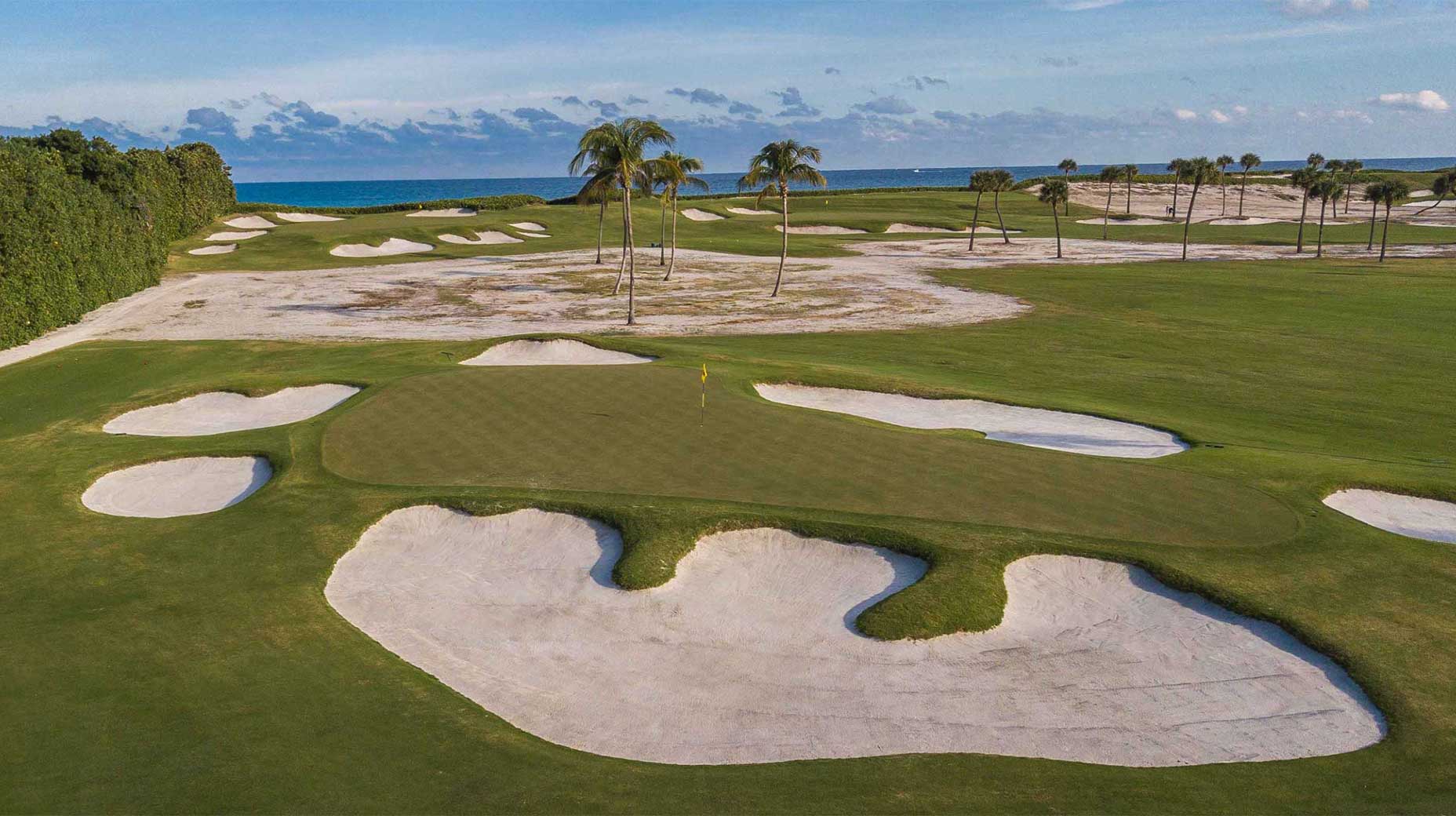
Donald Ross threaded Seminole's holes between dune ridges beside the Atlantic. The diagonal lines of play keep golfers thinking in the wind.
Read the full story →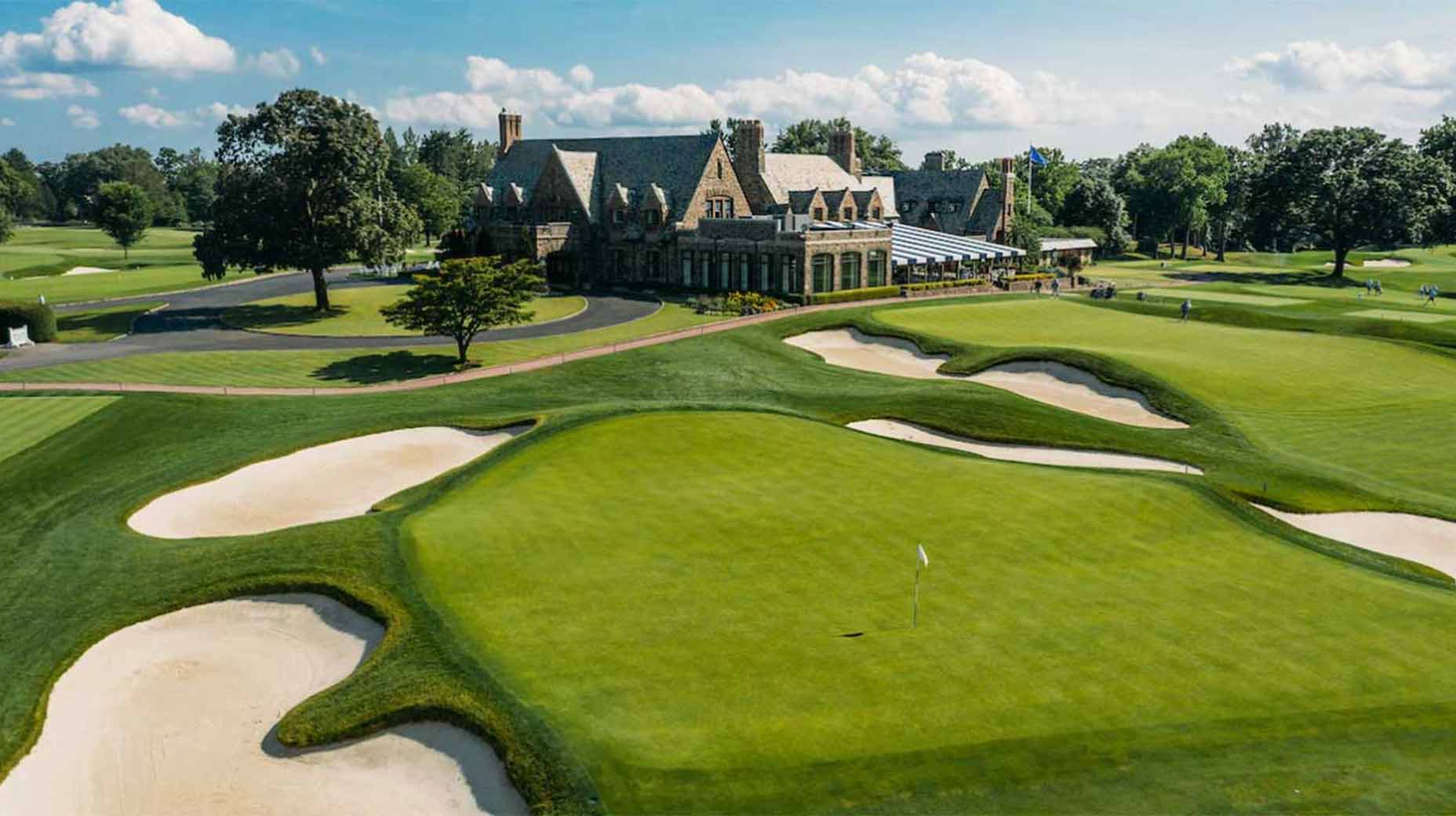
Winged Foot West earned its severe reputation in U.S. Opens, including the 1974 “Massacre.” A.W. Tillinghast's greens make precision count on every approach.
Read the full story →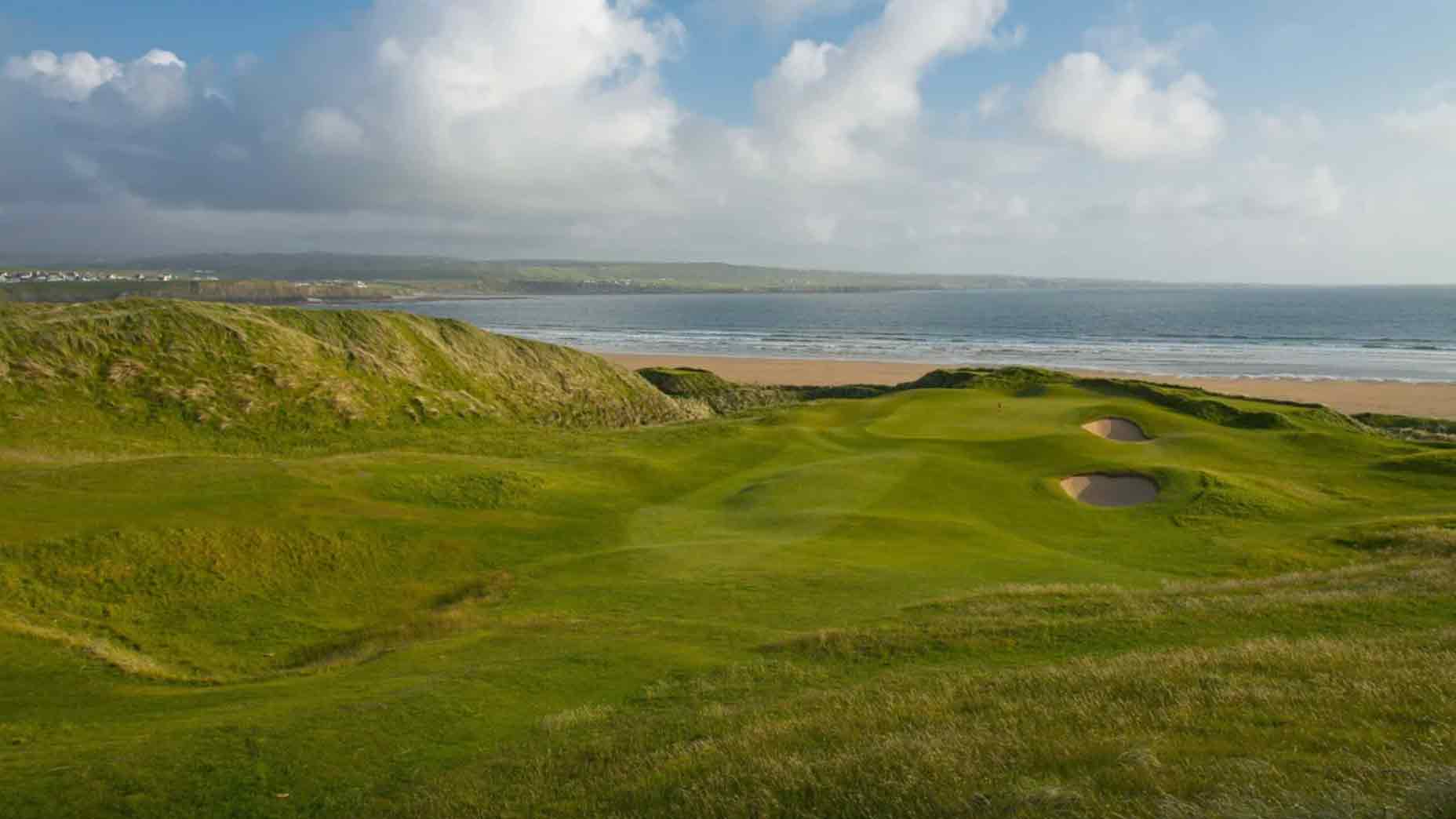
Old Tom Morris began Lahinch; Alister MacKenzie later reshaped its character. The Klondyke and Dell holes keep the links' eccentric spirit alive.
Read the full story →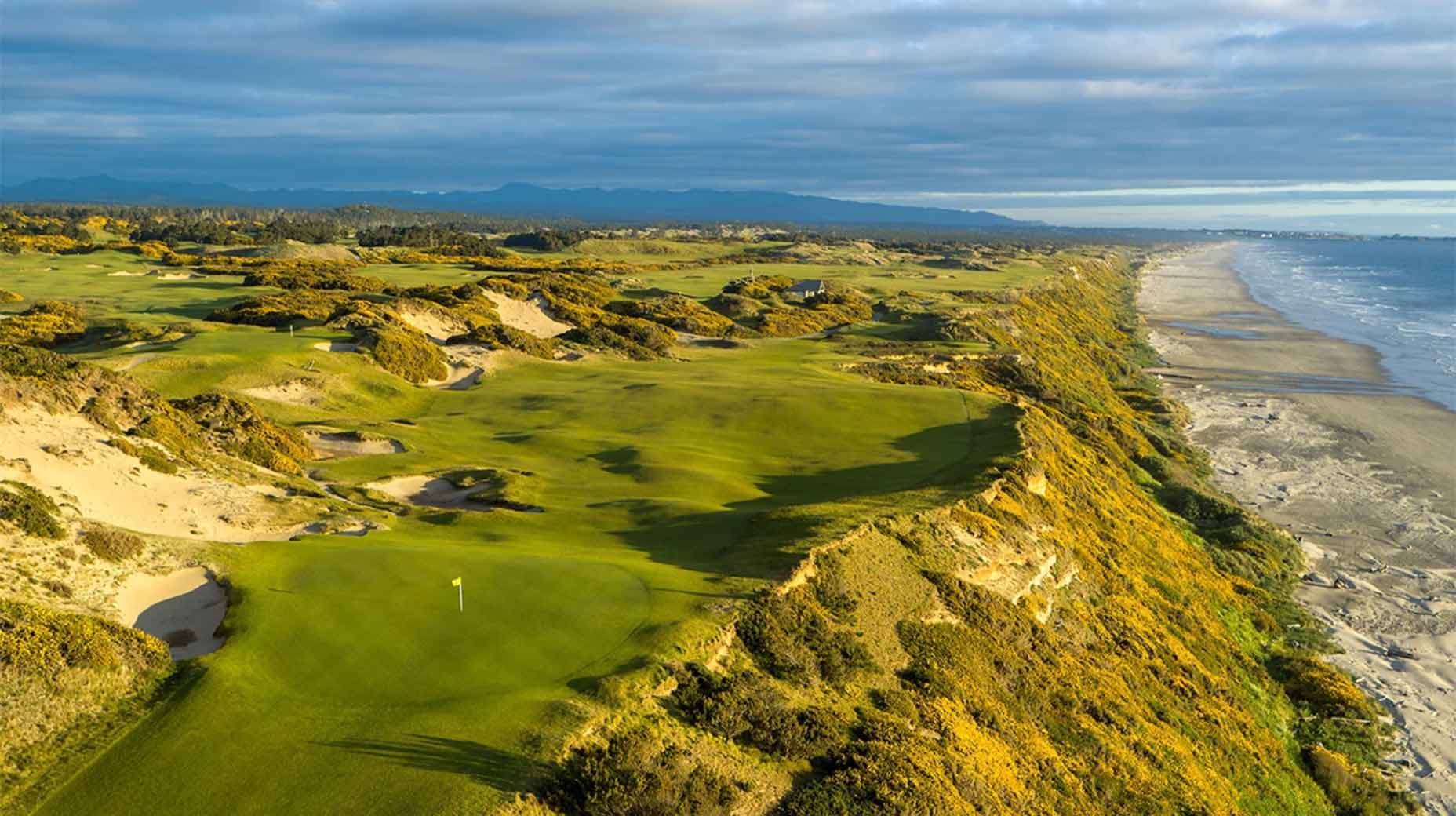
Tom Doak made Pacific Dunes a restless walk above the Oregon coast. Unusual hole sequences and wind challenge expectations of a conventional round.
Read the full story →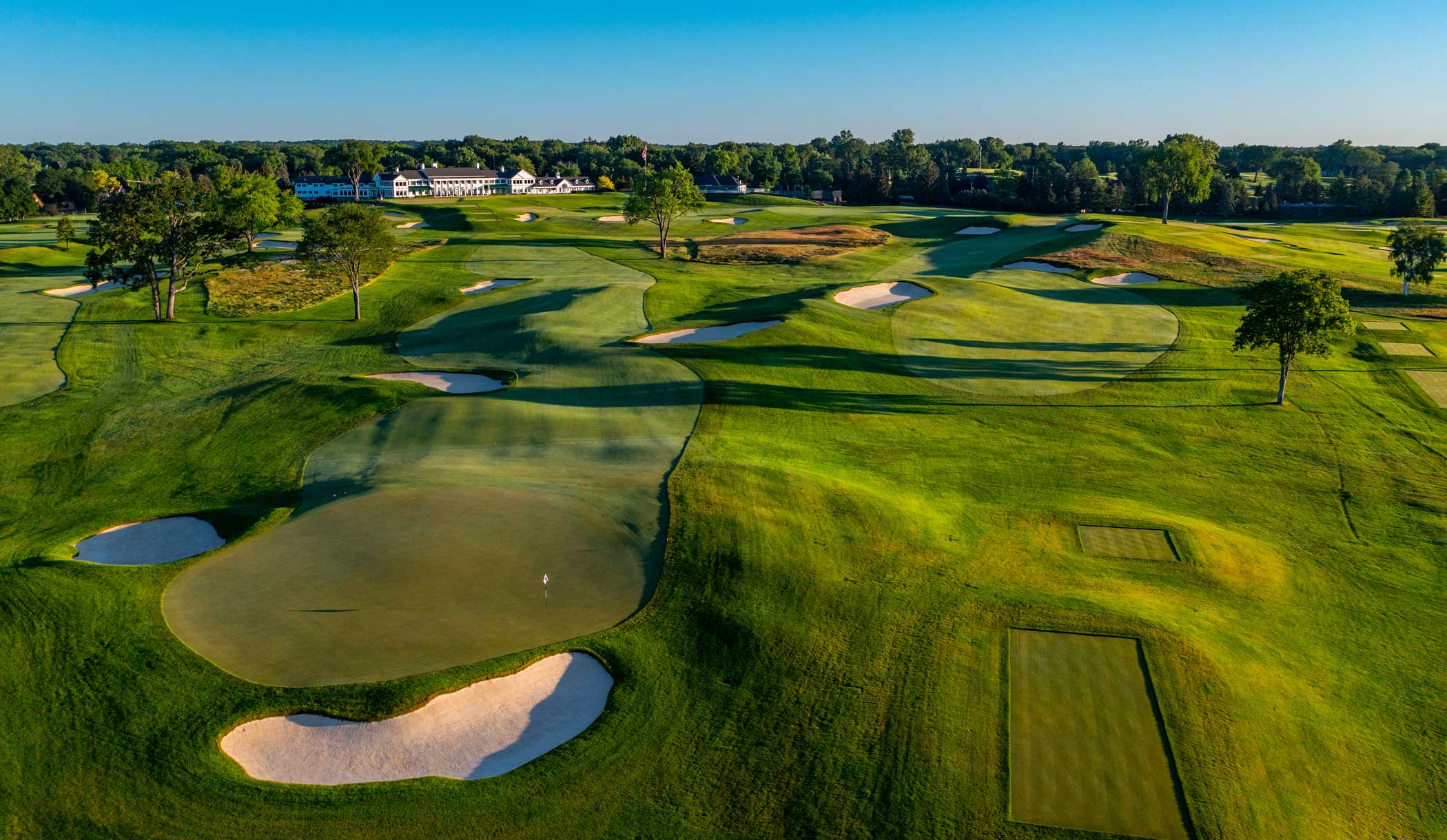
Ben Hogan called Oakland Hills a monster after winning the 1951 U.S. Open. Later restorations revived more of Donald Ross's width and strategy.
Read the full story →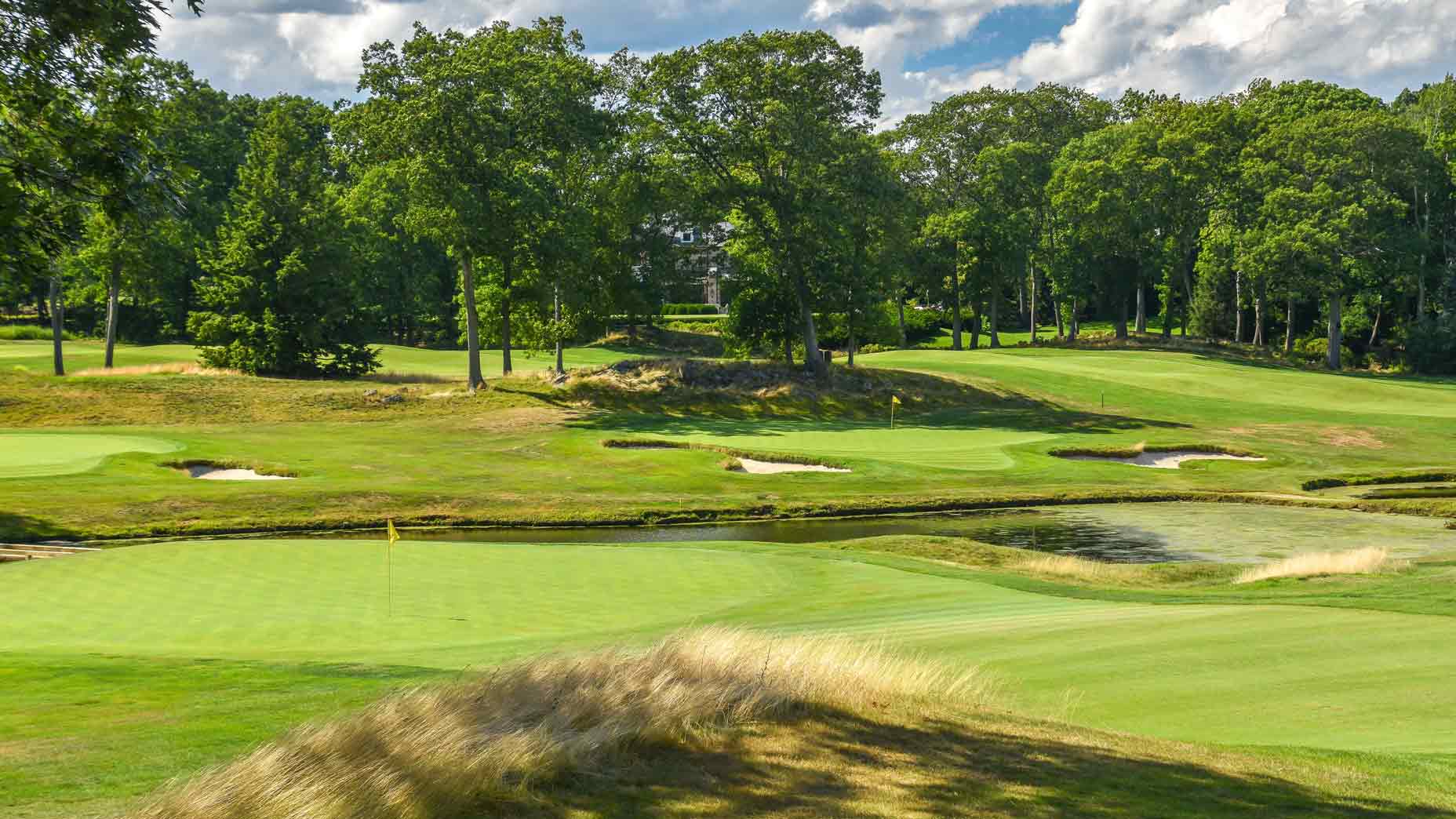
Francis Ouimet's 1913 U.S. Open victory gave The Country Club an enduring place in American golf. The Brookline course still rewards patience and placement.
Read the full story →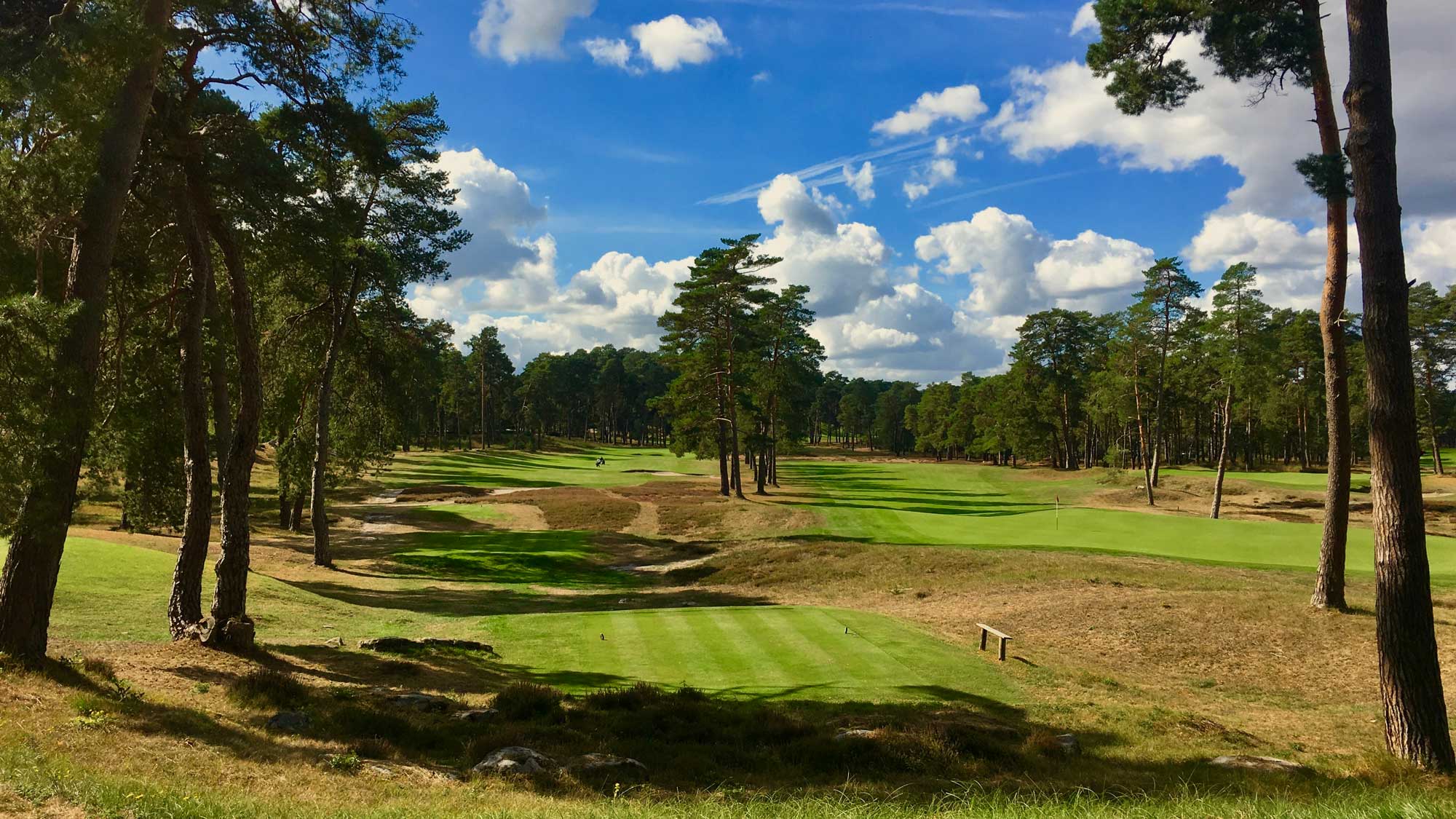
Hidden in forest north of Paris, Morfontaine offers a quieter kind of heathland golf. Its modest scale conceals intricate green complexes.
Read the full story →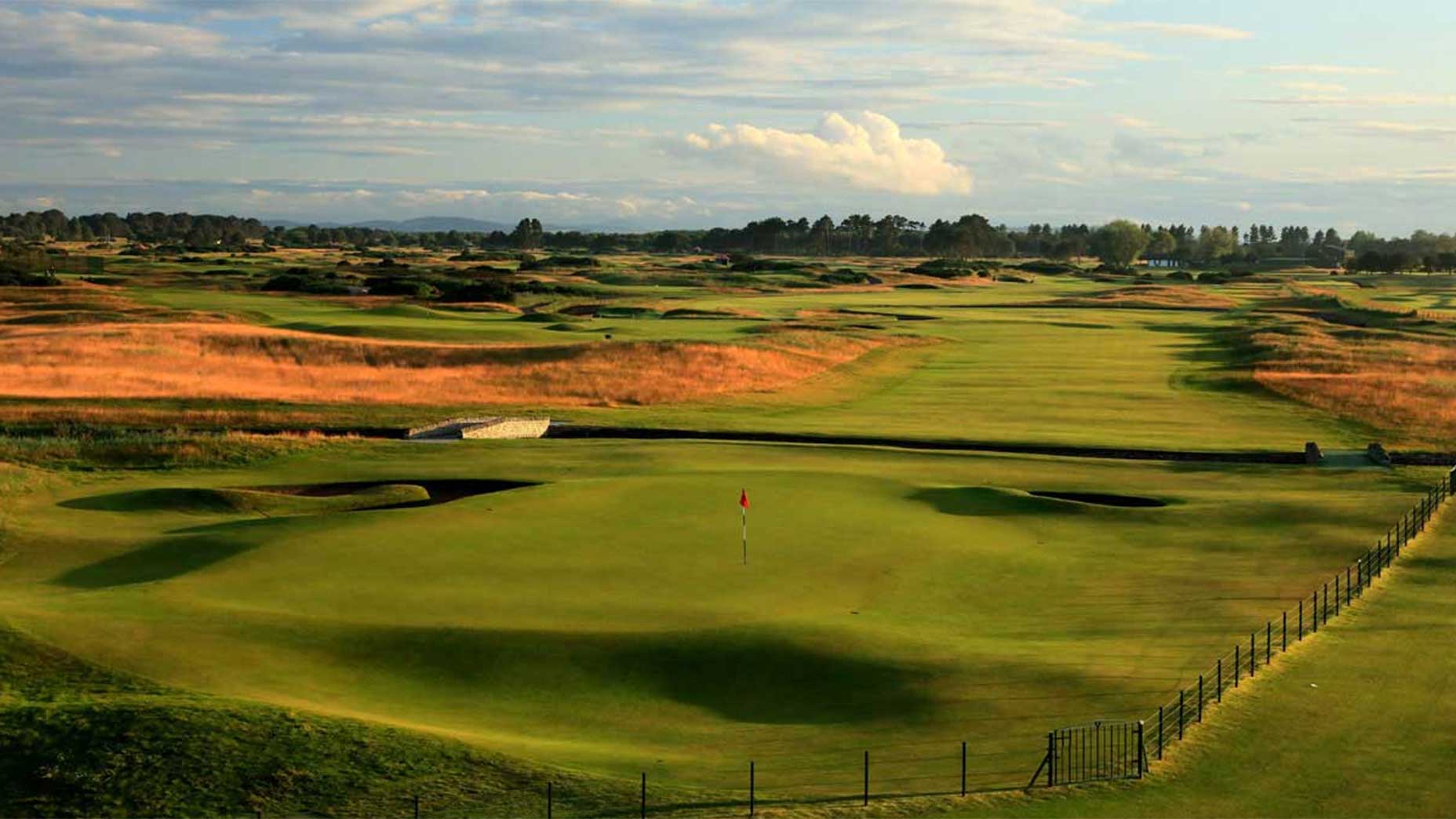
Carnoustie's Barry Burn, bunkers and relentless finish have undone countless Open hopes. Its difficulty is inseparable from the links' reputation.
Read the full story →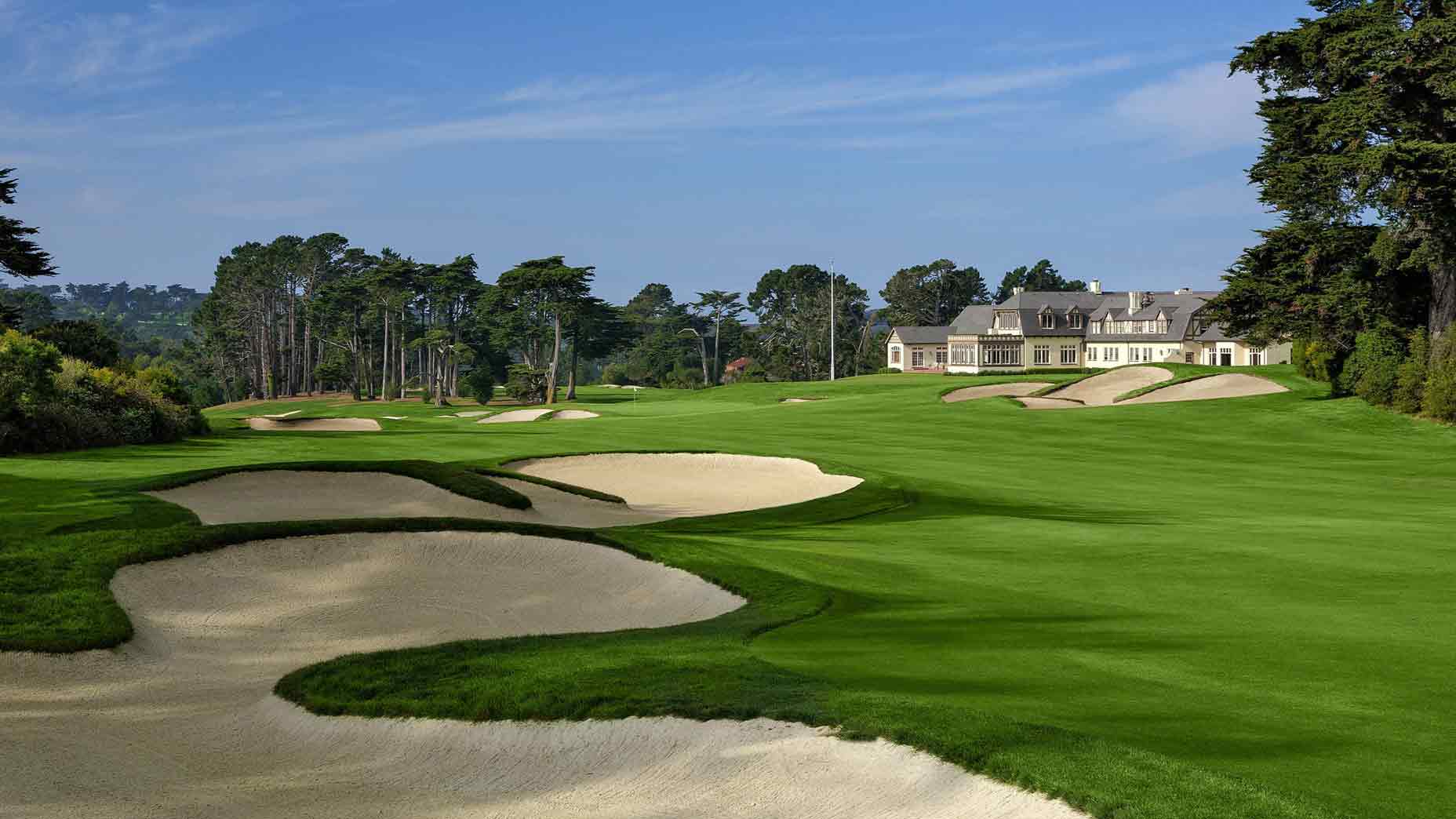
A.W. Tillinghast used bunkers with a painter's eye at San Francisco Golf Club. The private course remains a discreet Bay Area architectural landmark.
Read the full story →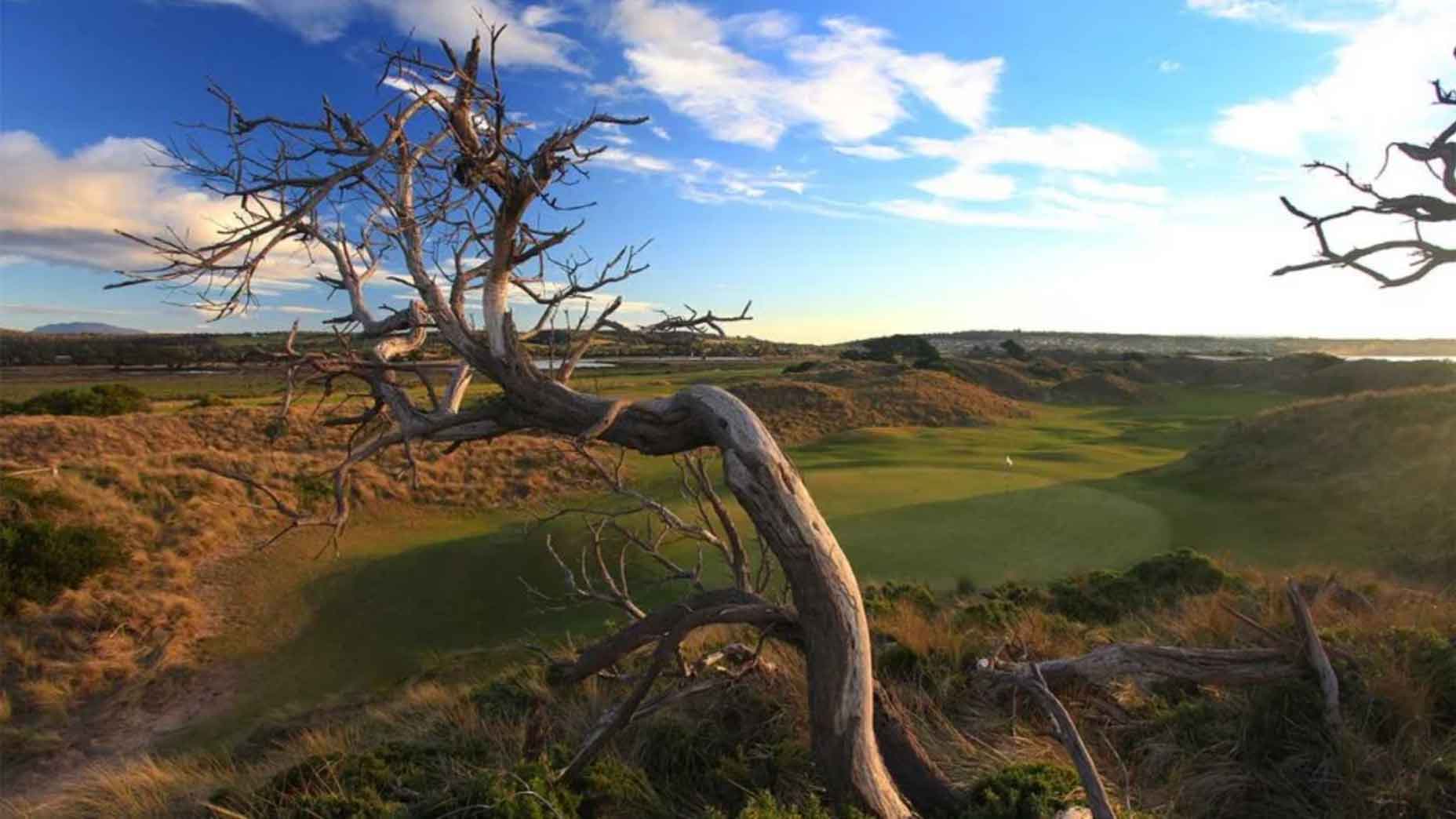
Barnbougle's dunes and Bass Strait winds created a modern Australian links destination. Its seaside holes play differently as weather shifts.
Read the full story →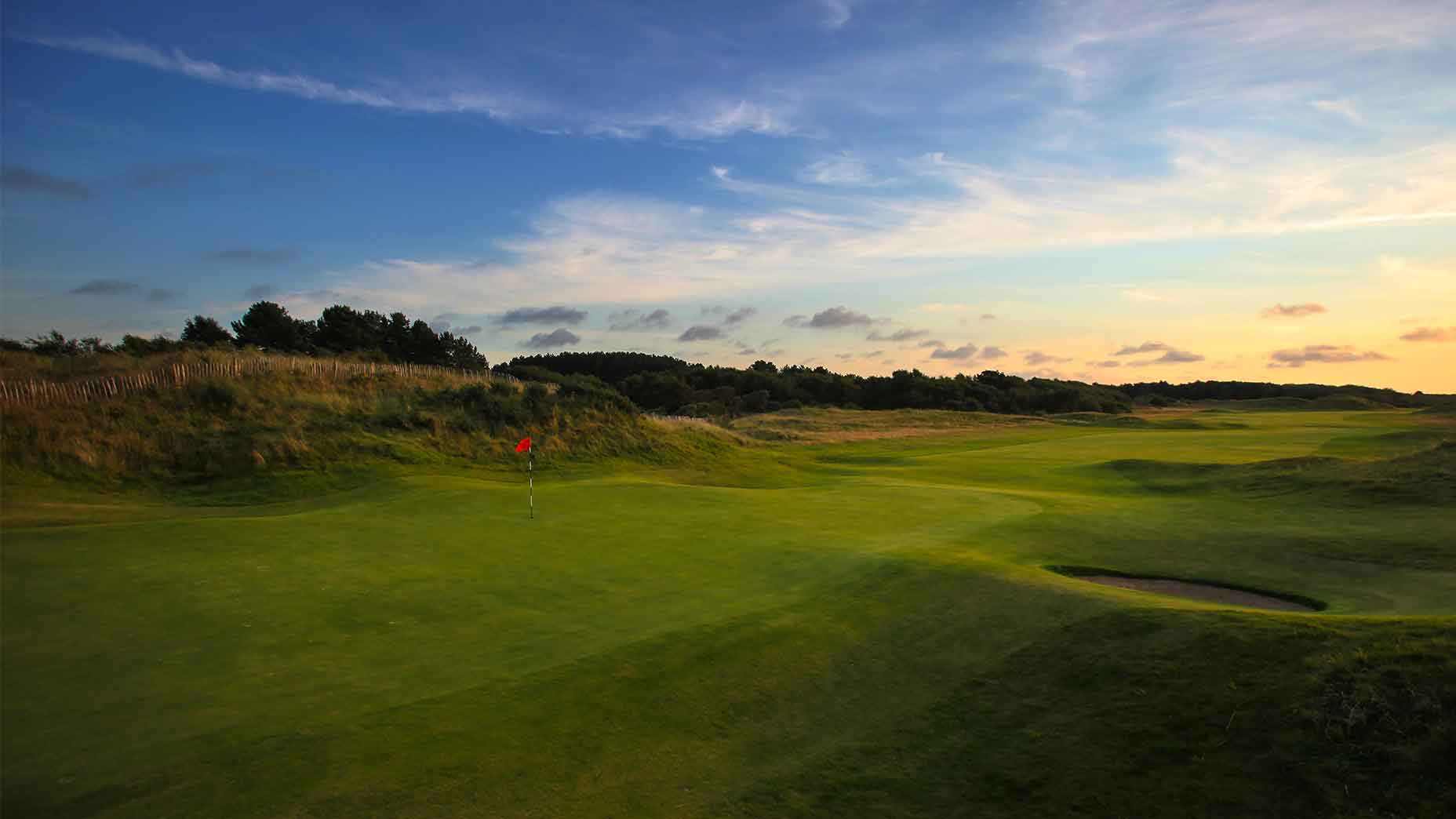
Royal Birkdale threads fairways through valleys between dunes. The Open venue has staged historic wins without relying heavily on blind shots.
Read the full story →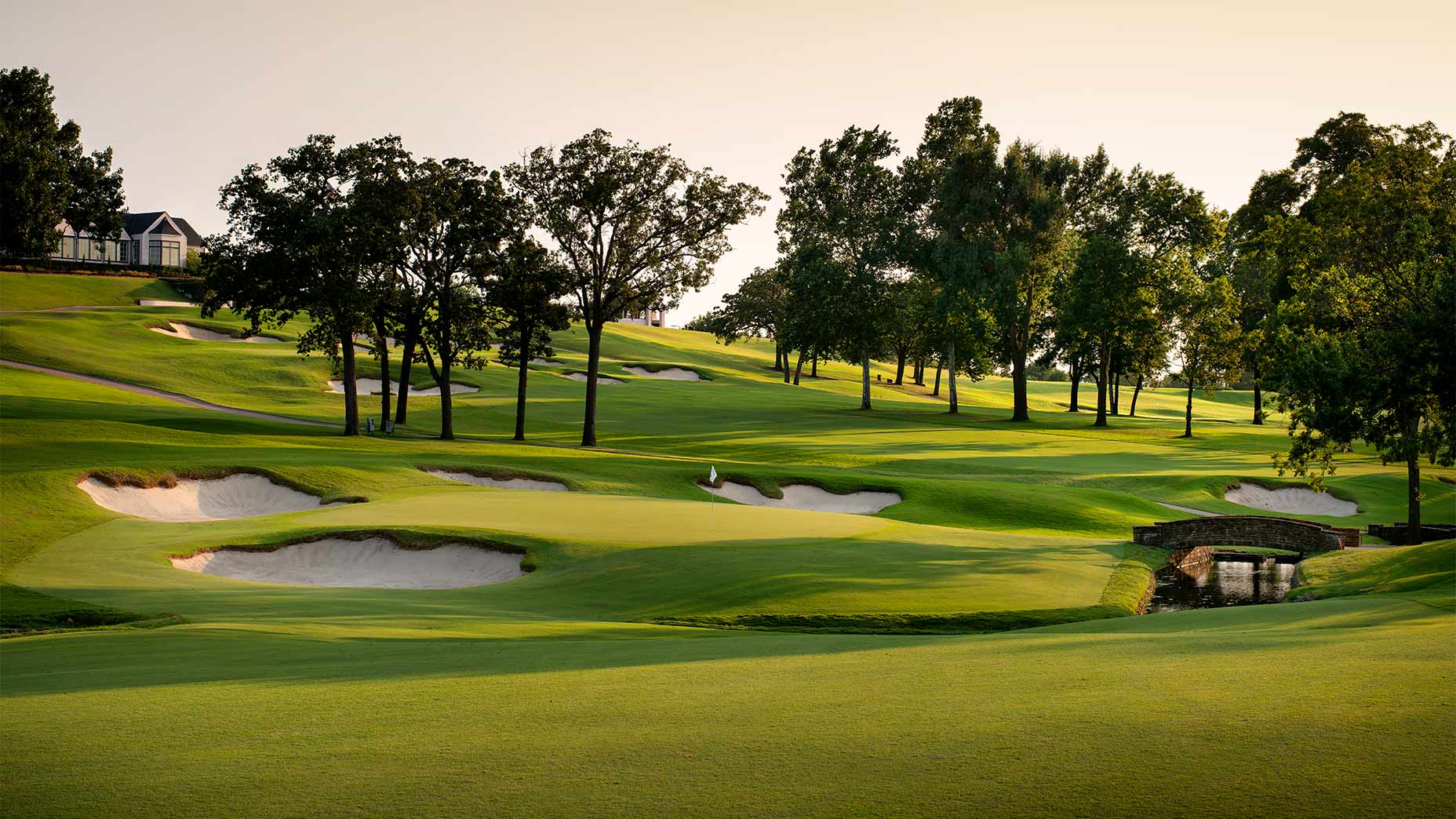
Perry Maxwell shaped Southern Hills across rolling Oklahoma ground. Its succession of major championships has shown how demanding those subtle contours can be.
Read the full story →
Tom Doak's St Patrick's Links uses Donegal's vast dunes for modern links golf. The terrain supplies movement and scale before a bunker is even added.
Read the full story →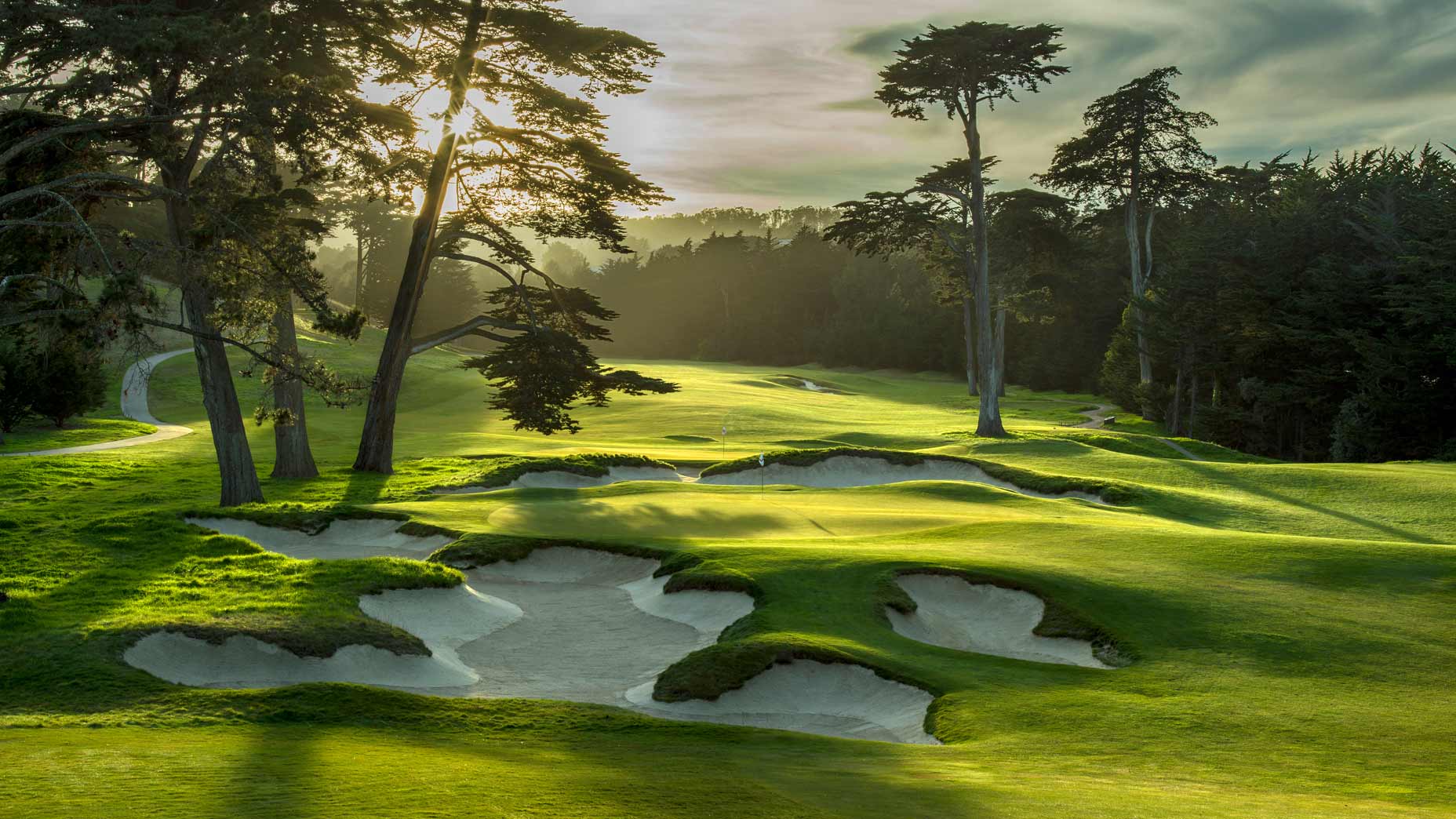
A restoration gave California Golf Club wider fairways and new strategic choices. The result brought an overlooked San Francisco design back into the conversation.
Read the full story →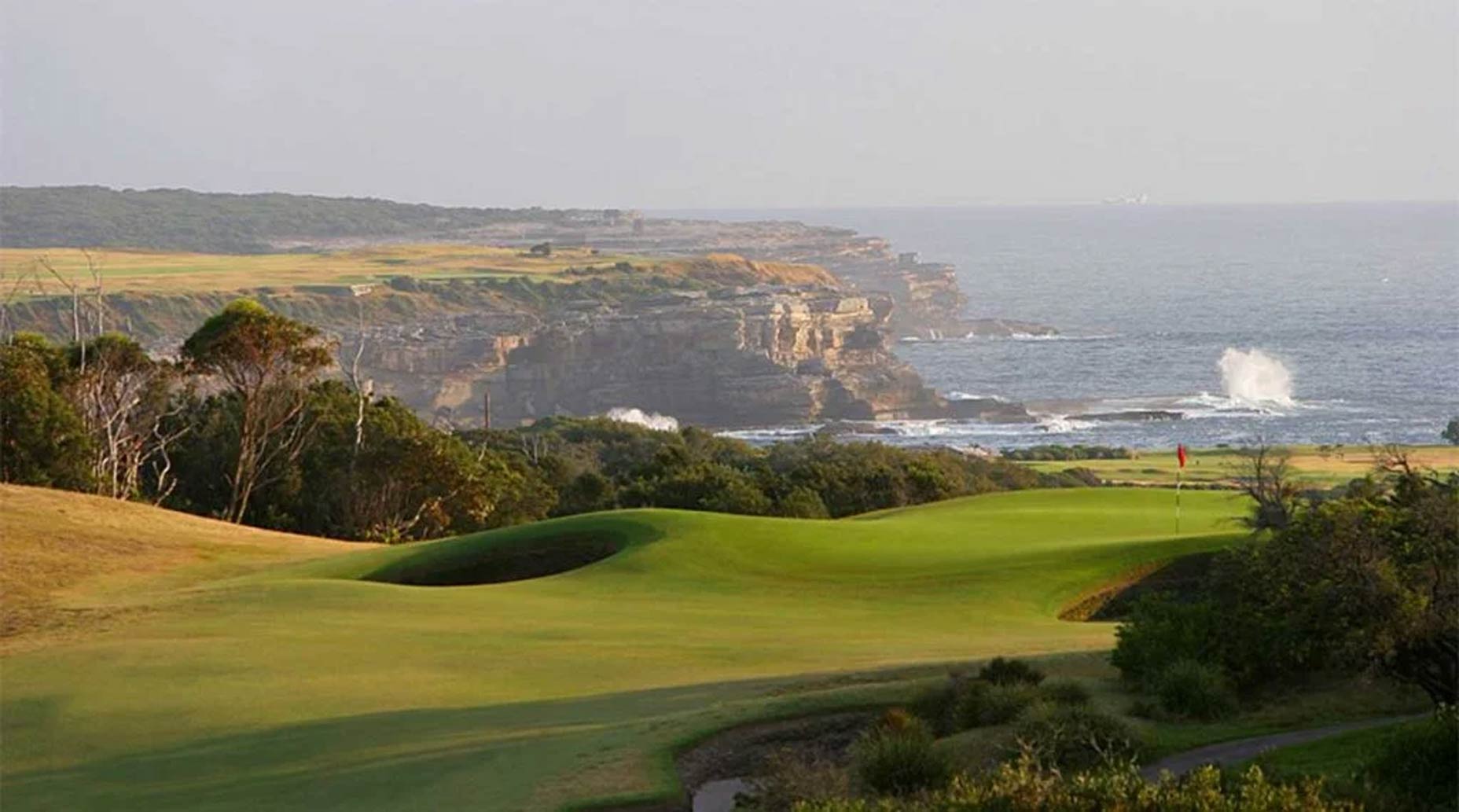
New South Wales Golf Club places ocean and coastal rock beside its fairways. The dramatic setting only sharpens the demands of its greens and bunkers.
Read the full story →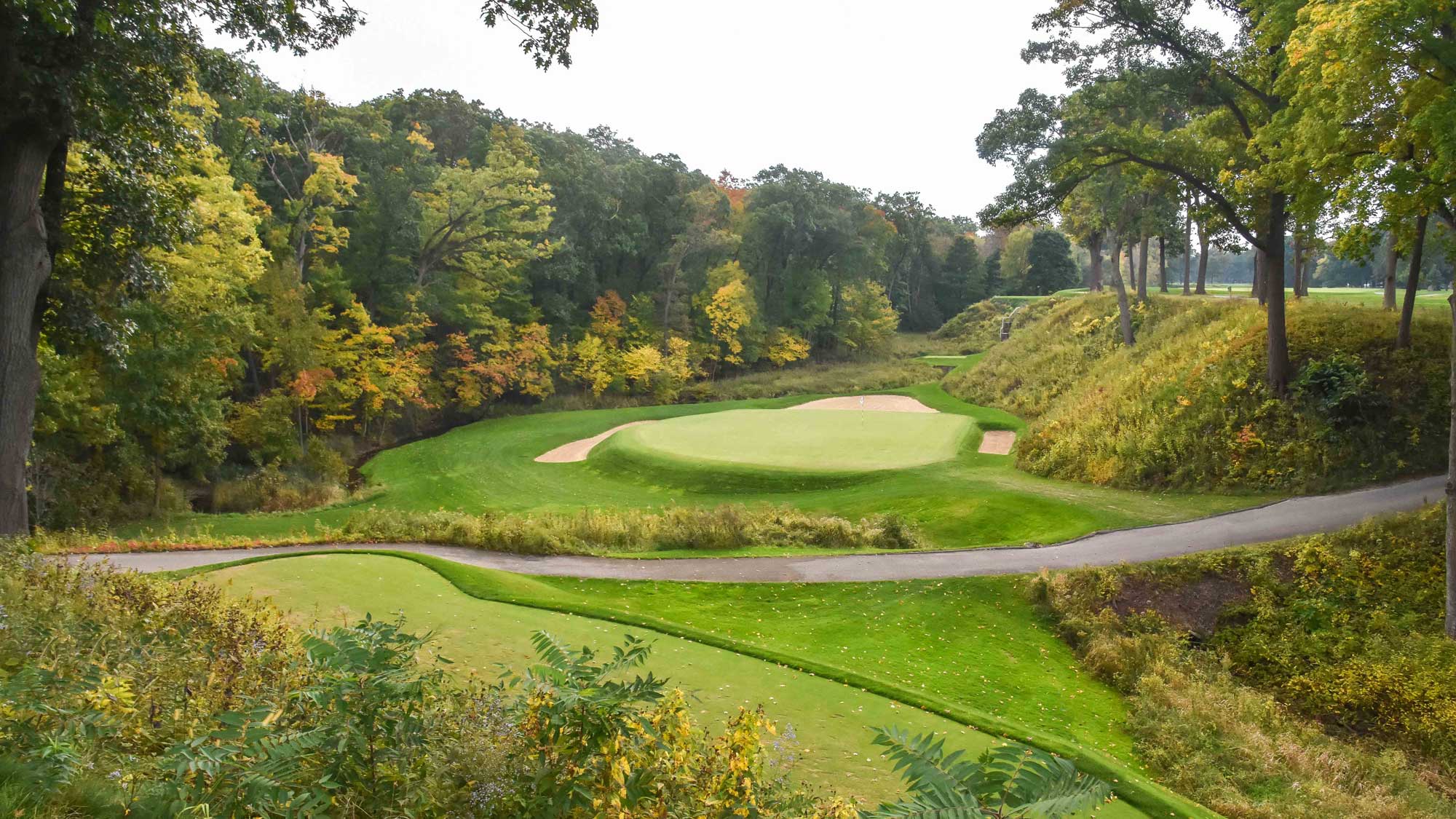
Seth Raynor placed Shoreacres' celebrated holes beside steep ravines. One wrong angle can turn an inviting approach into a recovery problem.
Read the full story →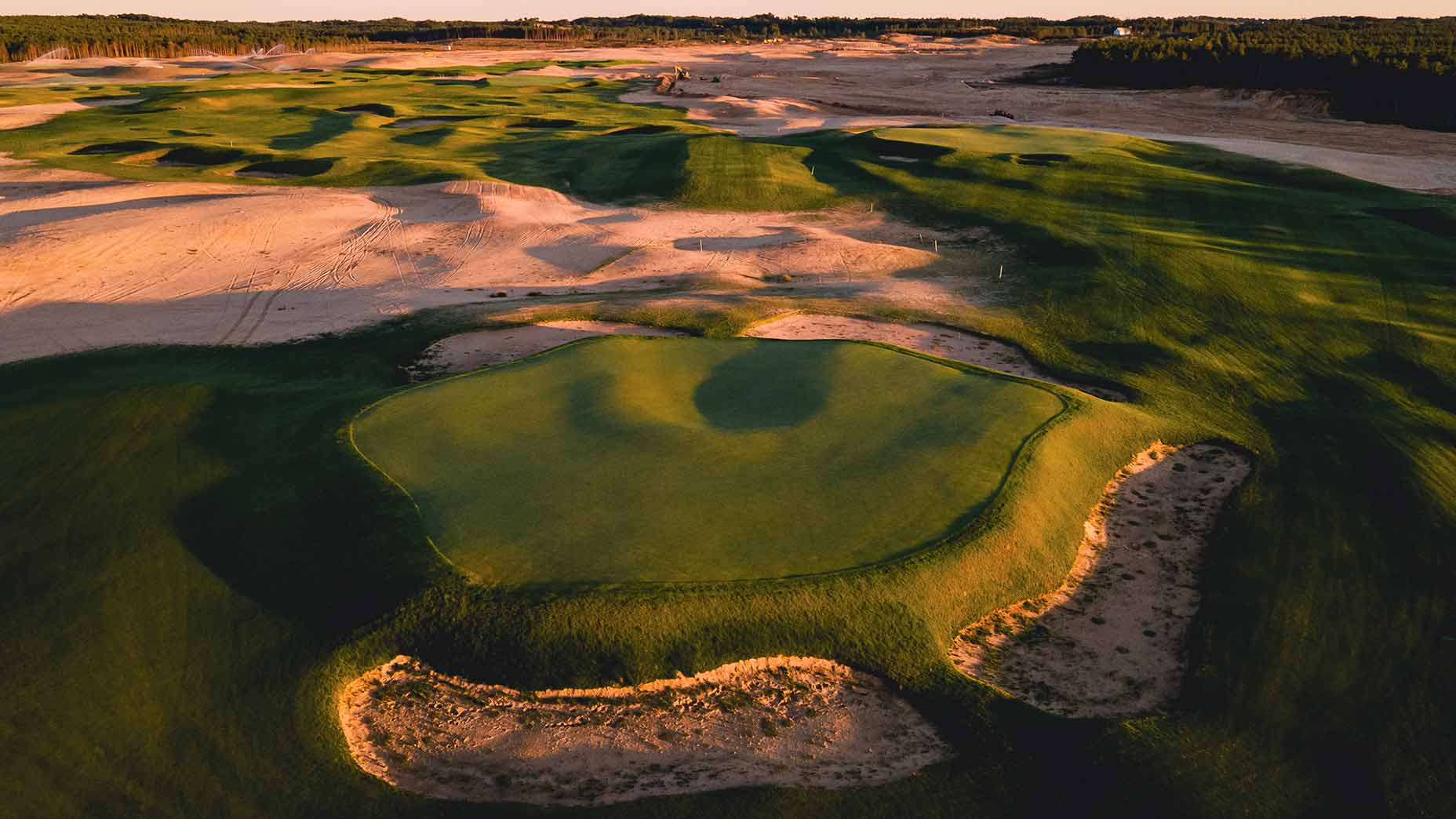
The Lido recreates a lost Macdonald and Raynor design on Wisconsin sand. Its revival lets golfers encounter architectural ideas once erased from Long Island.
Read the full story →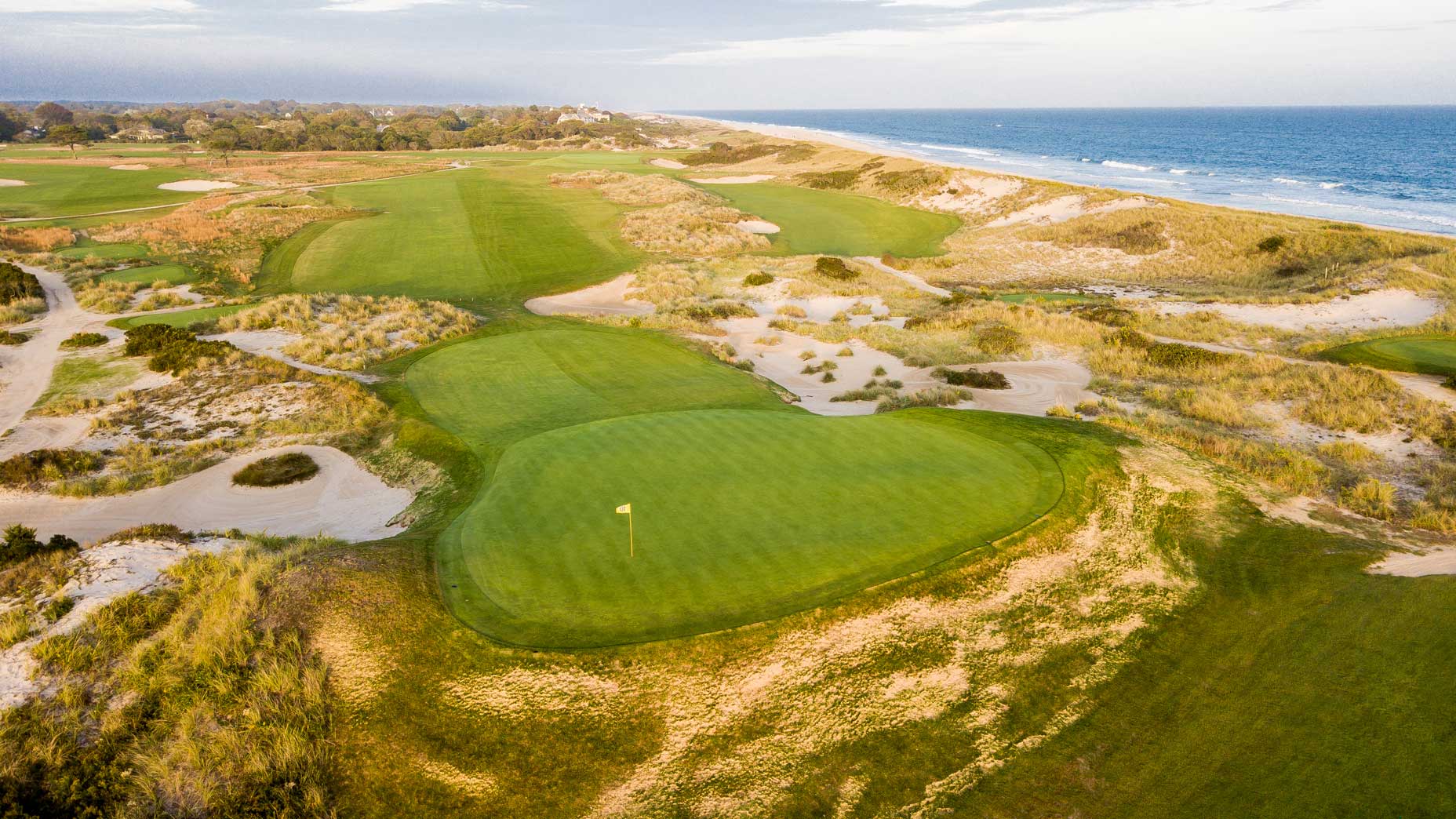
A coastal restoration reopened Maidstone's Atlantic views and dunes. The Long Island course feels connected to the sea again.
Read the full story →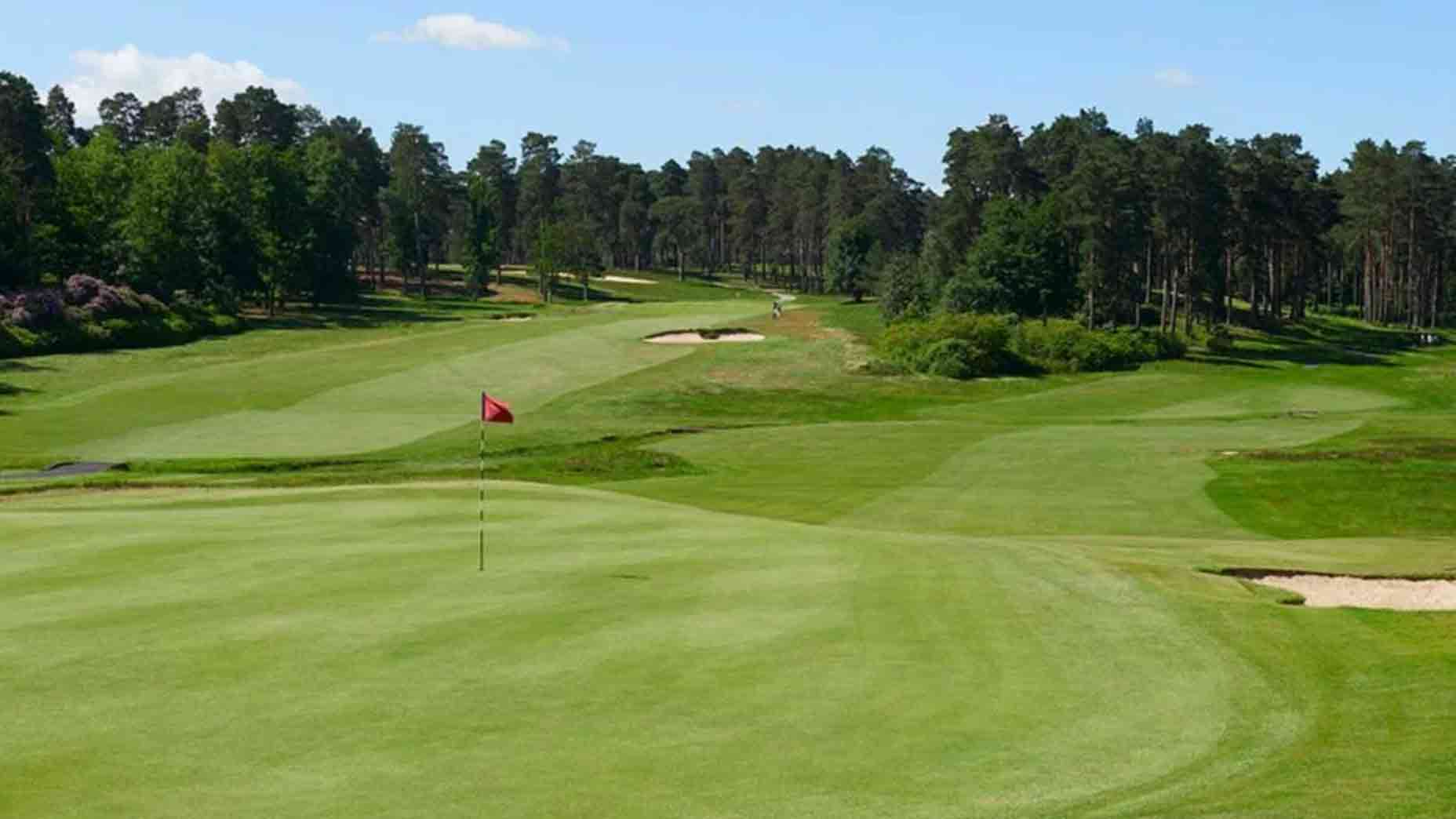
Harry Colt made Swinley Forest proof that a shorter course can possess enormous depth. Its heathland holes reward thoughtful positioning over raw distance.
Read the full story →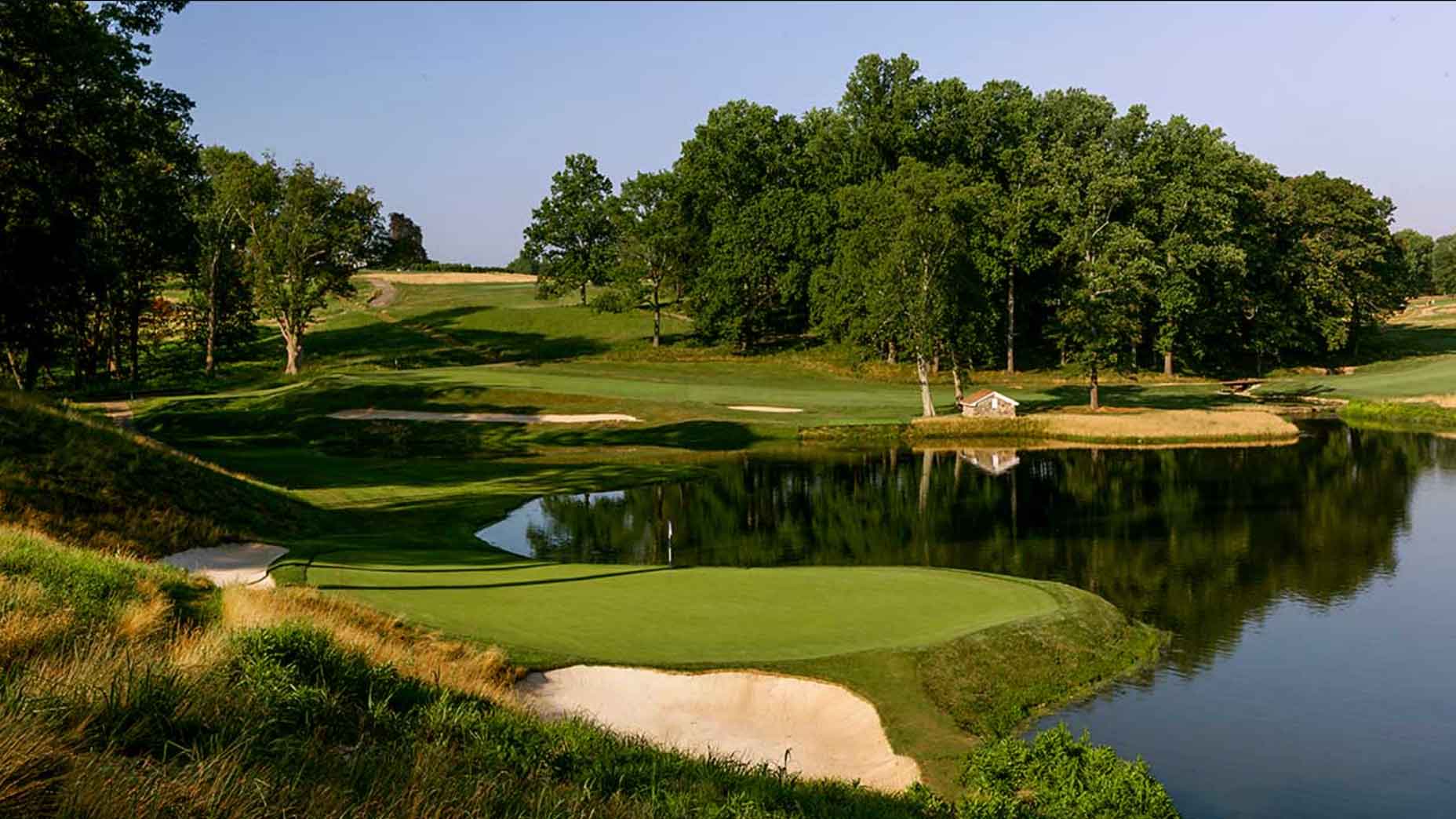
A.W. Tillinghast's Somerset Hills presents different questions on its front and back nines. Restoration has sharpened the character of its greens and bunkers.
Read the full story →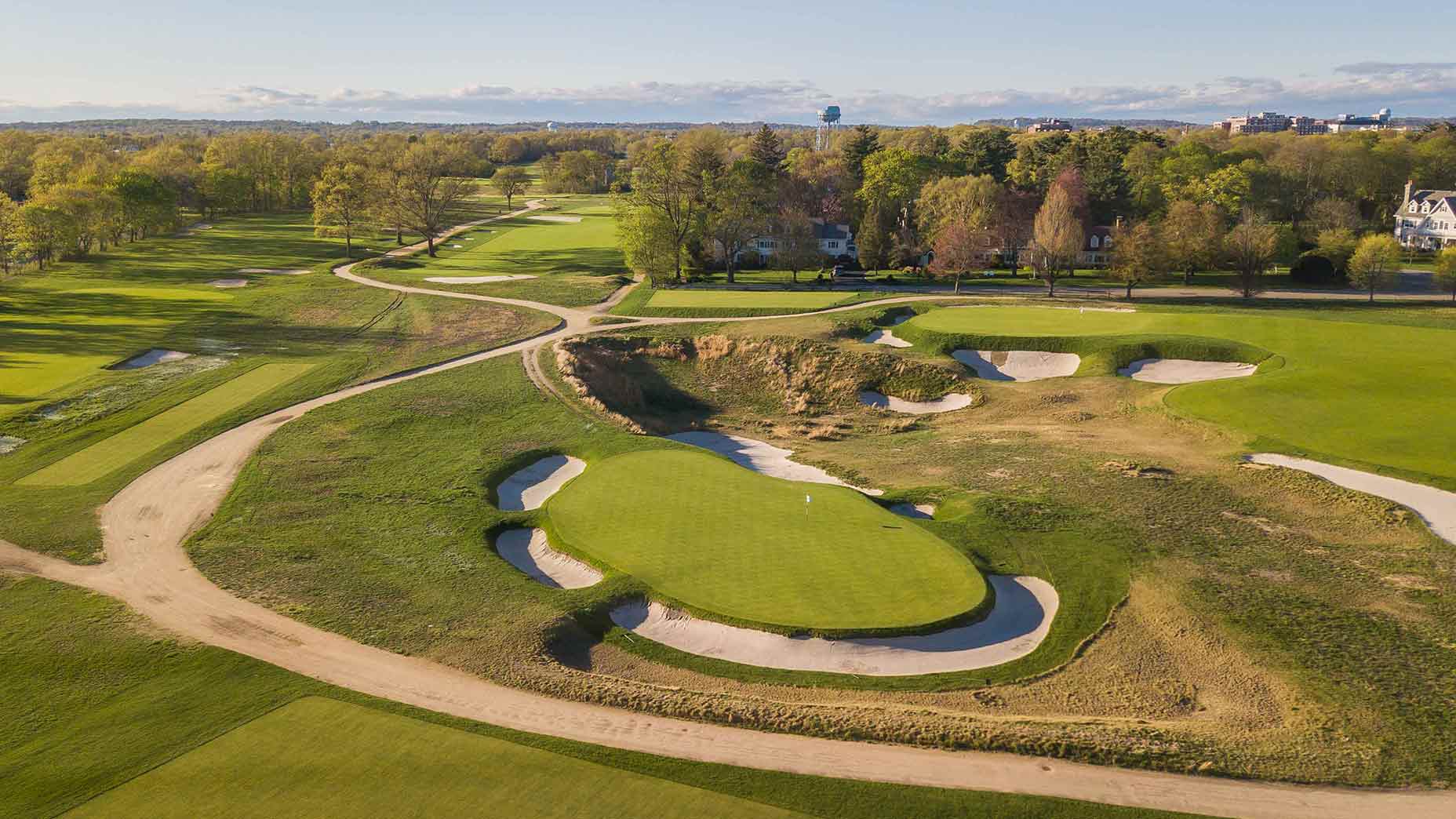
Walter Travis left a lasting mark on Garden City's strategy. Its broad Long Island ground and changing breezes make the old design continually fresh.
Read the full story →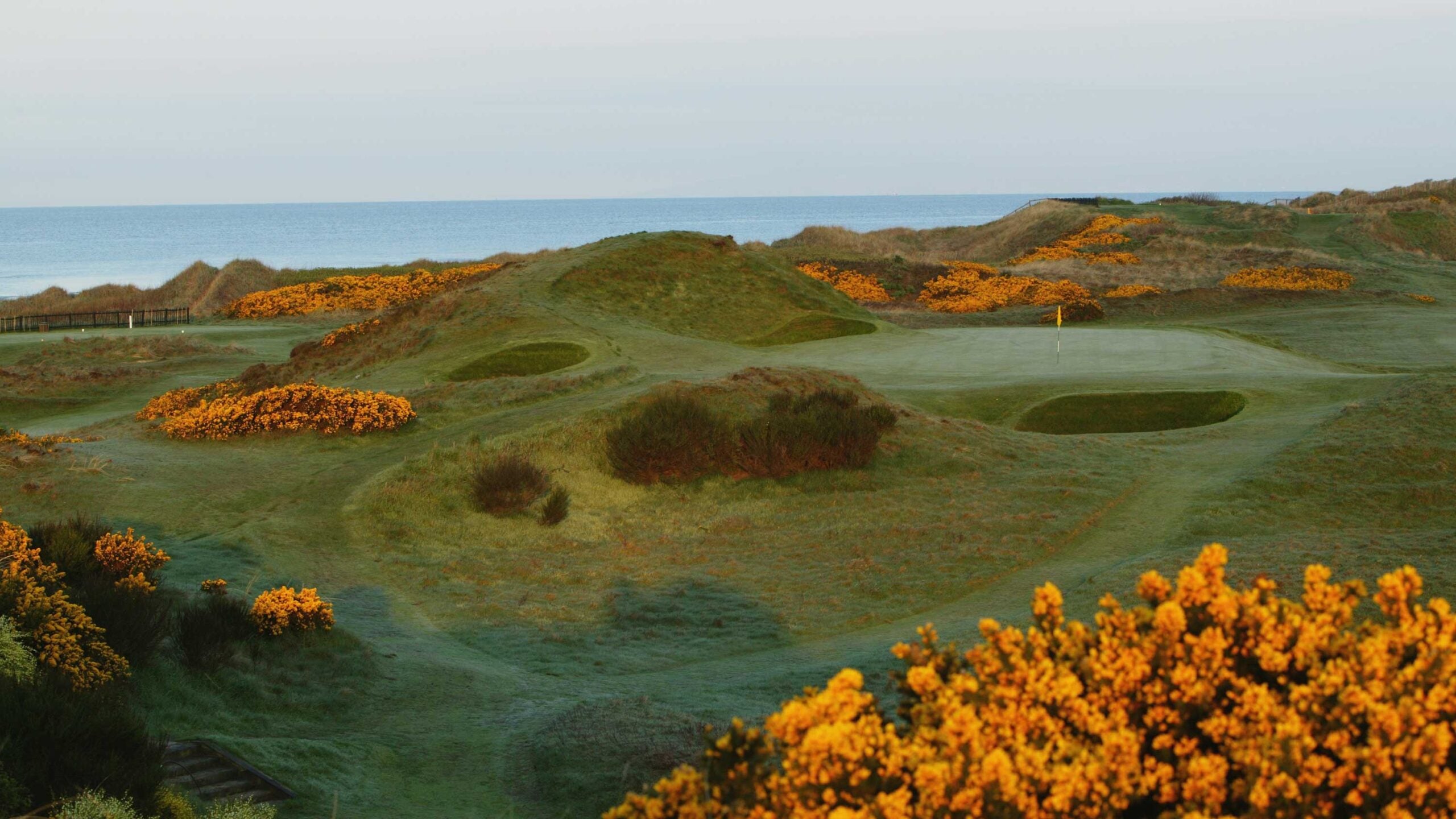
The Postage Stamp is only one of Royal Troon's small targets. The Ailsa's outward and inward journeys ask very different questions when the wind rises.
Read the full story →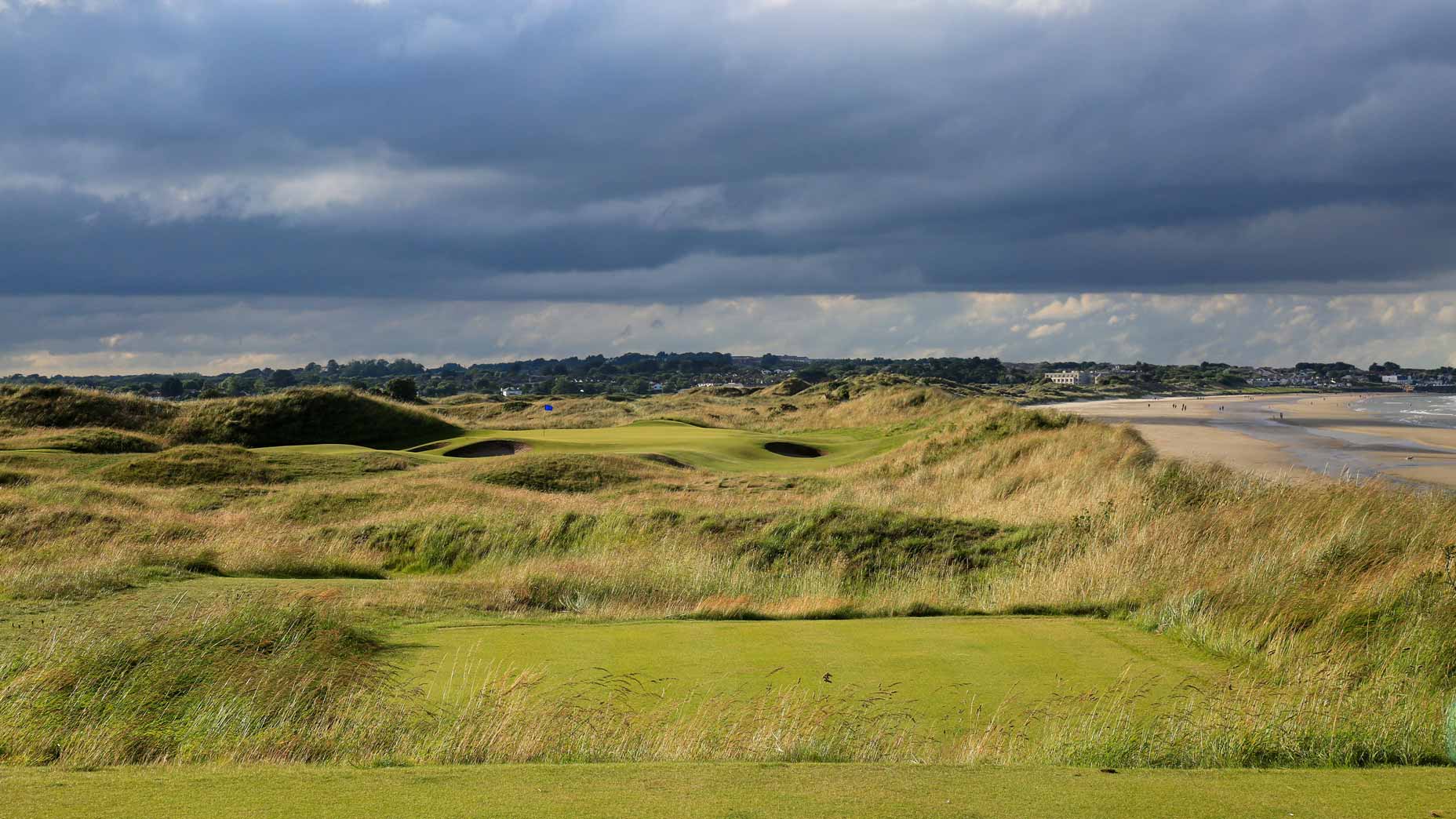
Portmarnock occupies a narrow sandy peninsula outside Dublin. Its firm fairways and changing sea wind have long made it a stern links test.
Read the full story →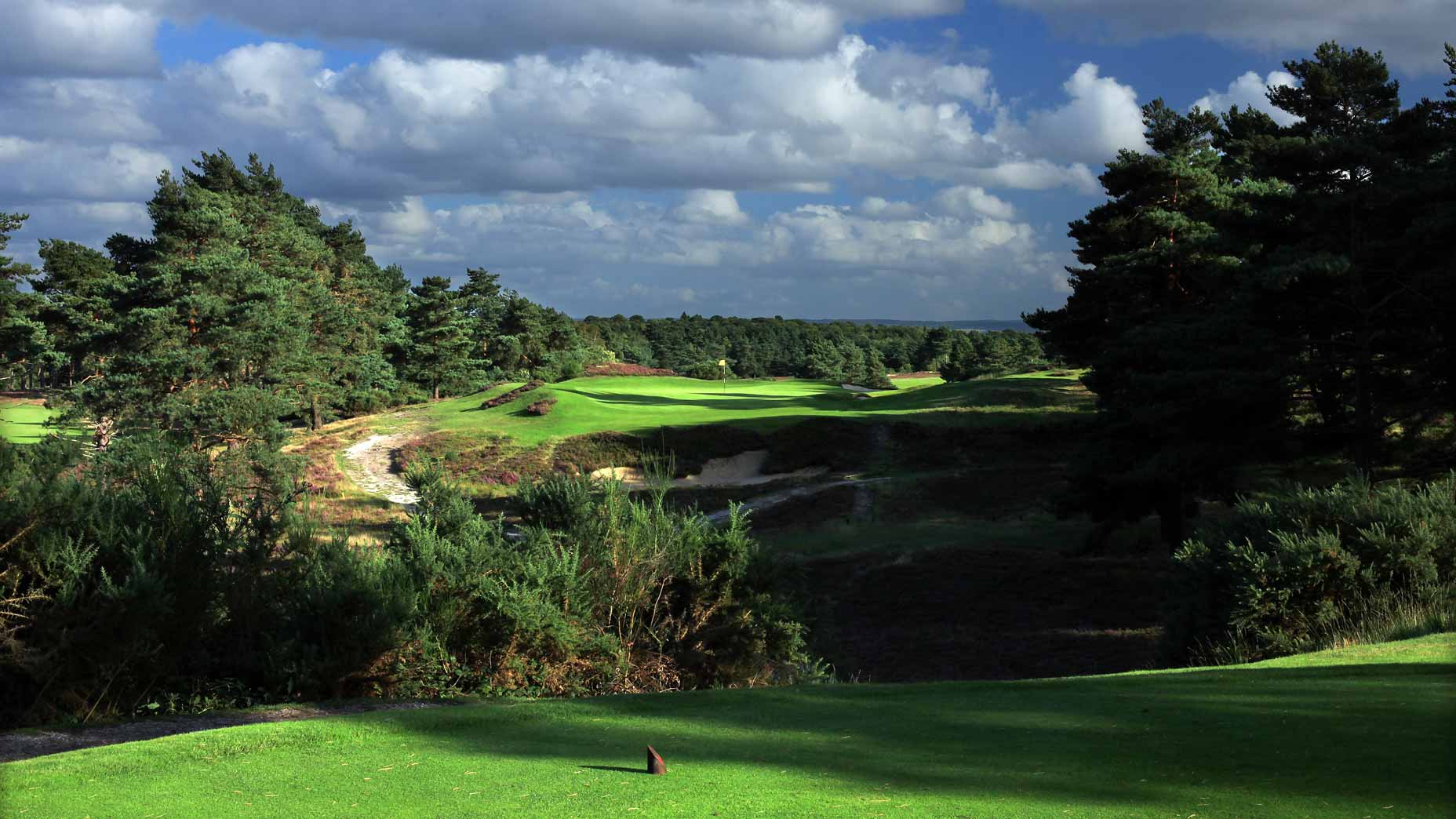
Harry Colt built Sunningdale New beside the Old, giving visitors two distinct heathland rounds. Its stronger contours make the sibling comparison a lively one.
Read the full story →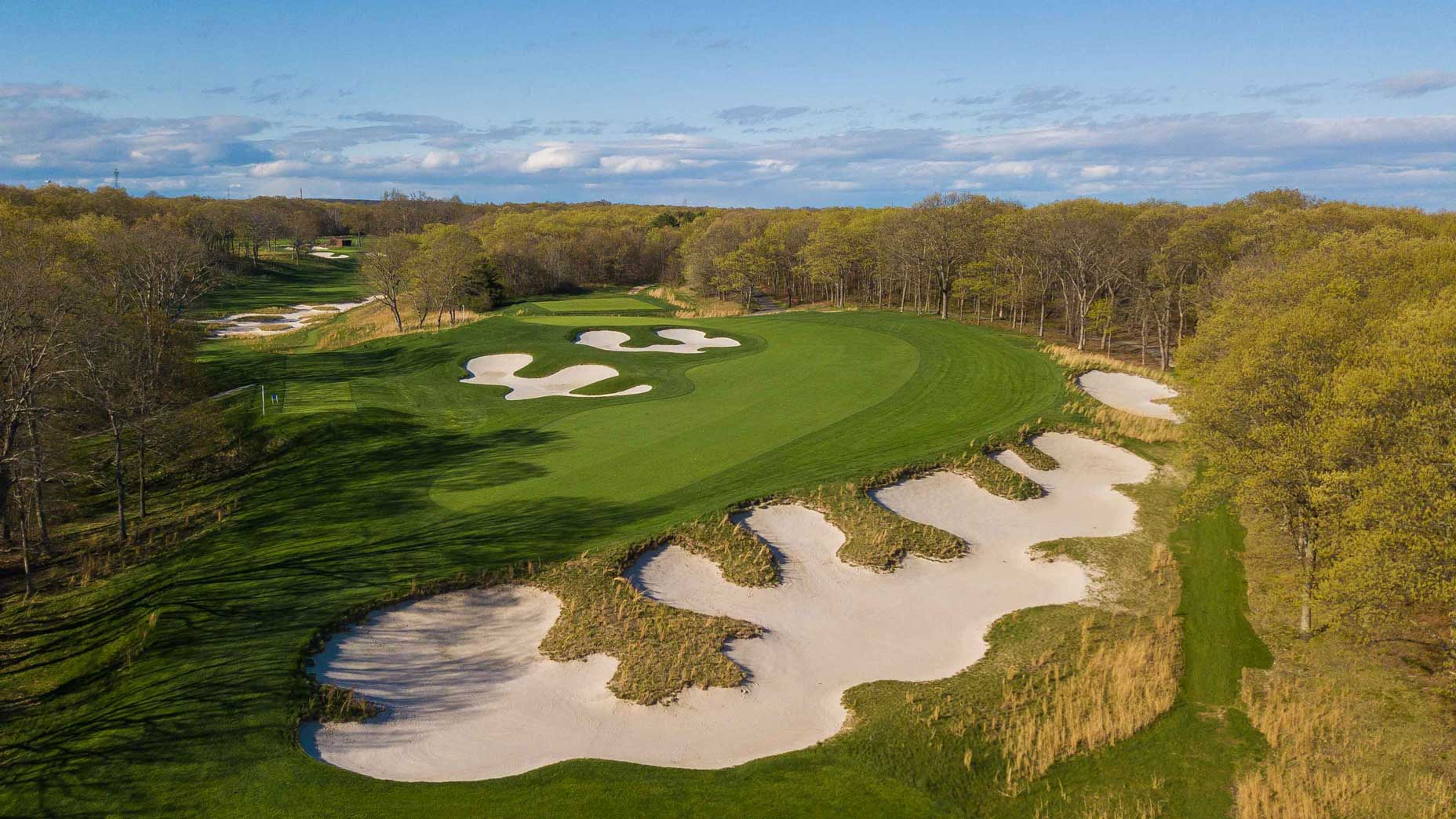
Bethpage Black's warning sign is famous, but the course's demanding length explains it. Tiger Woods won a U.S. Open here in 2002 before the public galleries.
Read the full story →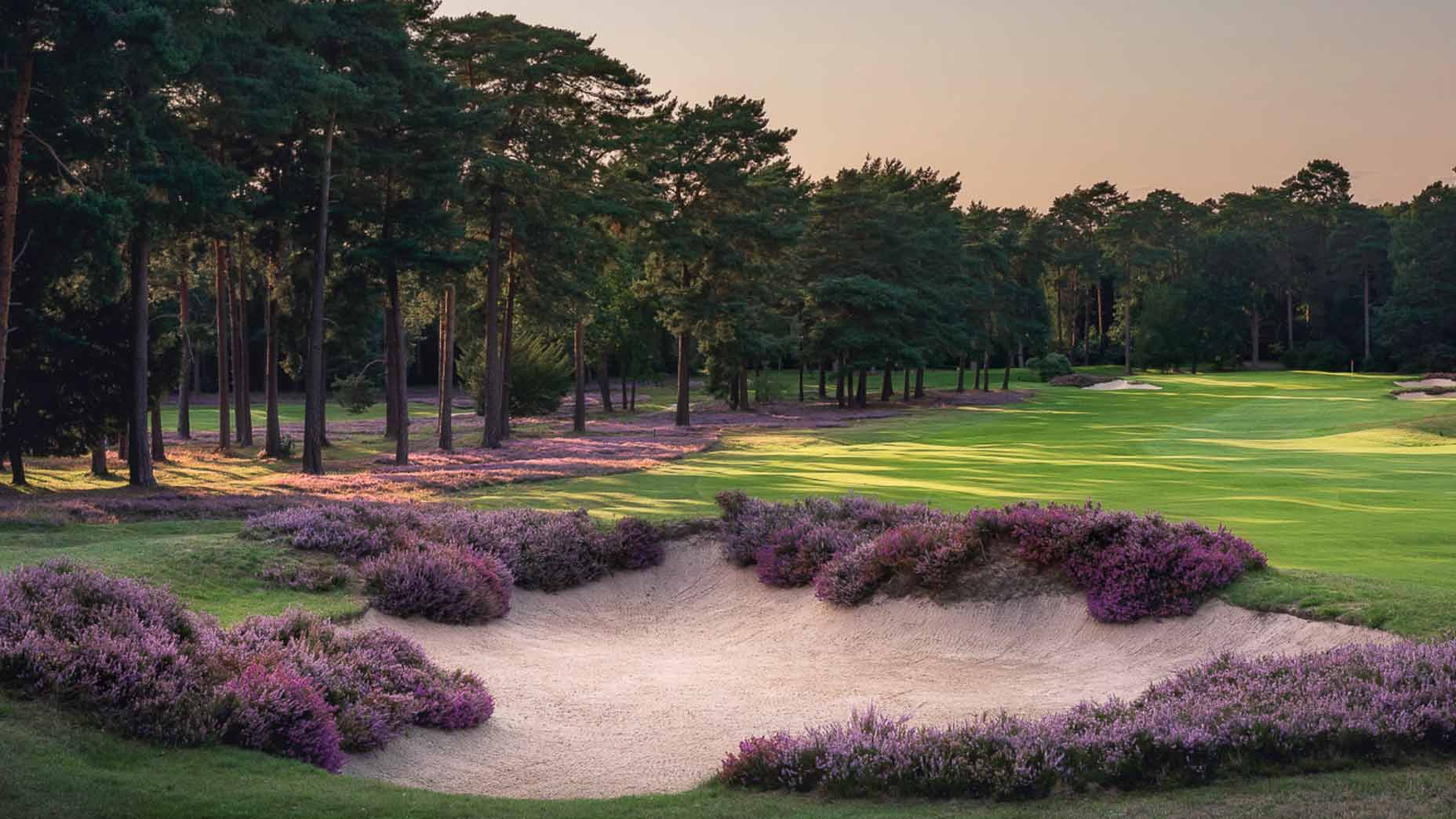
Harry Colt used Surrey's heathland slopes to make St George's Hill endlessly varied. The elevation changes give this inland course its visual character.
Read the full story →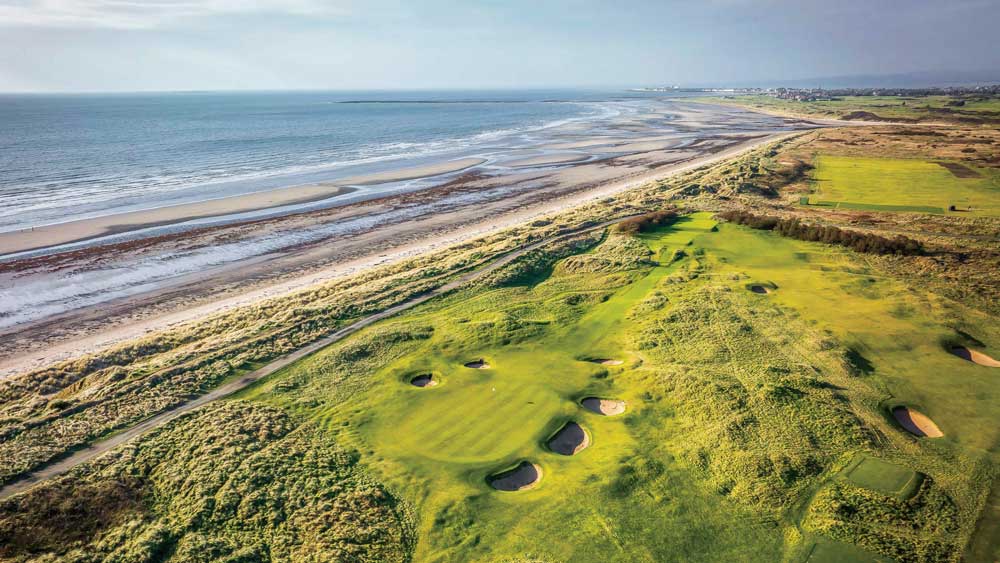
Prestwick hosted the first Open in 1860 and its first 12 editions. Tight ground and eccentric holes preserve a feel for championship golf's beginnings.
Read the full story →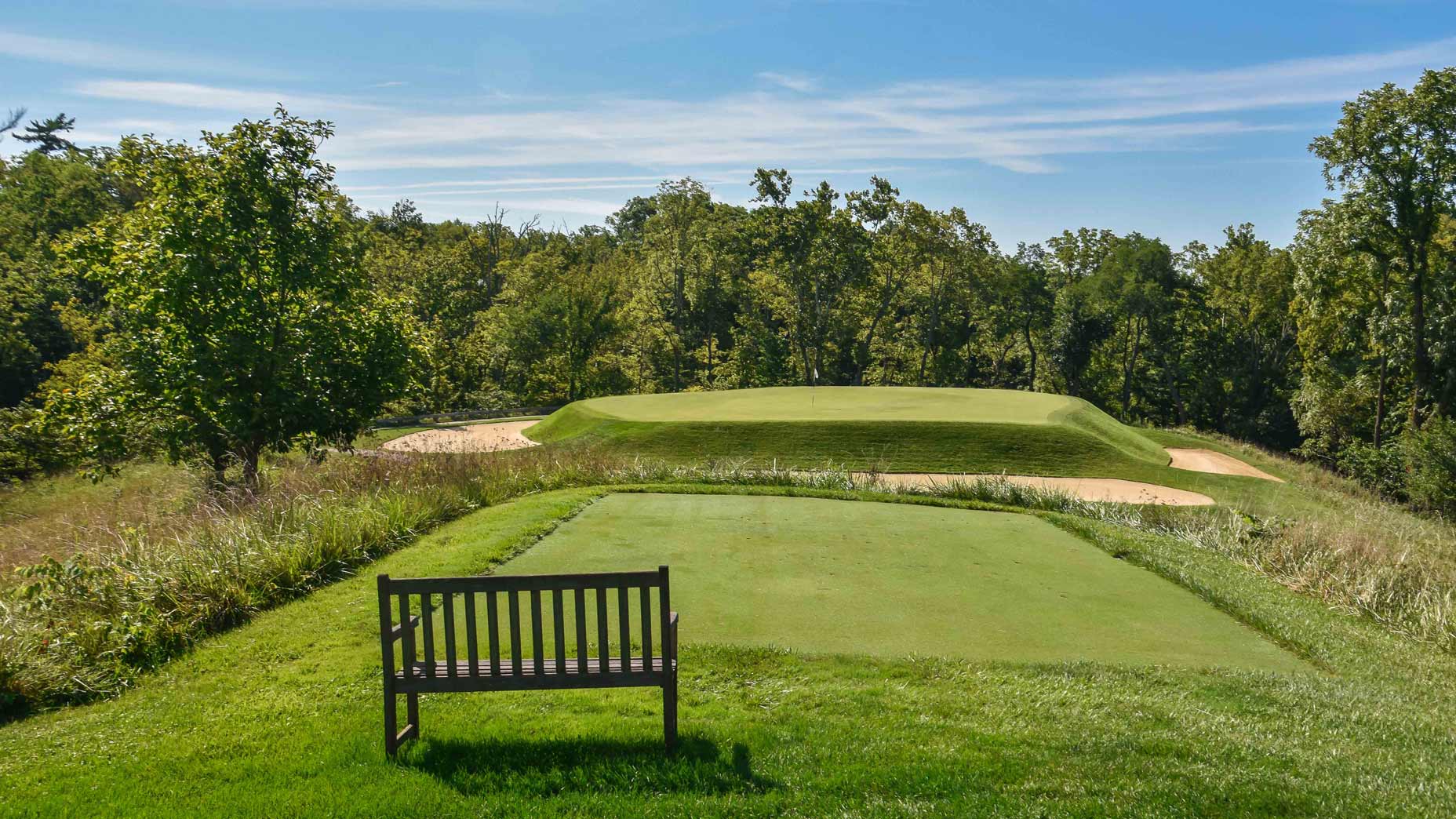
Seth Raynor filled Camargo with bold bunkers and geometric greens. Its template holes reward players who recognize the right angle of approach.
Read the full story →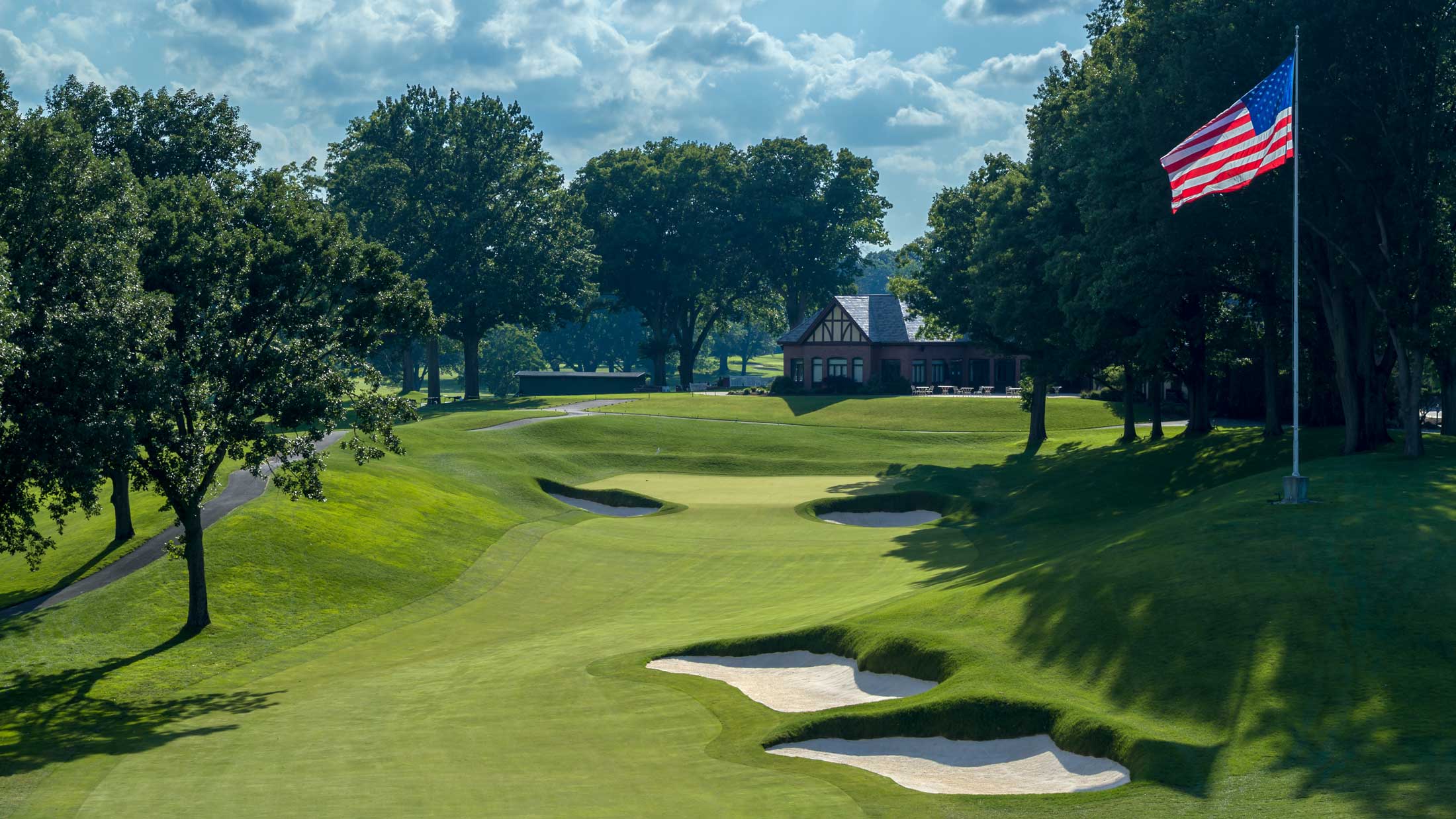
Donald Ross's Oak Hill East became a regular major stage. Renovation brought back design features obscured by decades of championship preparation.
Read the full story →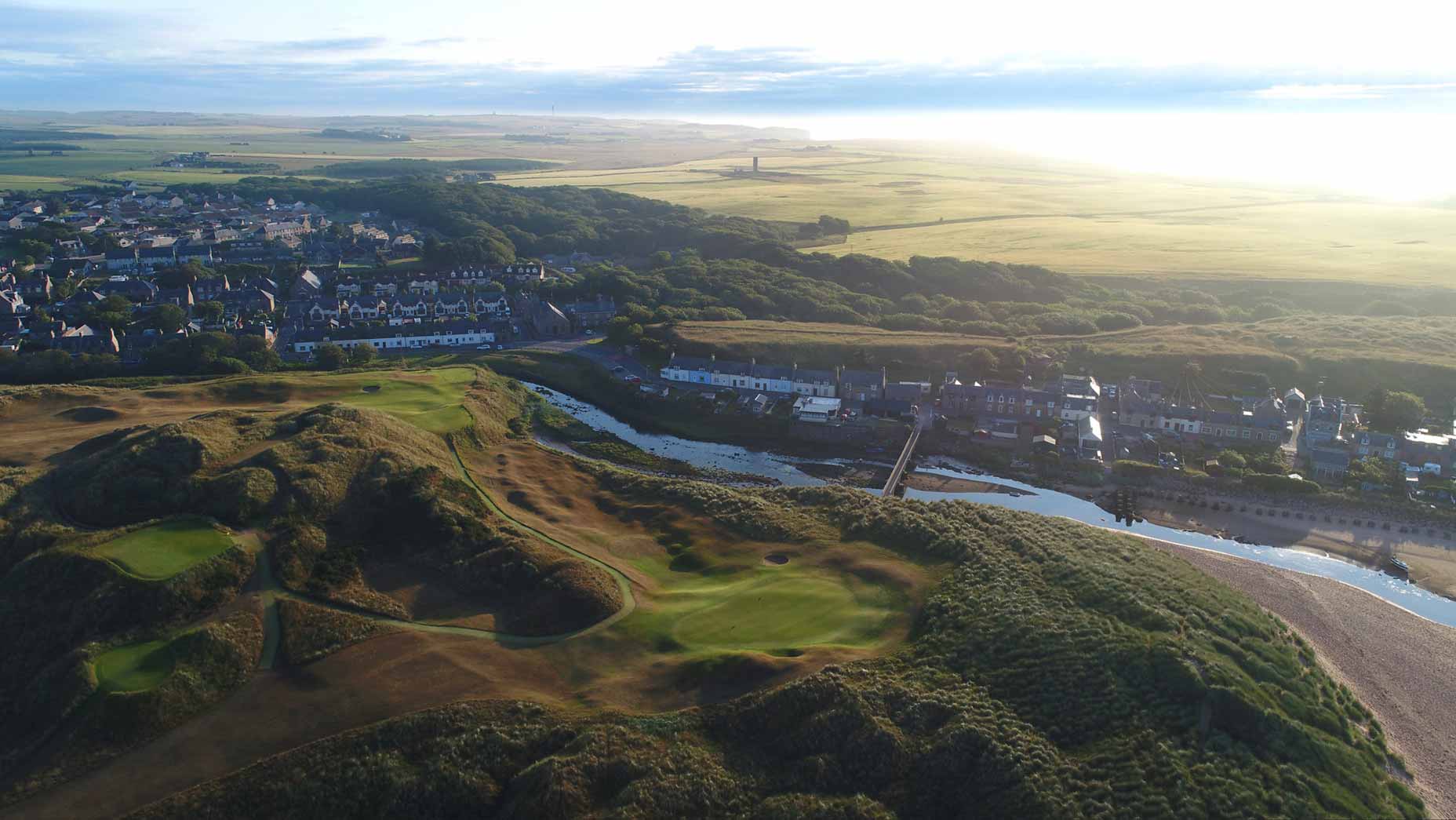
Cruden Bay pairs towering dunes with surprising blind shots. The Scottish links turns a round into a sequence of small discoveries.
Read the full story →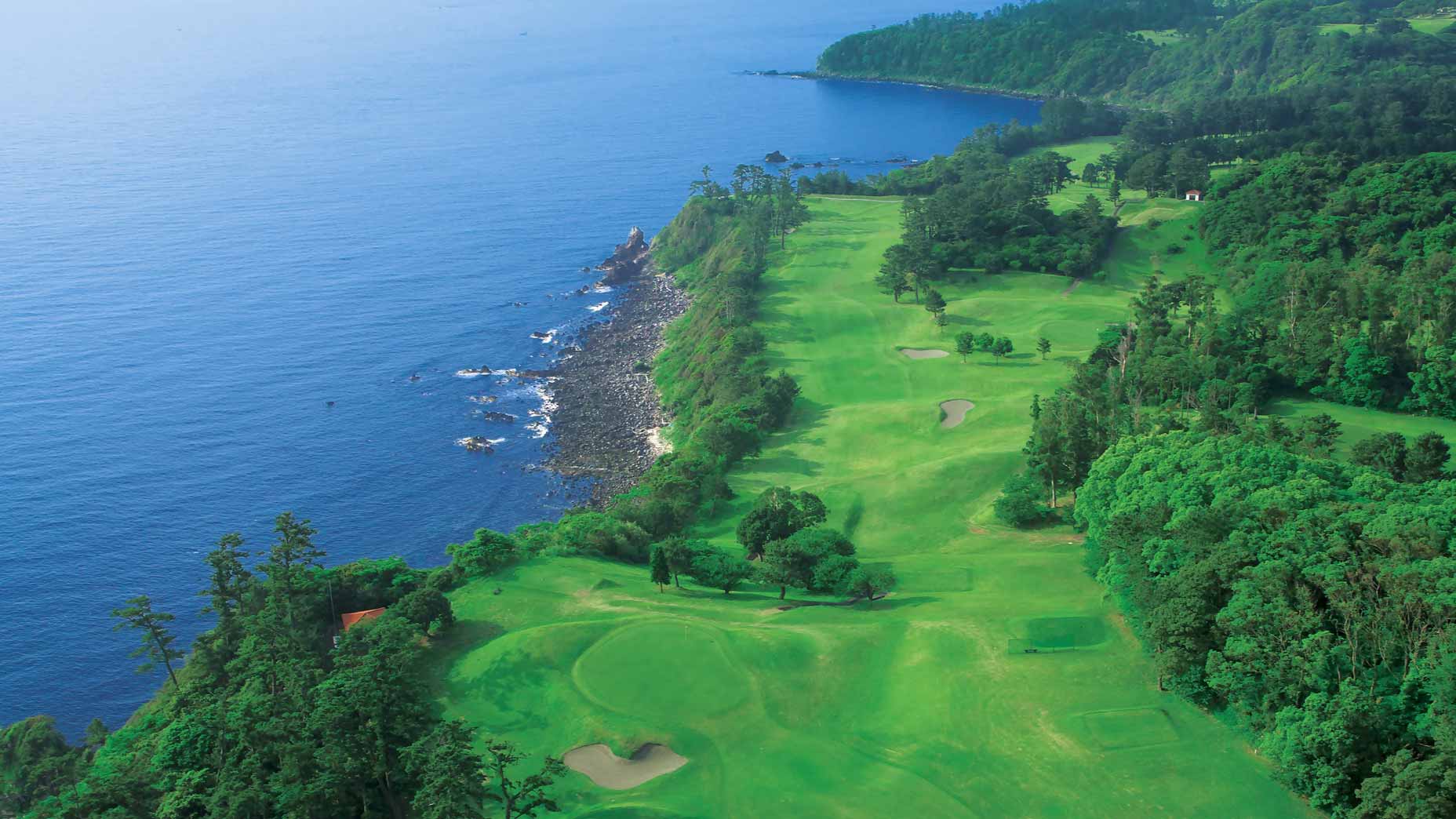
The Fuji Course at Kawana turns Japan's coastline and elevation into a dramatic routing. Its views are memorable, but the connections between holes matter just as much.
Read the full story →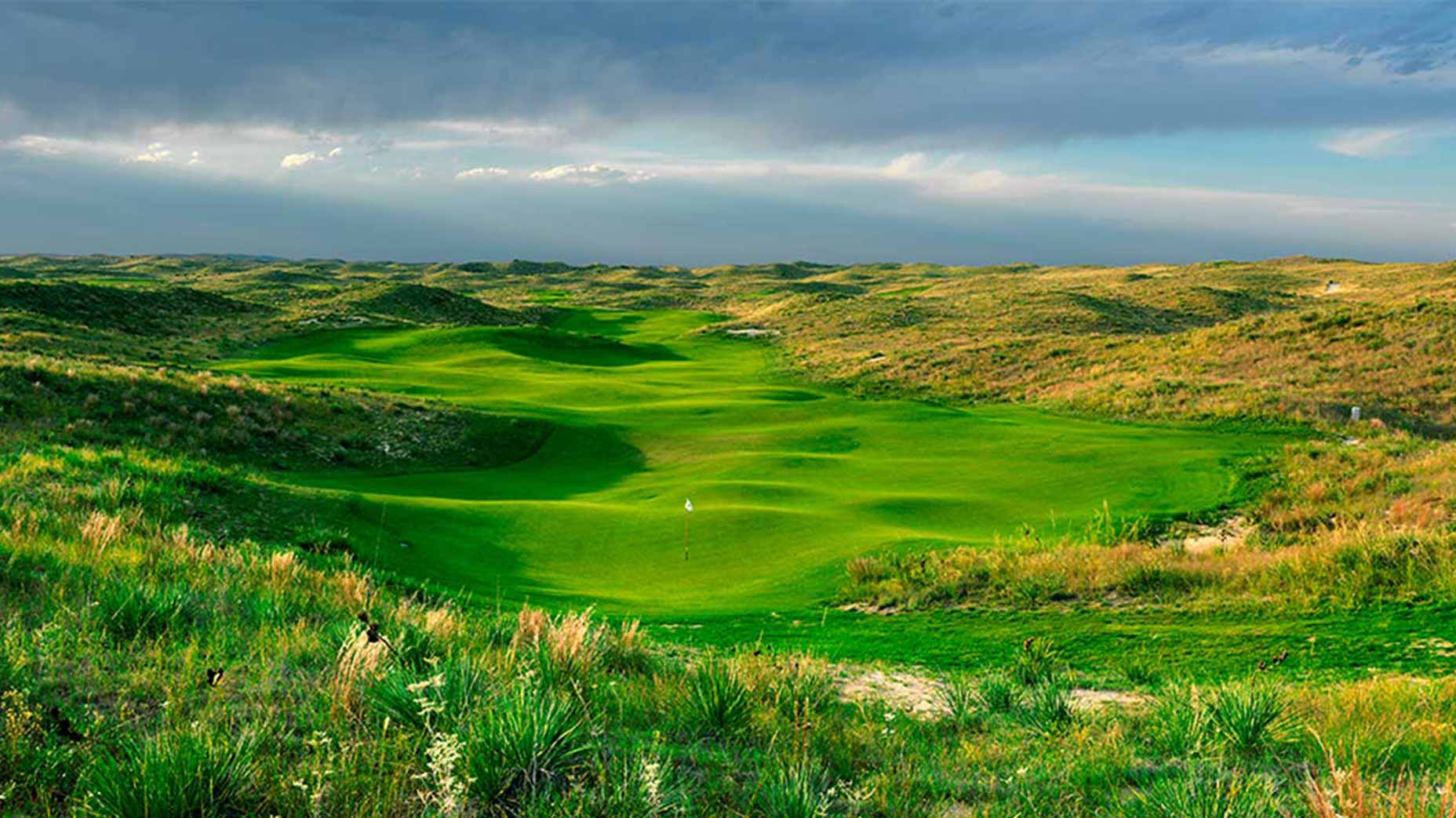
Tom Doak's Ballyneal draws golfers through Colorado's rolling dunes without formal tee markers. Wind and ground contours invite a different route each round.
Read the full story →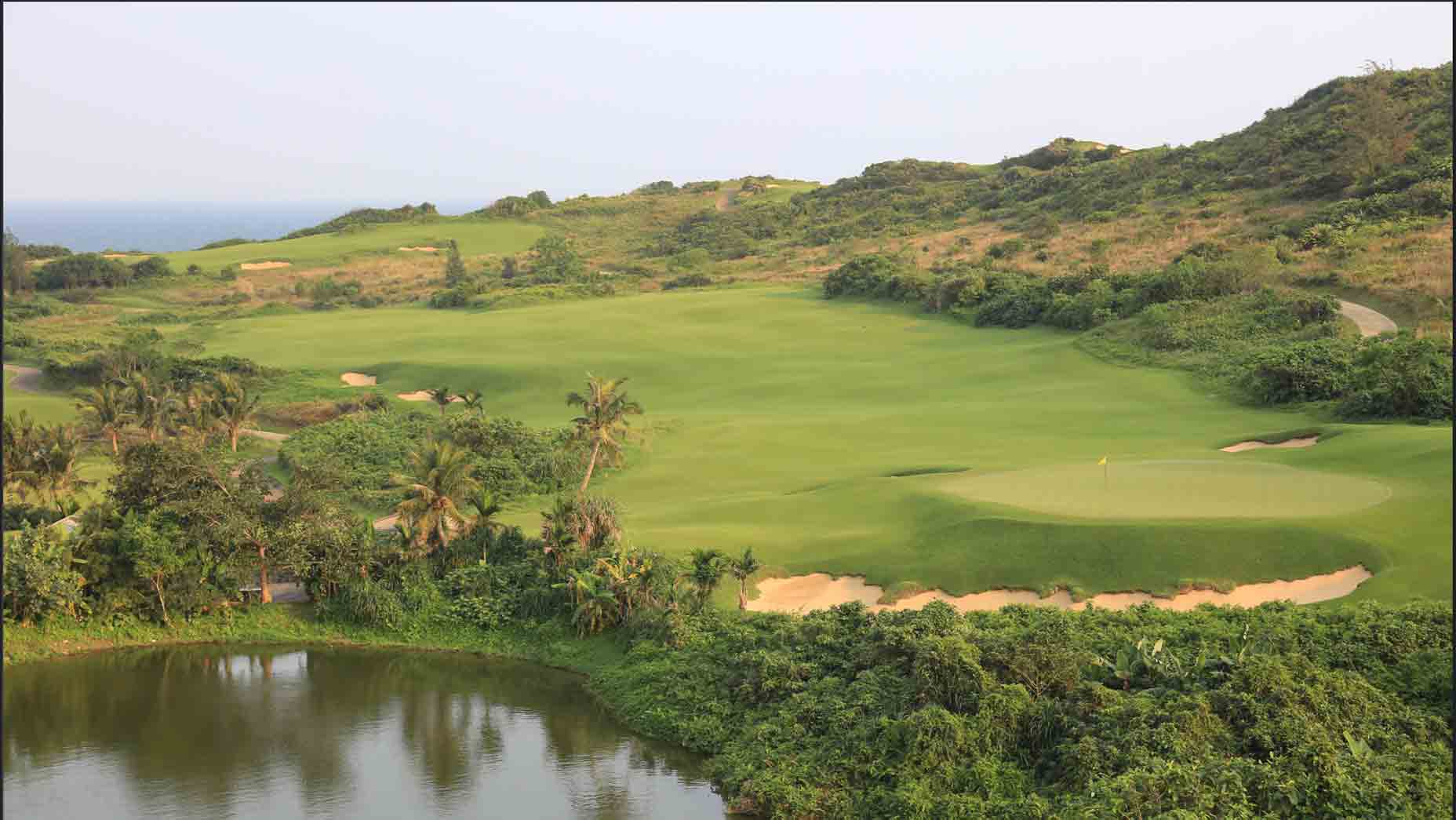
Shanqin Bay takes seaside golf to tropical Hainan Island. Its steep landforms and coastal wind create a setting unlike traditional northern links.
Read the full story →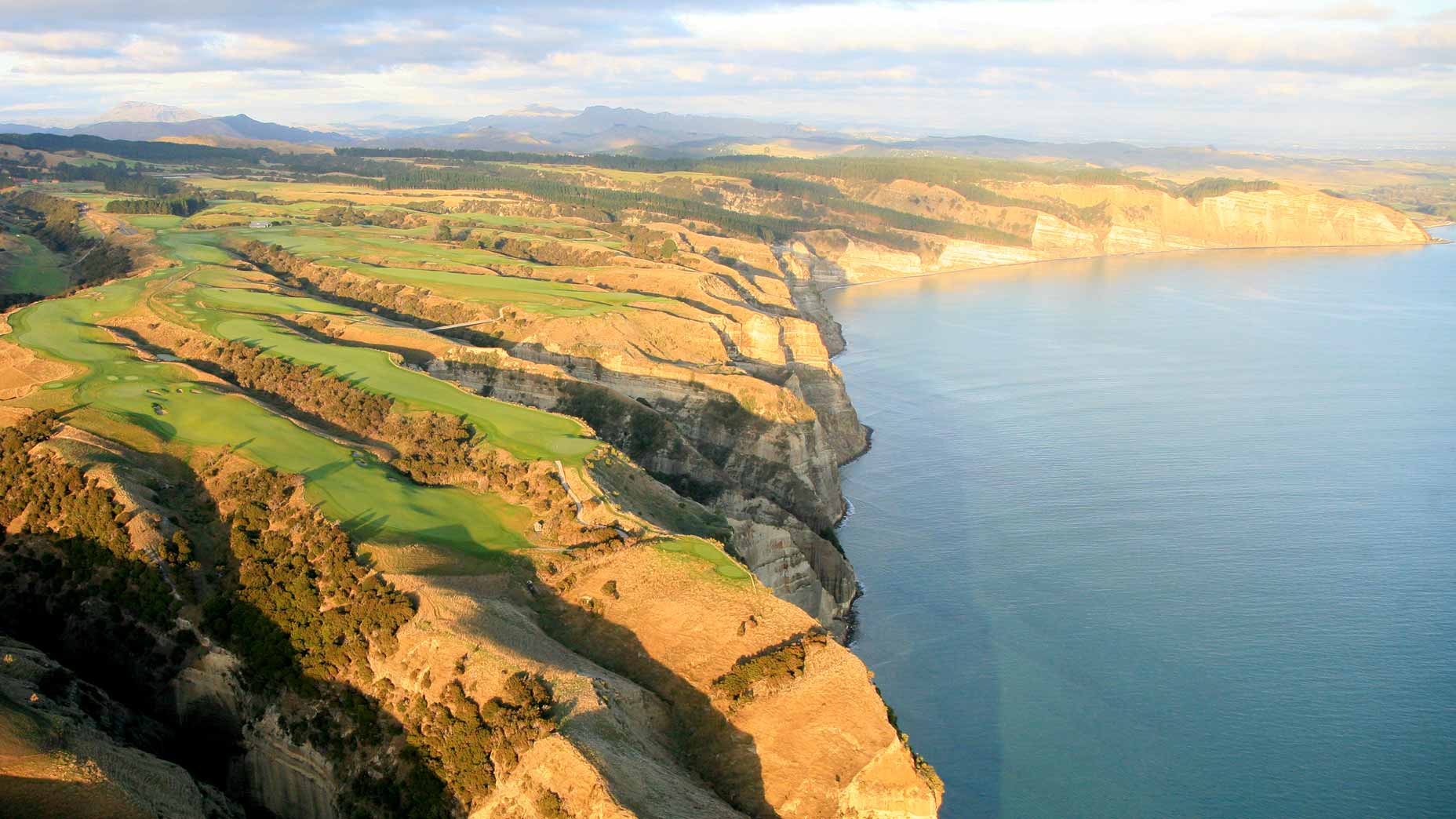
Cape Kidnappers stretches over finger-like ridges high above the Pacific. The ground-level strategy is as compelling as its aerial photographs.
Read the full story →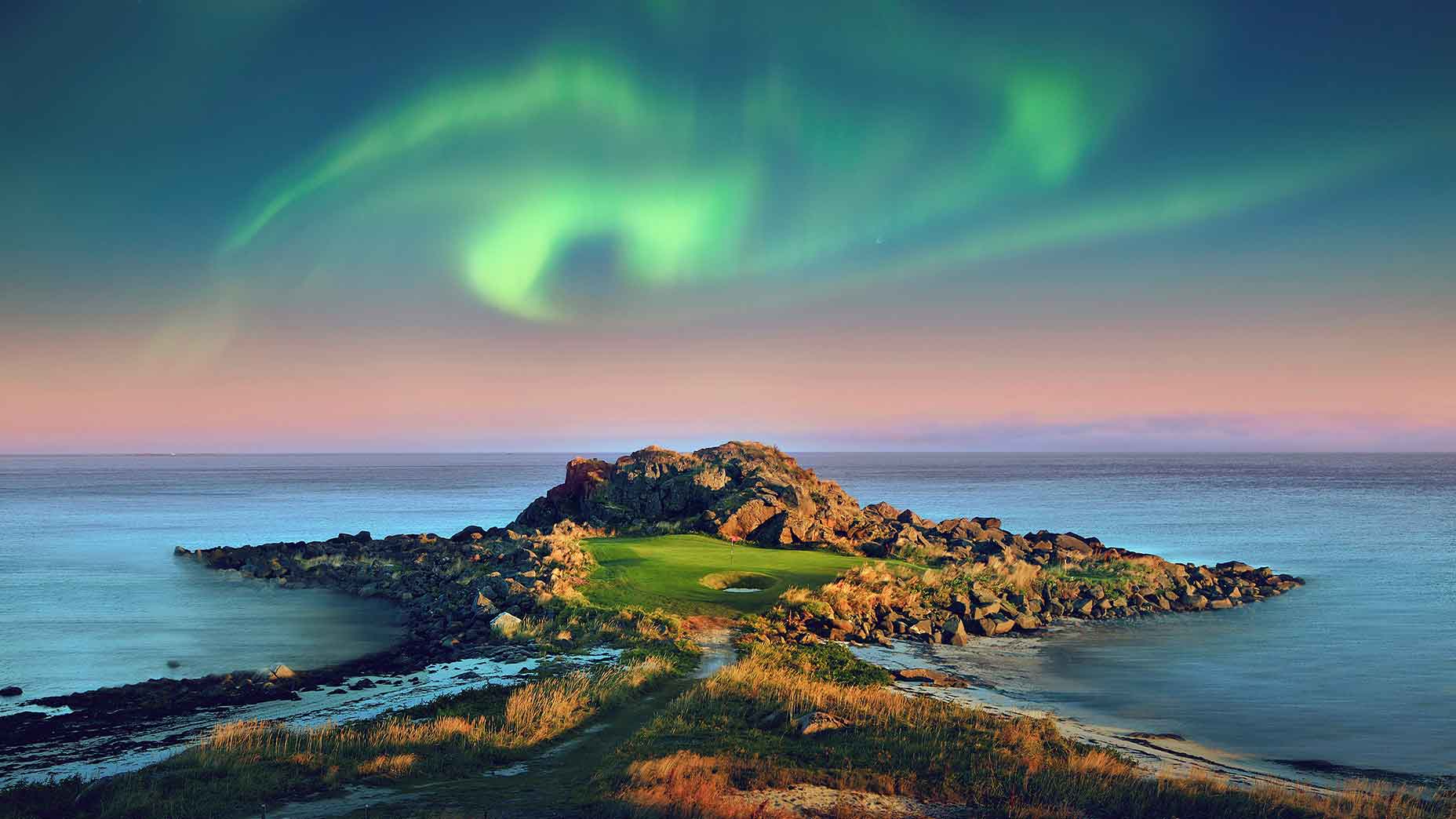
Lofoten Links brings golf to Norway's Arctic shoreline. Sea, mountains and changing northern light frame a startlingly remote round.
Read the full story →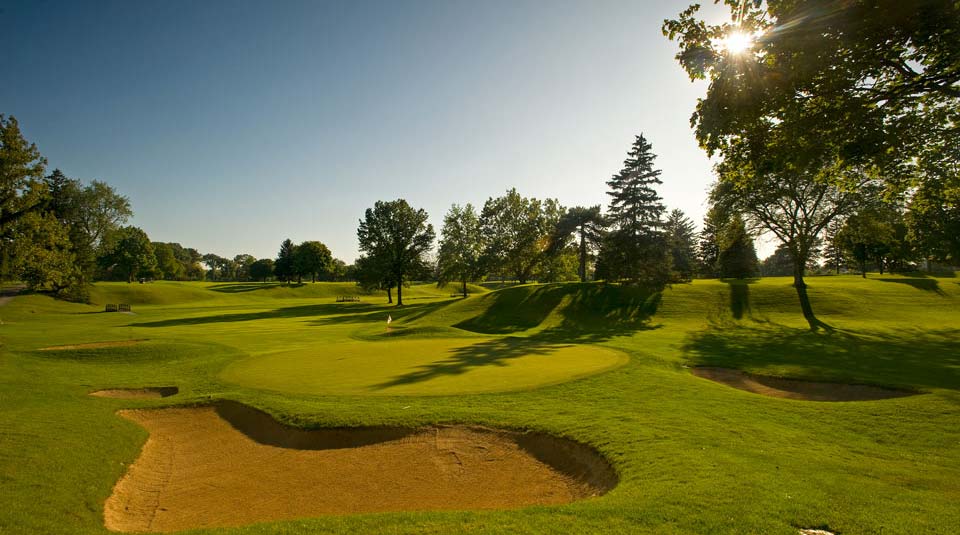
Donald Ross's Inverness has held major championships across generations. Thoughtful renovation restored the character of its greens and two-shot holes.
Read the full story →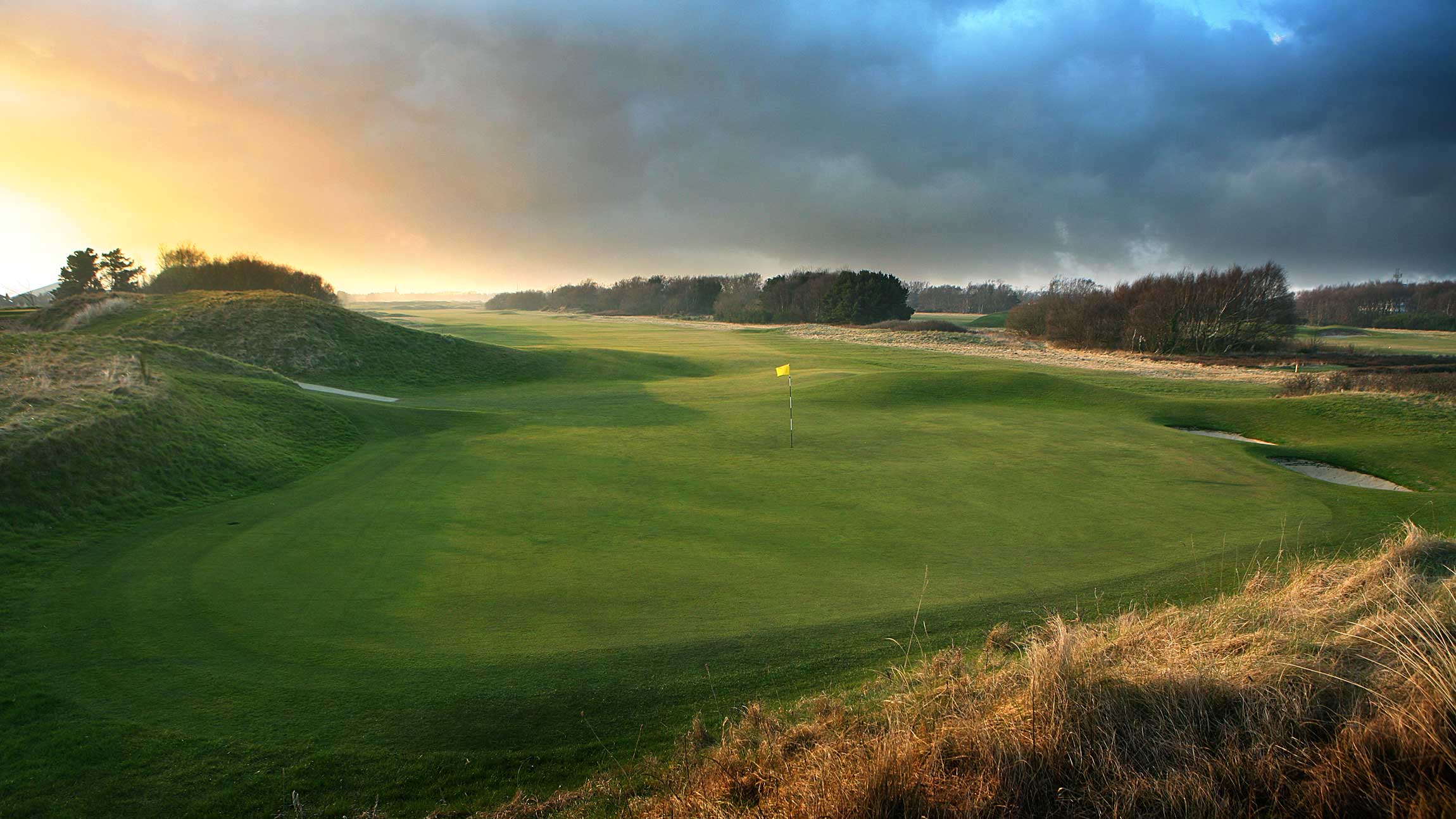
Royal Lytham's many bunkers make positional play essential. Adam Scott's collapse at the 2012 Open showed how quickly its closing stretch can change a championship.
Read the full story →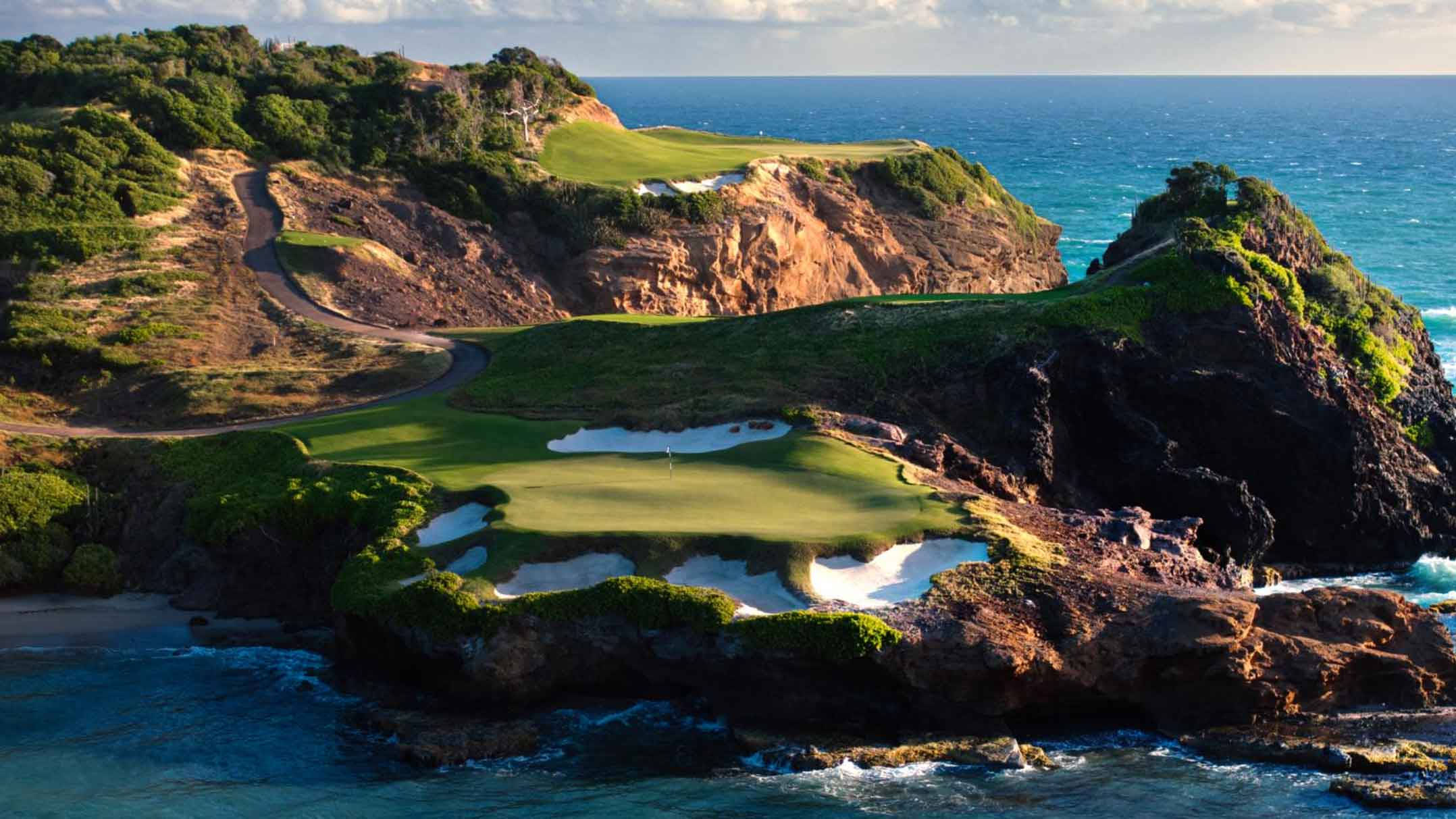
Coore and Crenshaw routed Point Hardy over St Lucia's rocky coastline. The ocean crossings turn tropical scenery into strategic decisions.
Read the full story →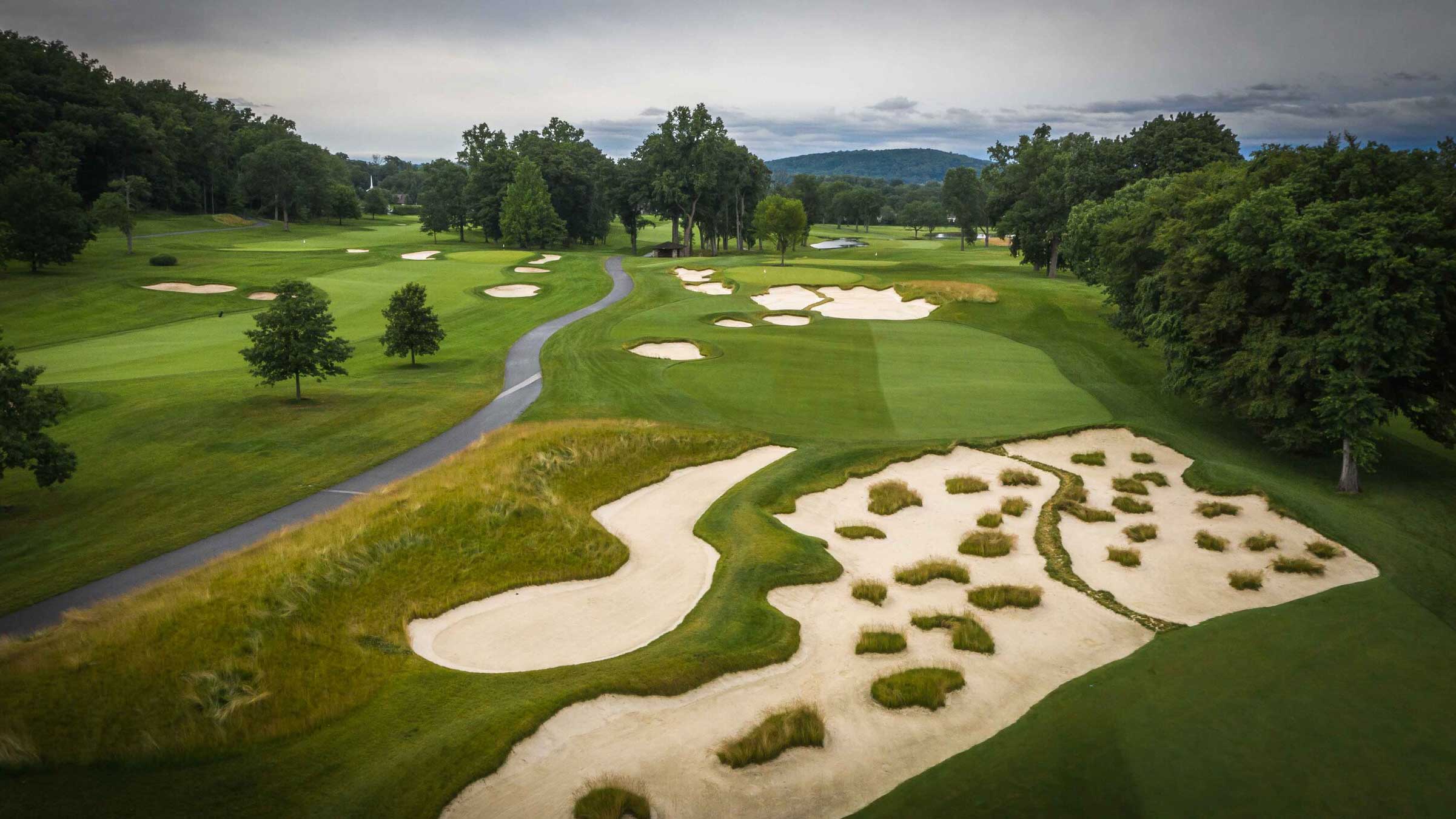
A.W. Tillinghast's Baltusrol Lower has repeatedly tested major fields. Restored bunkers and central hazards revive choices lost over time.
Read the full story →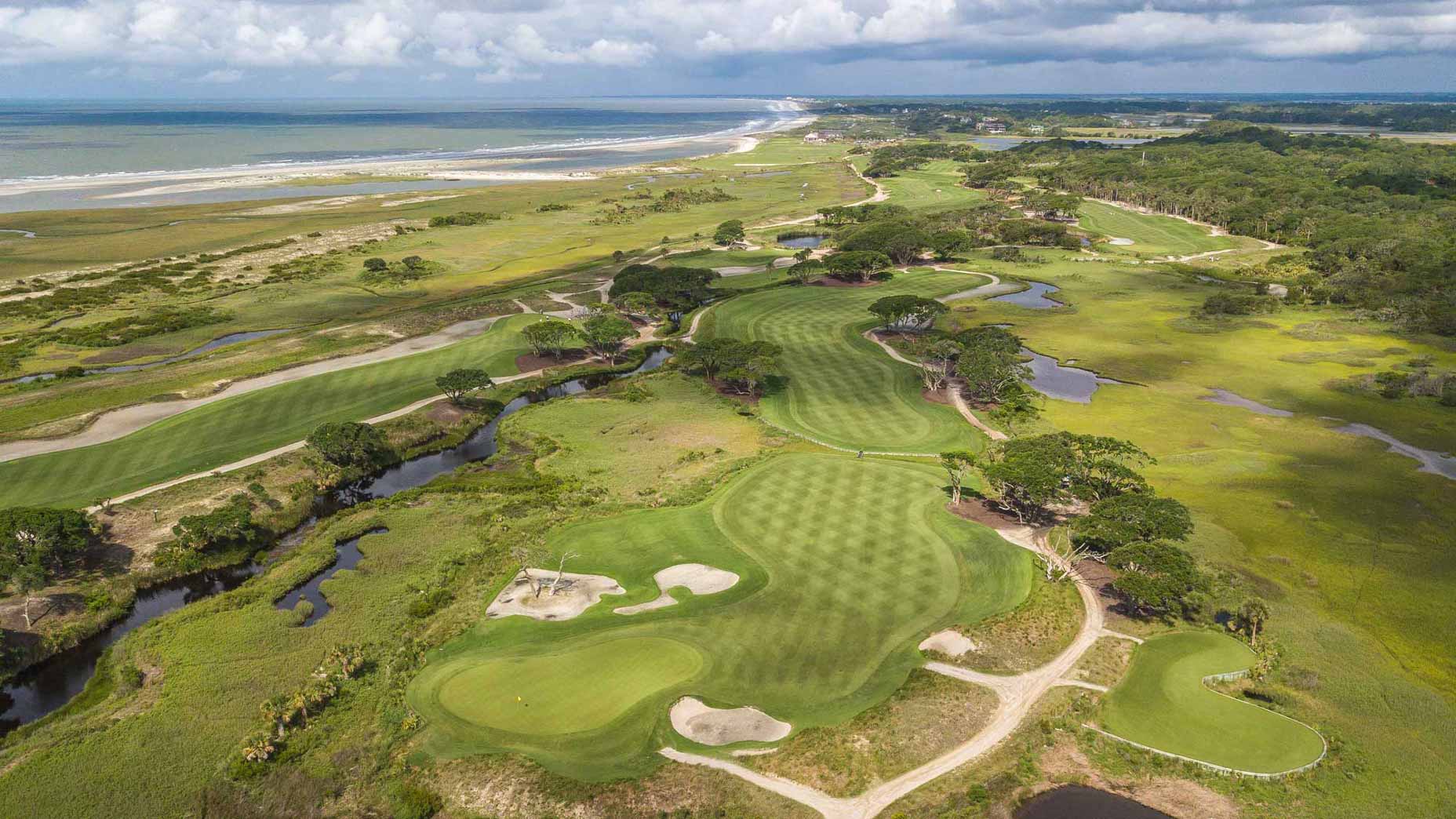
Pete Dye placed Kiawah's Ocean Course beside marsh and Atlantic wind. The 1991 Ryder Cup gave this exposed design an unforgettable debut on the world stage.
Read the full story →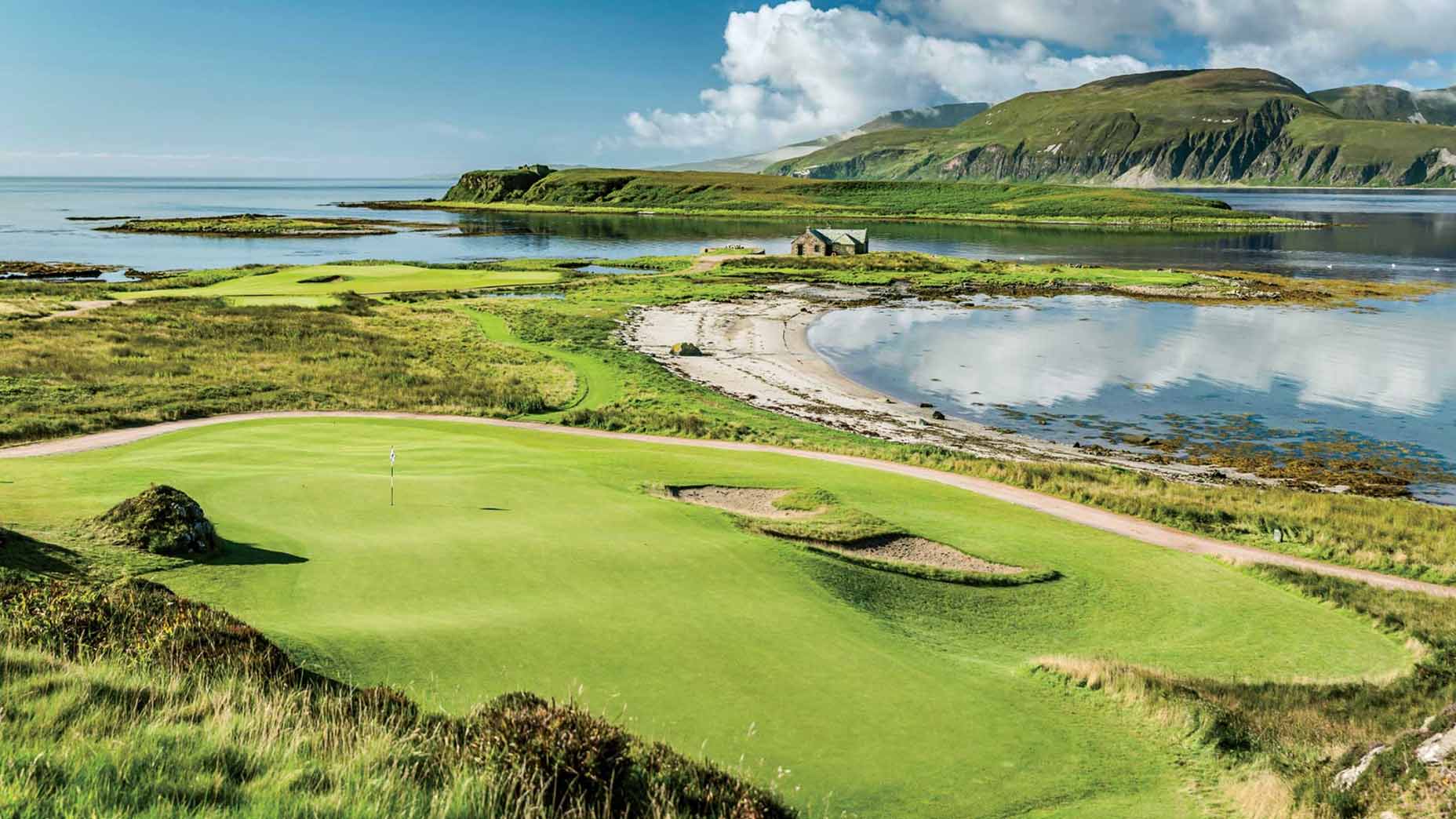
Ardfin crosses rugged ground on Scotland's Isle of Jura. Its scarcity of bunkers leaves the coastline and slopes to dictate much of the challenge.
Read the full story →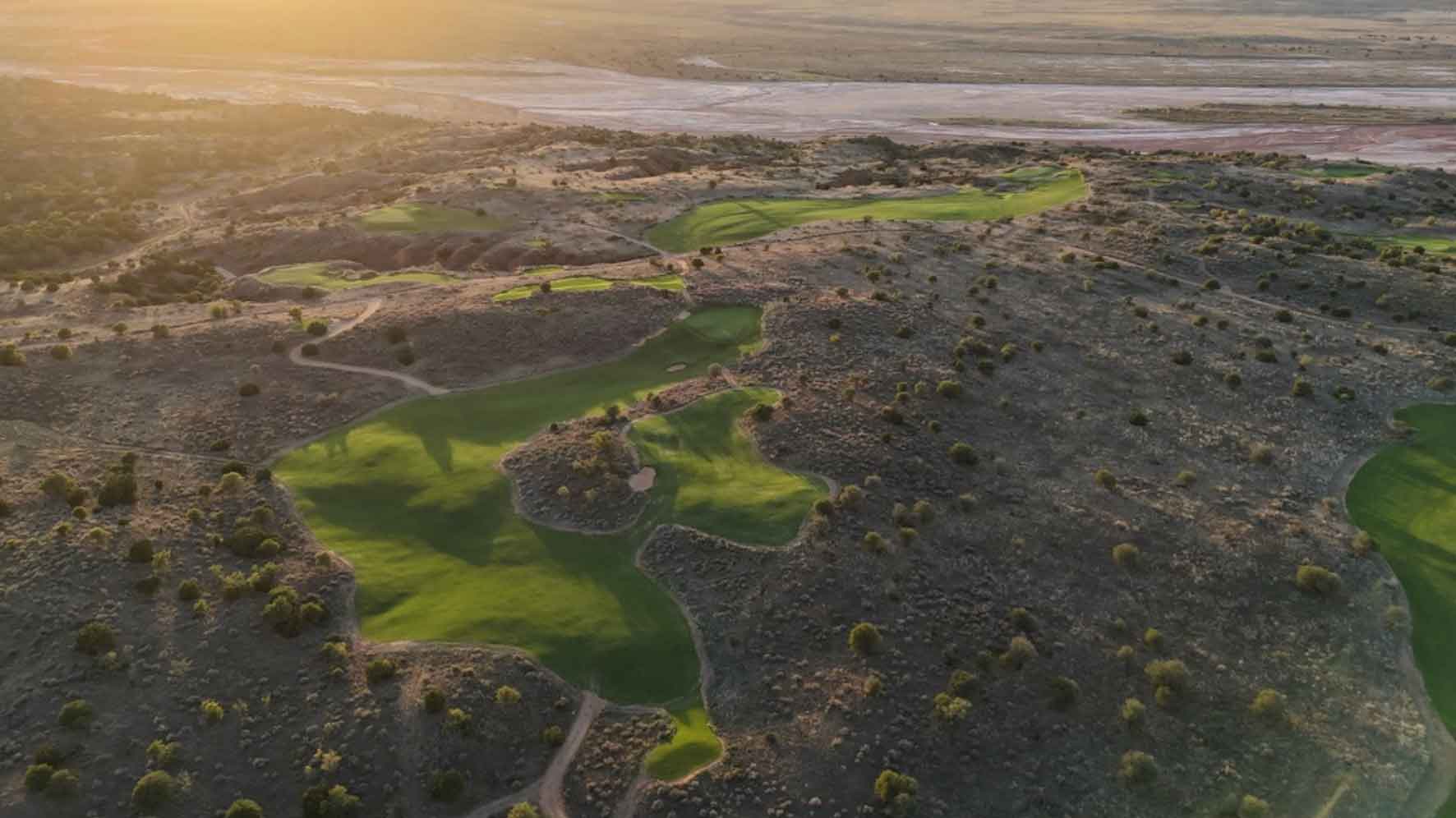
Childress Hall's Upper Course winds through wild Texas Panhandle sandhills. The windswept land makes a striking new canvas for golf architecture.
Read the full story →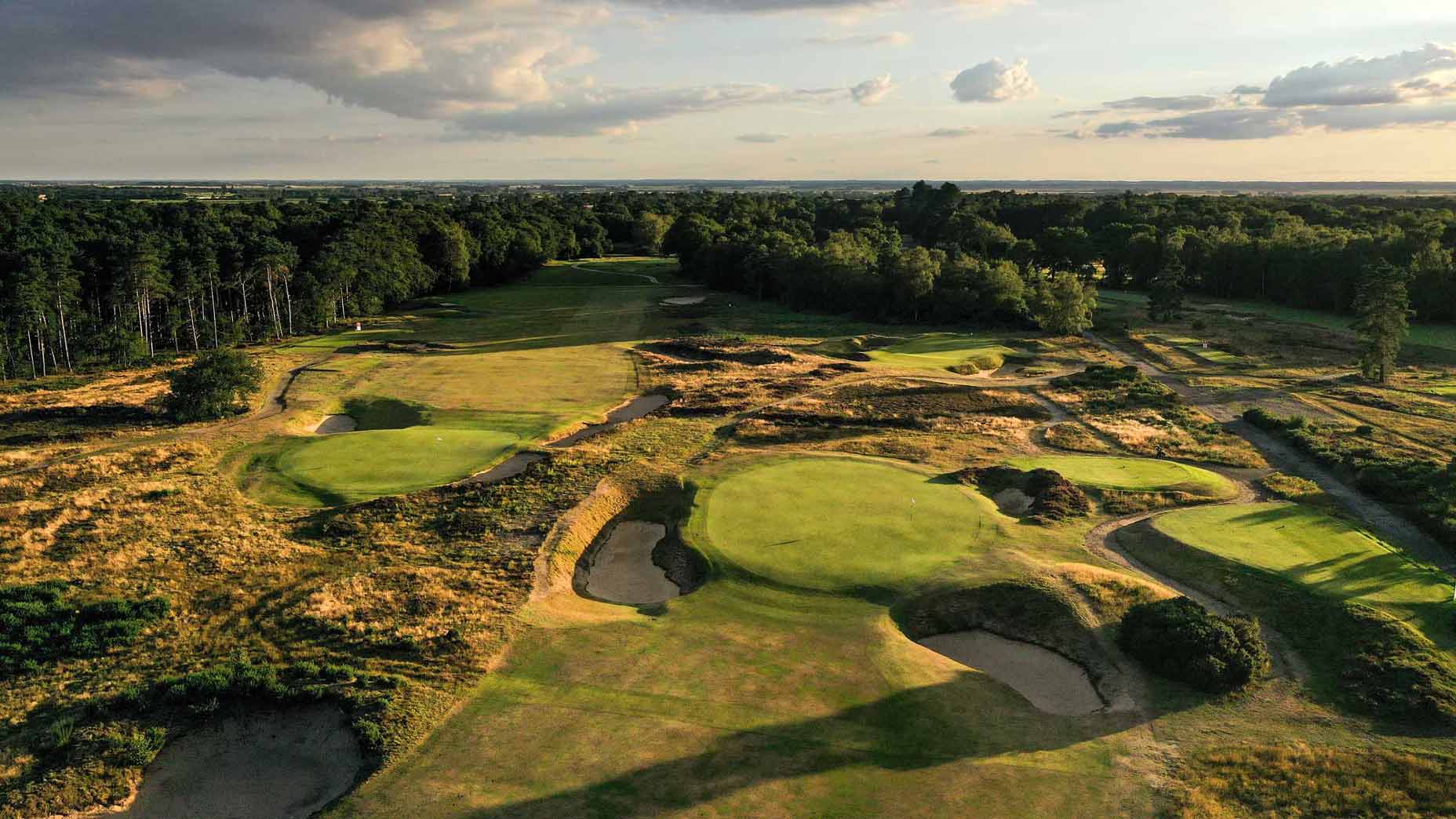
Deep, often punishing bunkers are Woodhall Spa's signature. The Hotchkin Course proves that inland English golf can be as exacting as a seaside links.
Read the full story →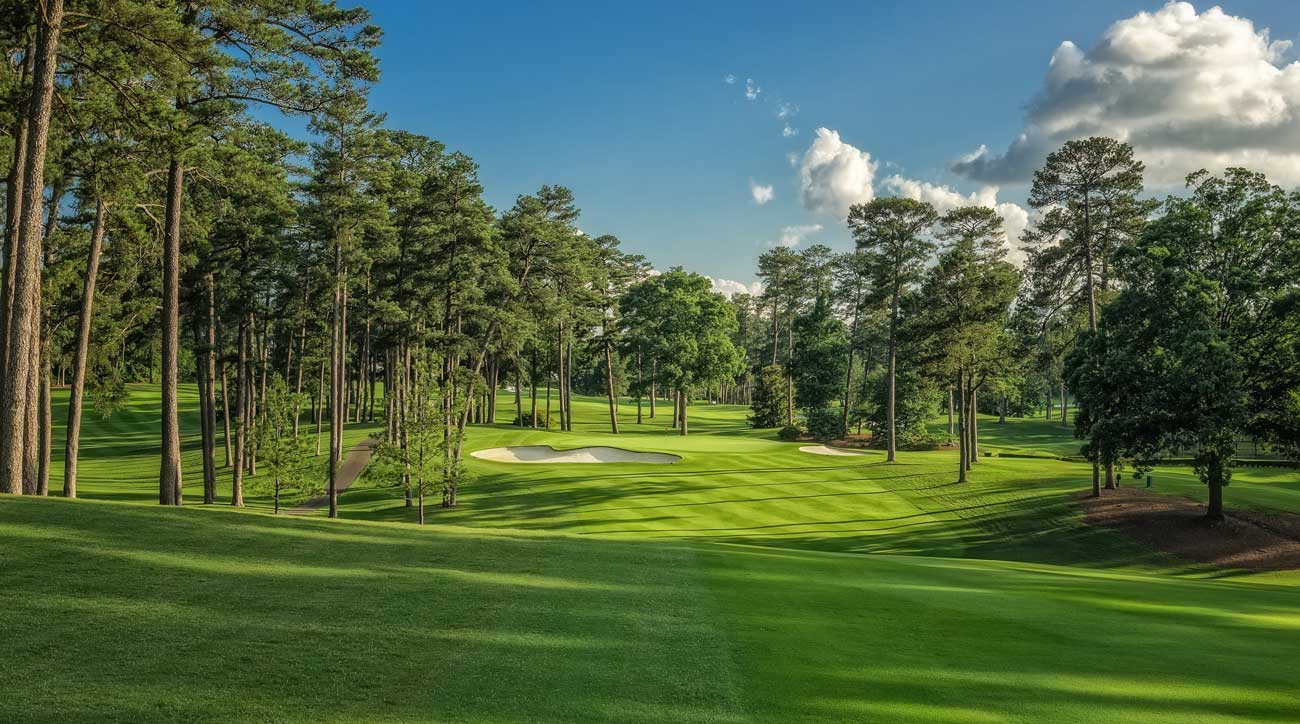
Robert Trent Jones Sr. designed Peachtree early in his career. Its generous scale and strategic questions show a different side of his work.
Read the full story →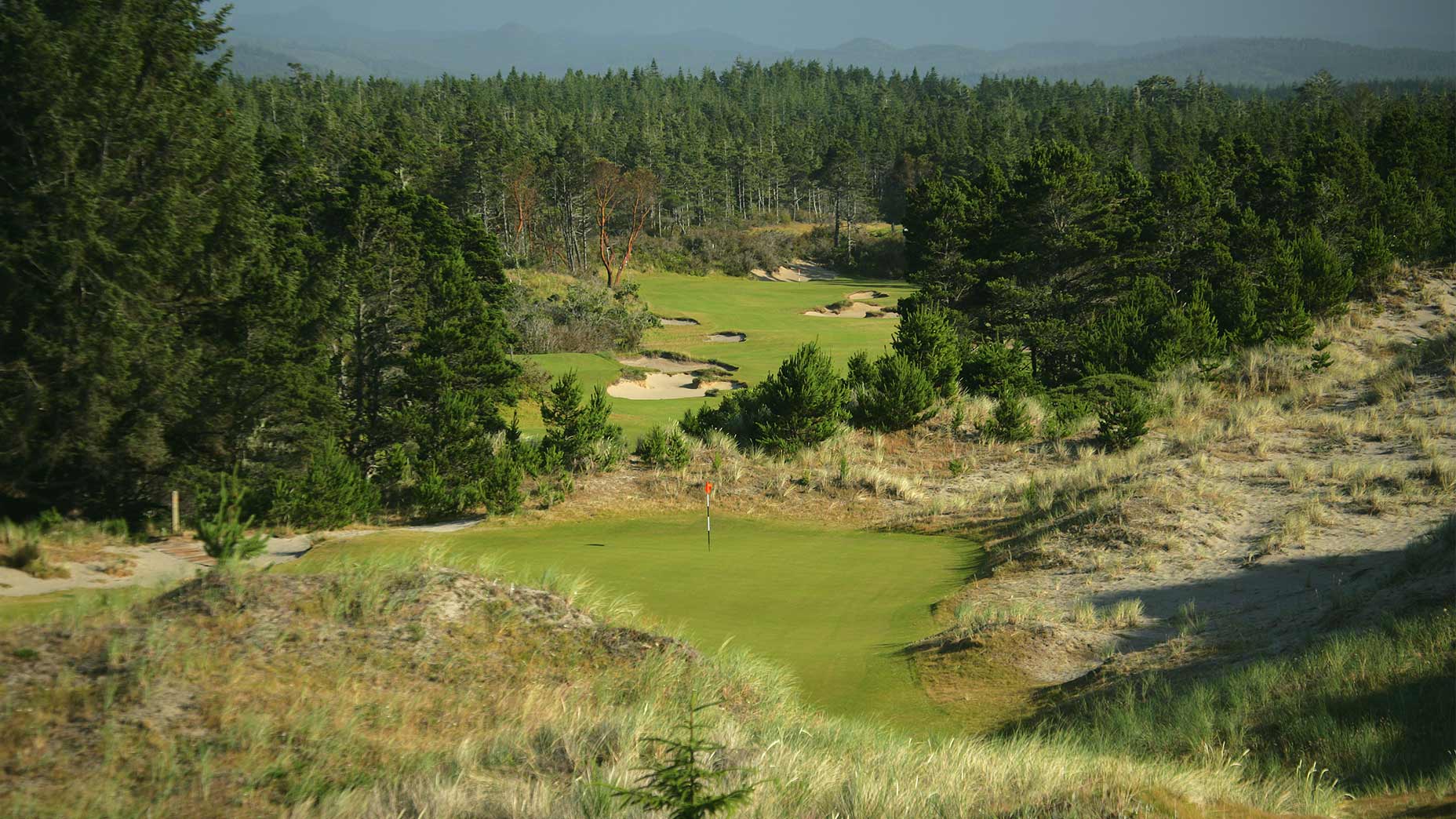
Bandon Trails begins in coastal dunes, slips through forest and returns to open ground. Coore and Crenshaw made the landscape change part of the story.
Read the full story →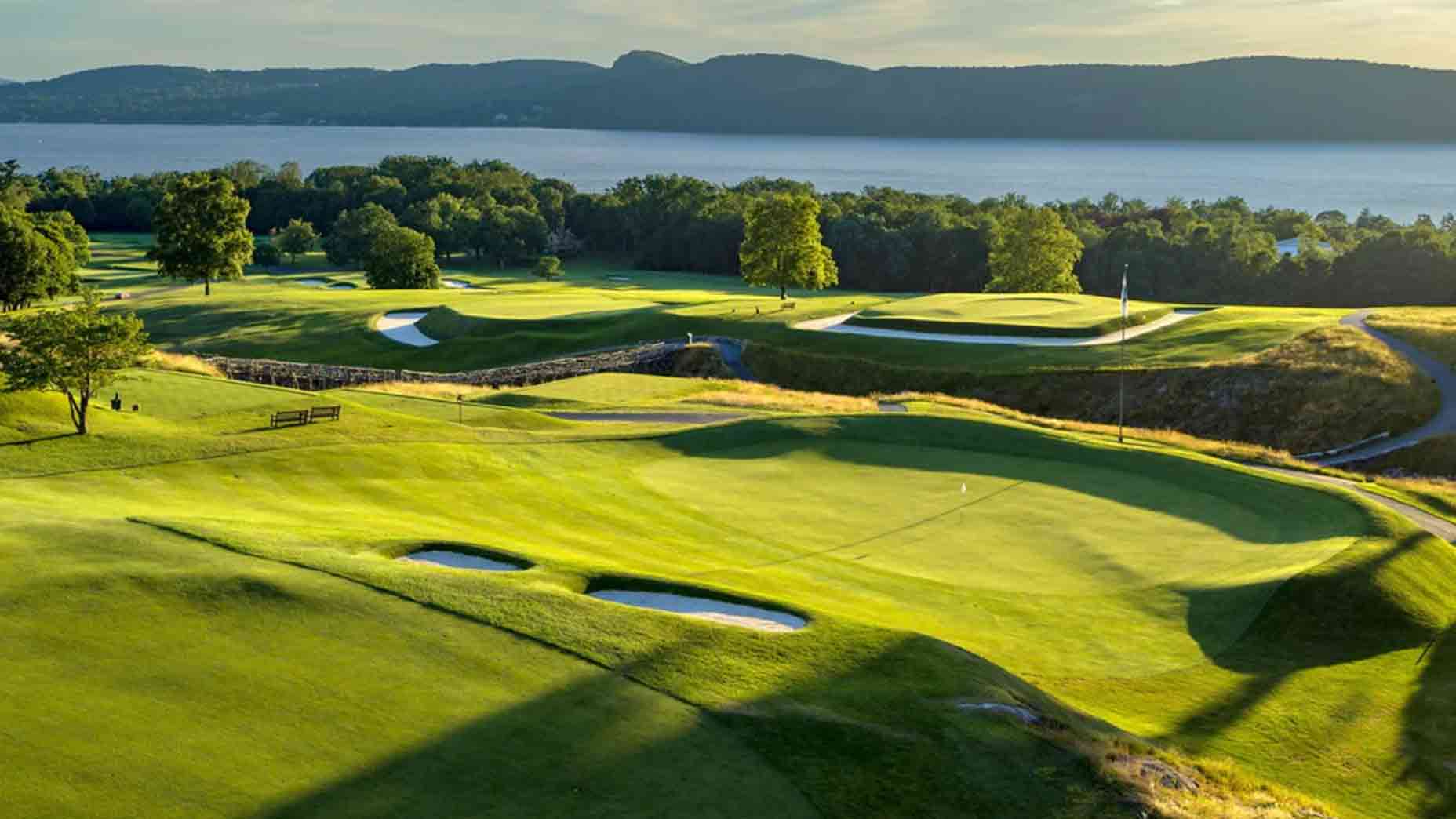
Sleepy Hollow overlooks the Hudson River from its Westchester hillside. Restoration helped its holes match the drama of the scenery.
Read the full story →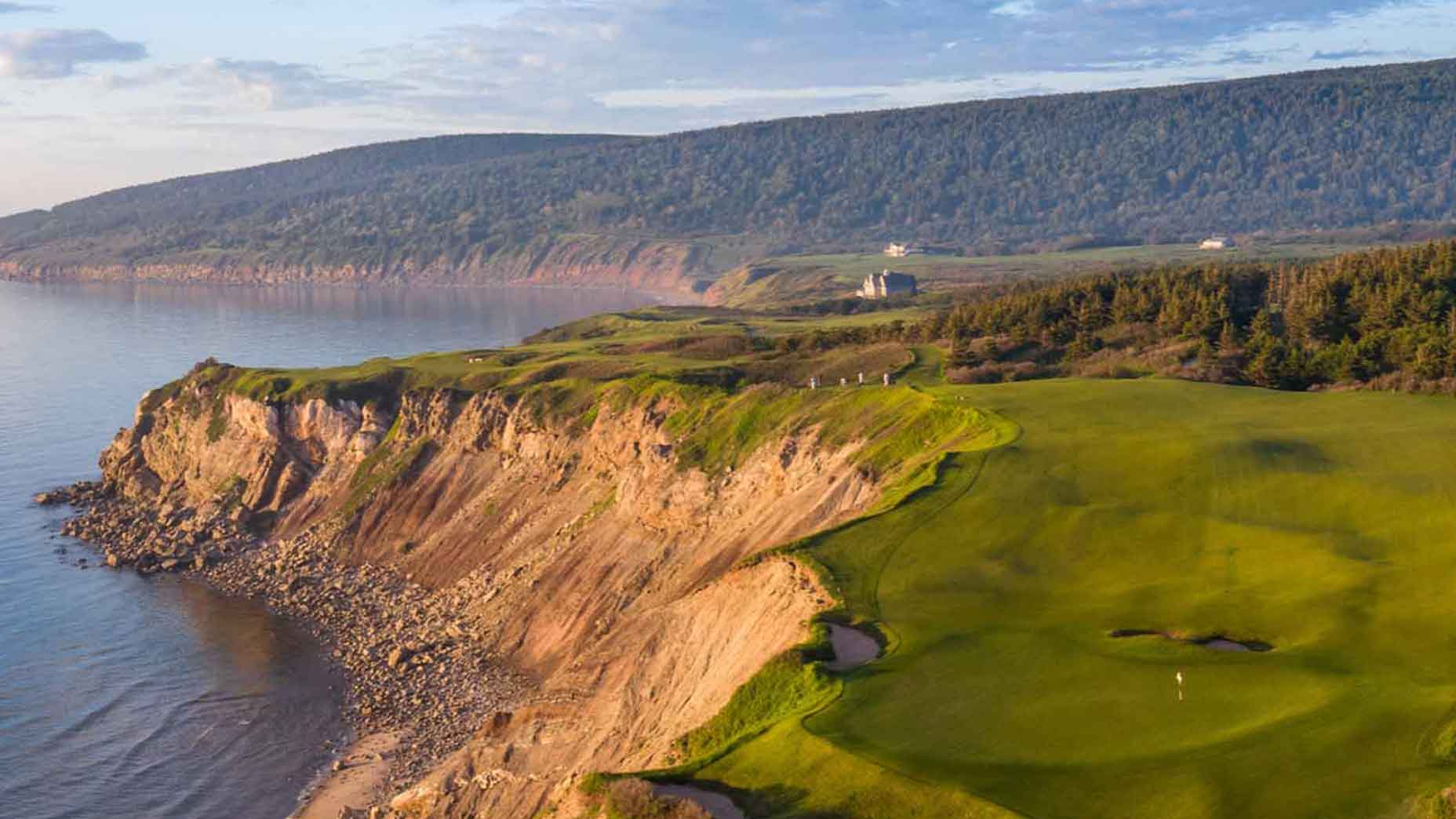
Cabot Cliffs rises from Nova Scotia dunes to high ocean bluffs. Coore and Crenshaw's routing turns the last stretch into a memorable cliffside finish.
Read the full story →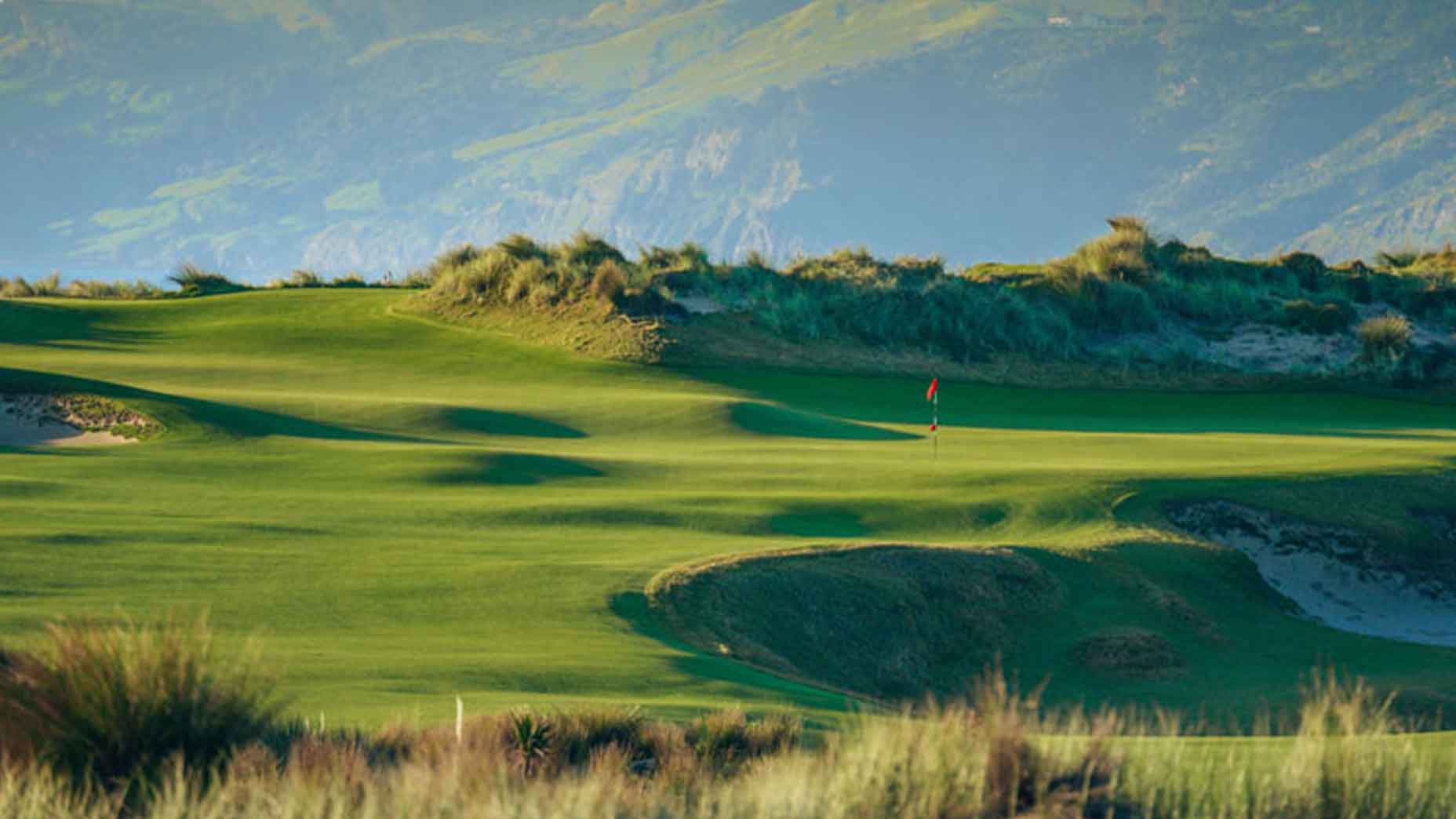
Te Arai South brings wide, sandy fairways to New Zealand's coast. Coore and Crenshaw let the ground's movement create the test.
Read the full story →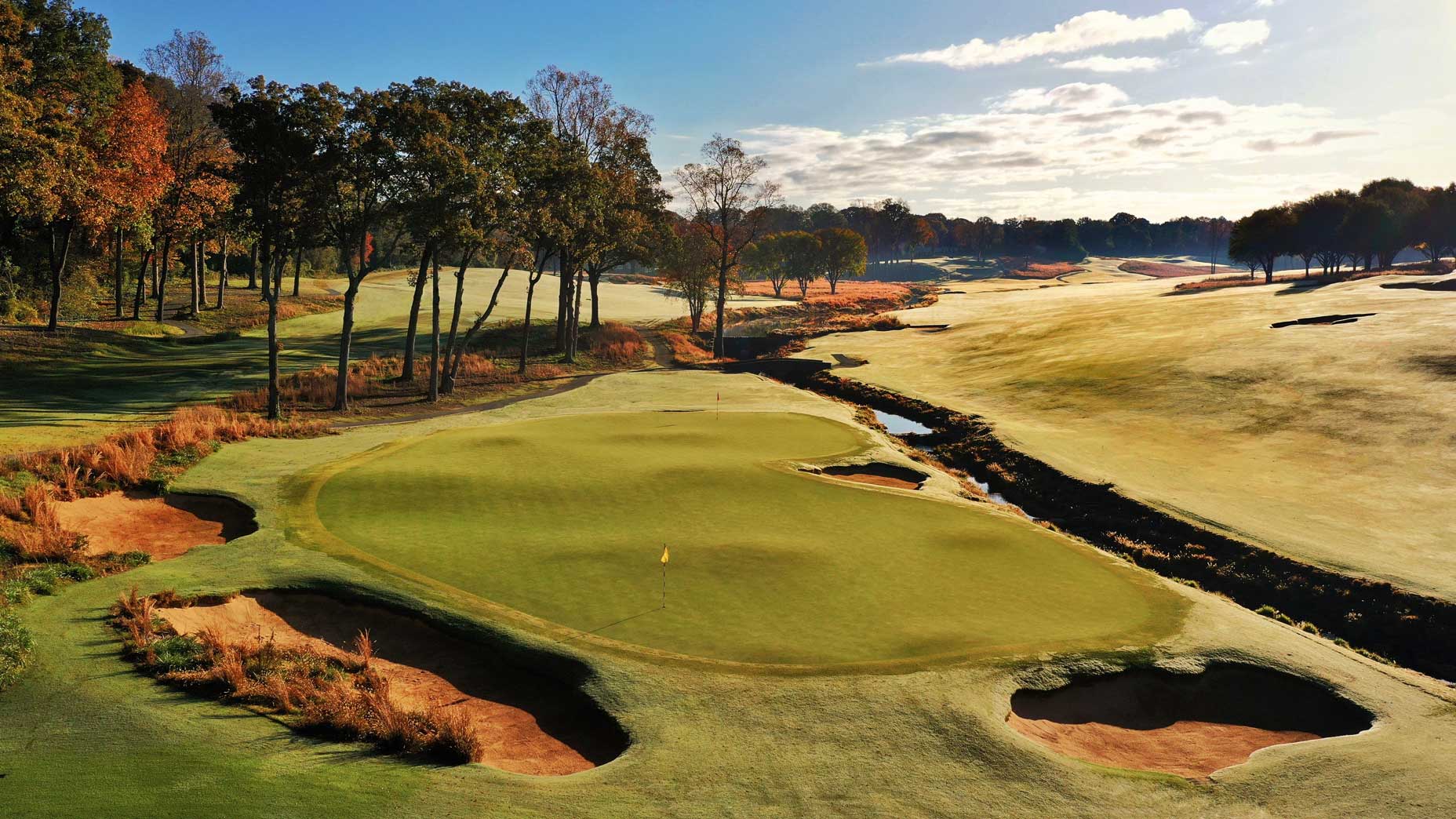
Old Town's restoration reconnected fairways, creek beds and native grasses. The North Carolina course now reveals more of Perry Maxwell's intended strategy.
Read the full story →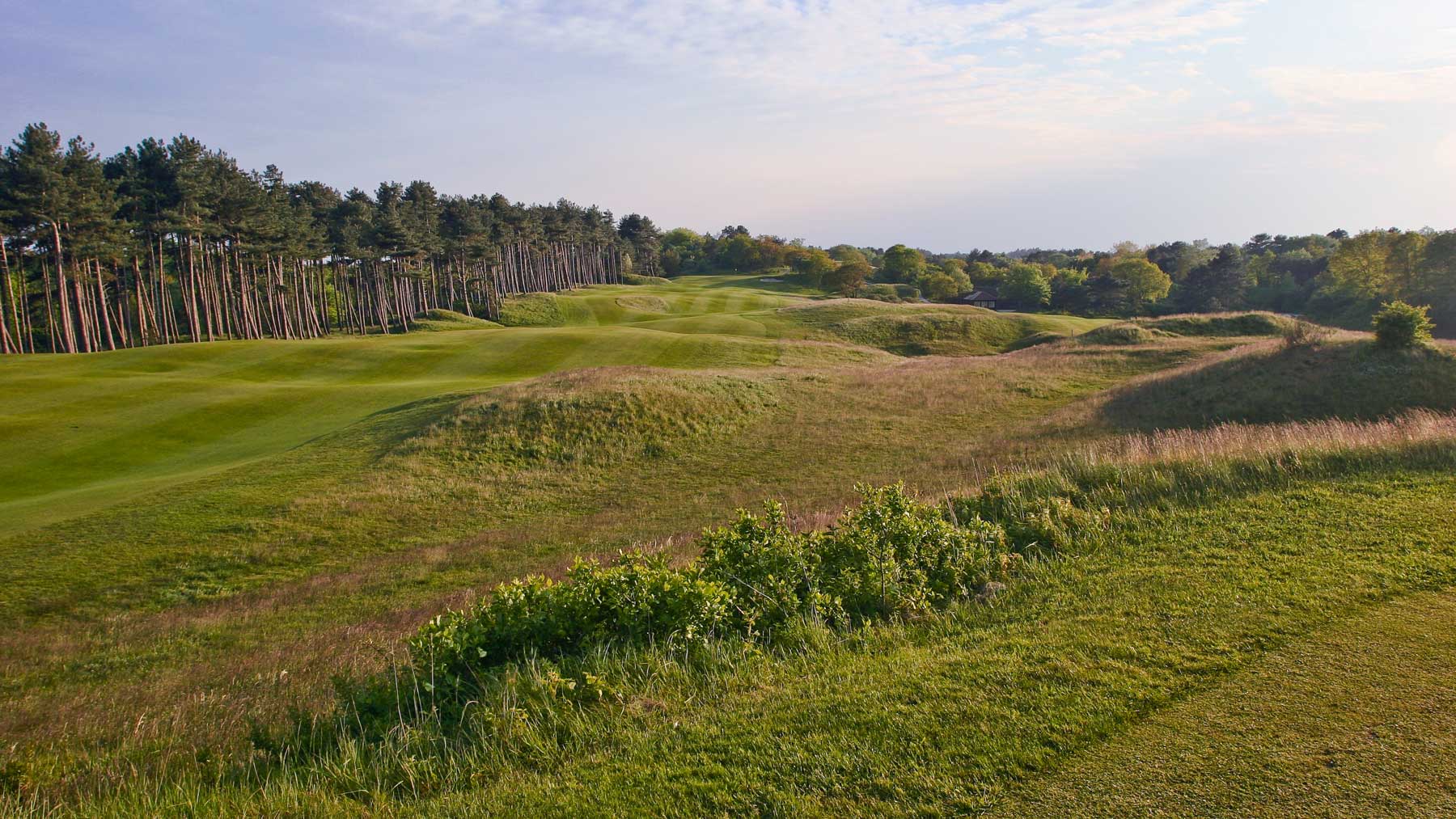
At Royal Hague, rolling dunes make fairway lies unpredictable. Colt and Alison used the Dutch coast's movement as the central design feature.
Read the full story →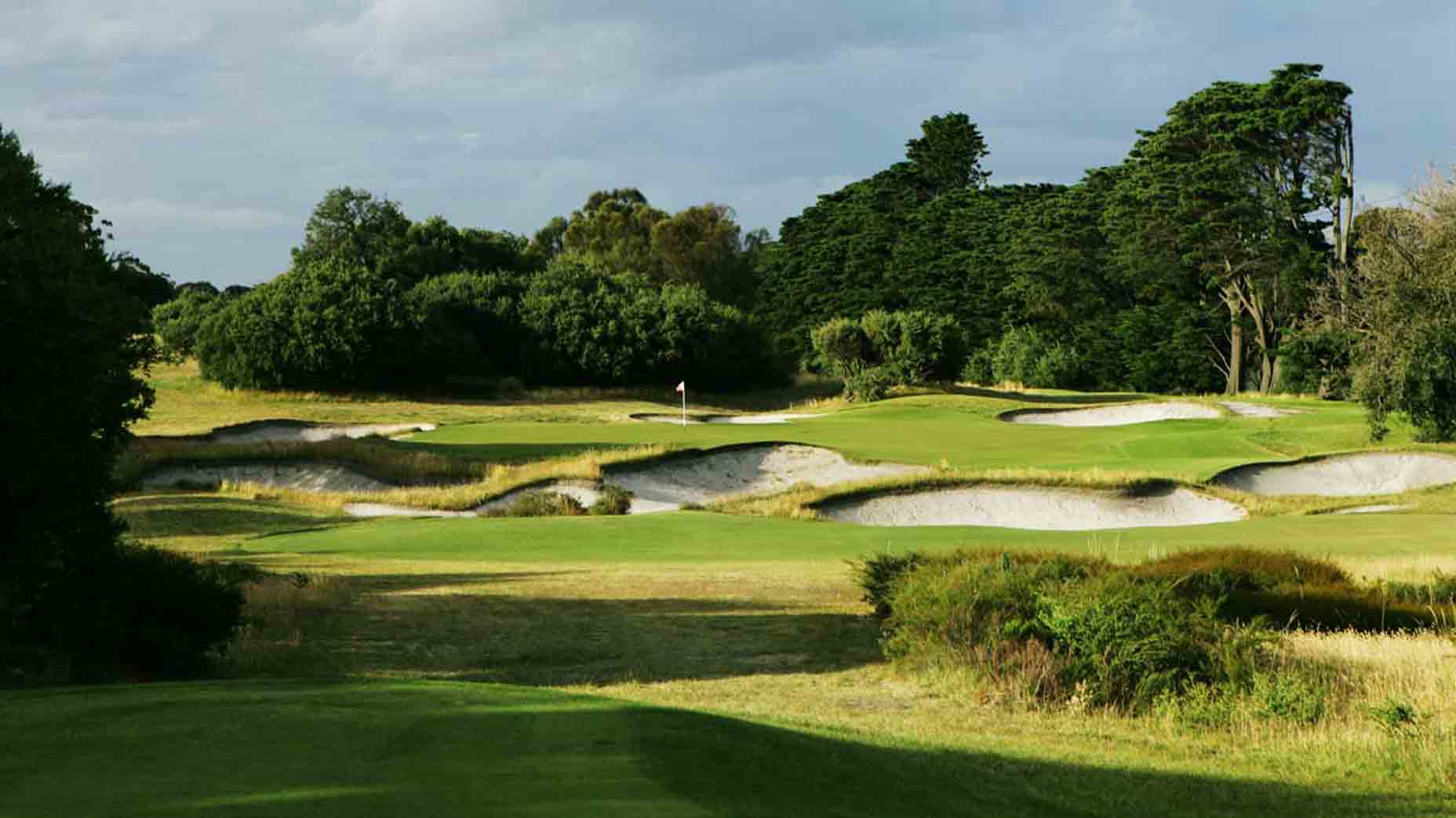
Royal Melbourne East shares the Sandbelt's firm turf and bold bunkers. Alex Russell's routing holds its own alongside the celebrated West Course.
Read the full story →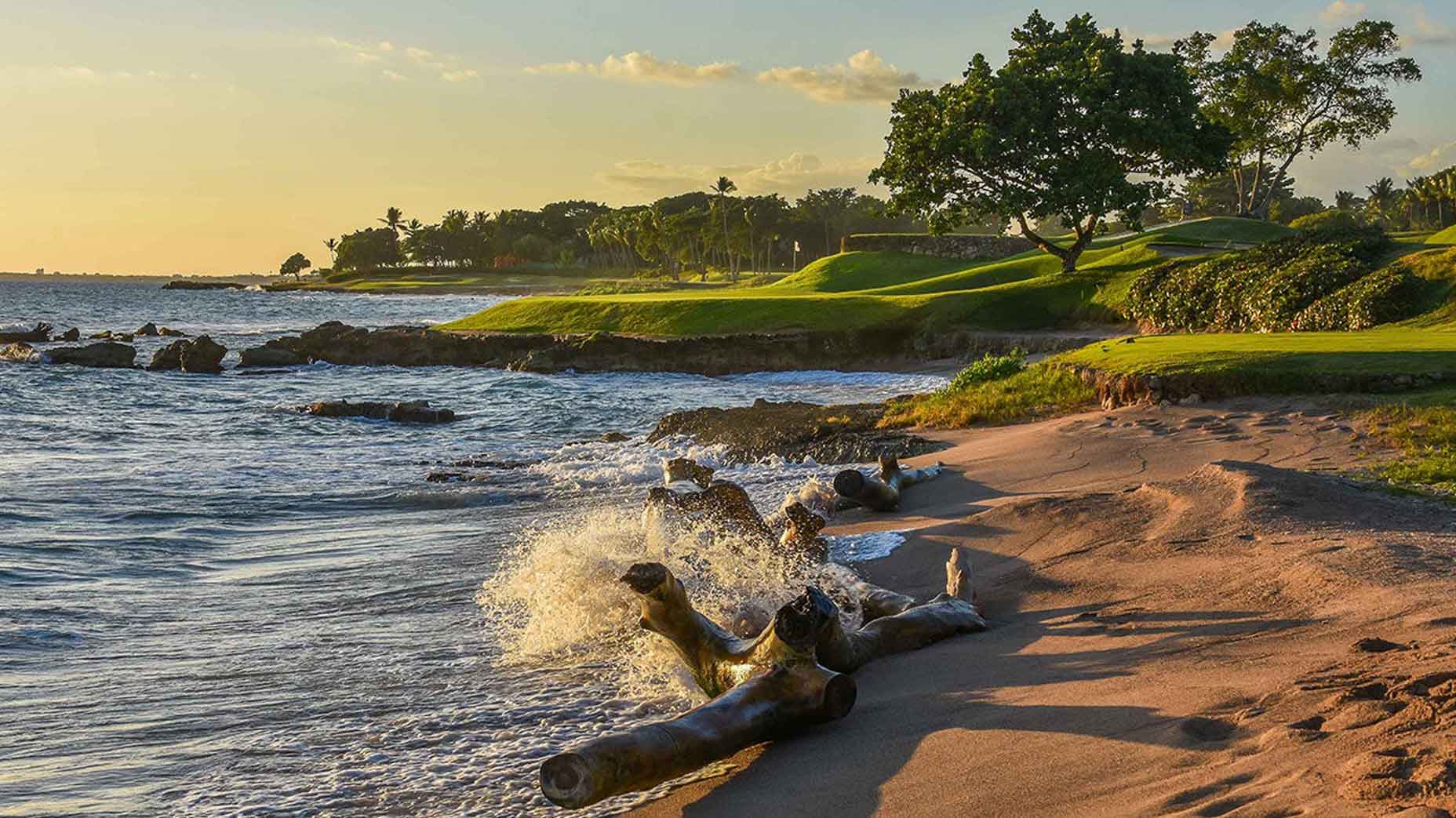
Pete Dye's Teeth of the Dog follows the Dominican Republic shoreline. Its seaside holes helped put Caribbean golf on the world map.
Read the full story →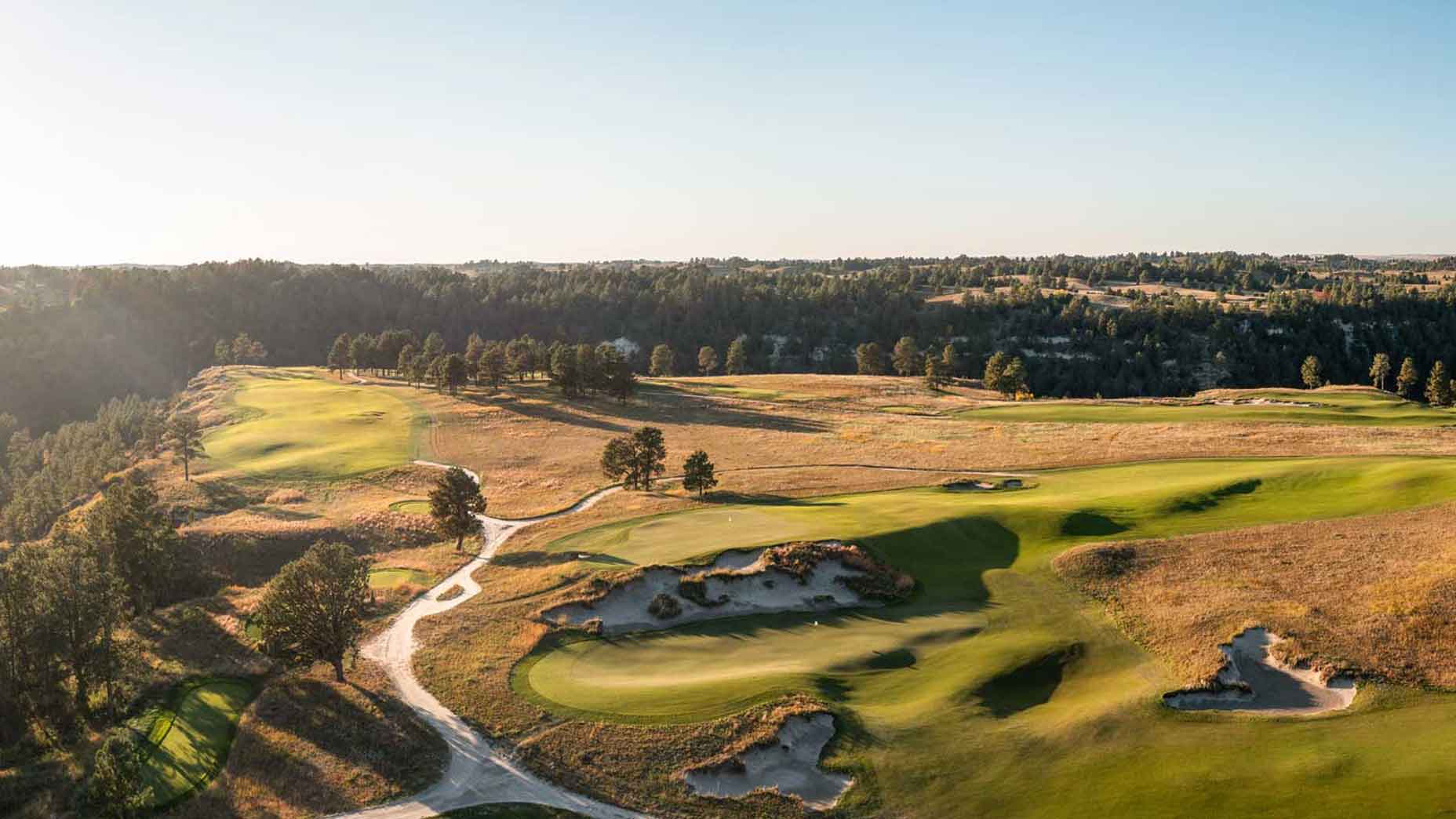
CapRock Ranch frames holes with Nebraska's Snake River valley. Gil Hanse and Jim Wagner used the land's sharp edges for both views and decisions.
Read the full story →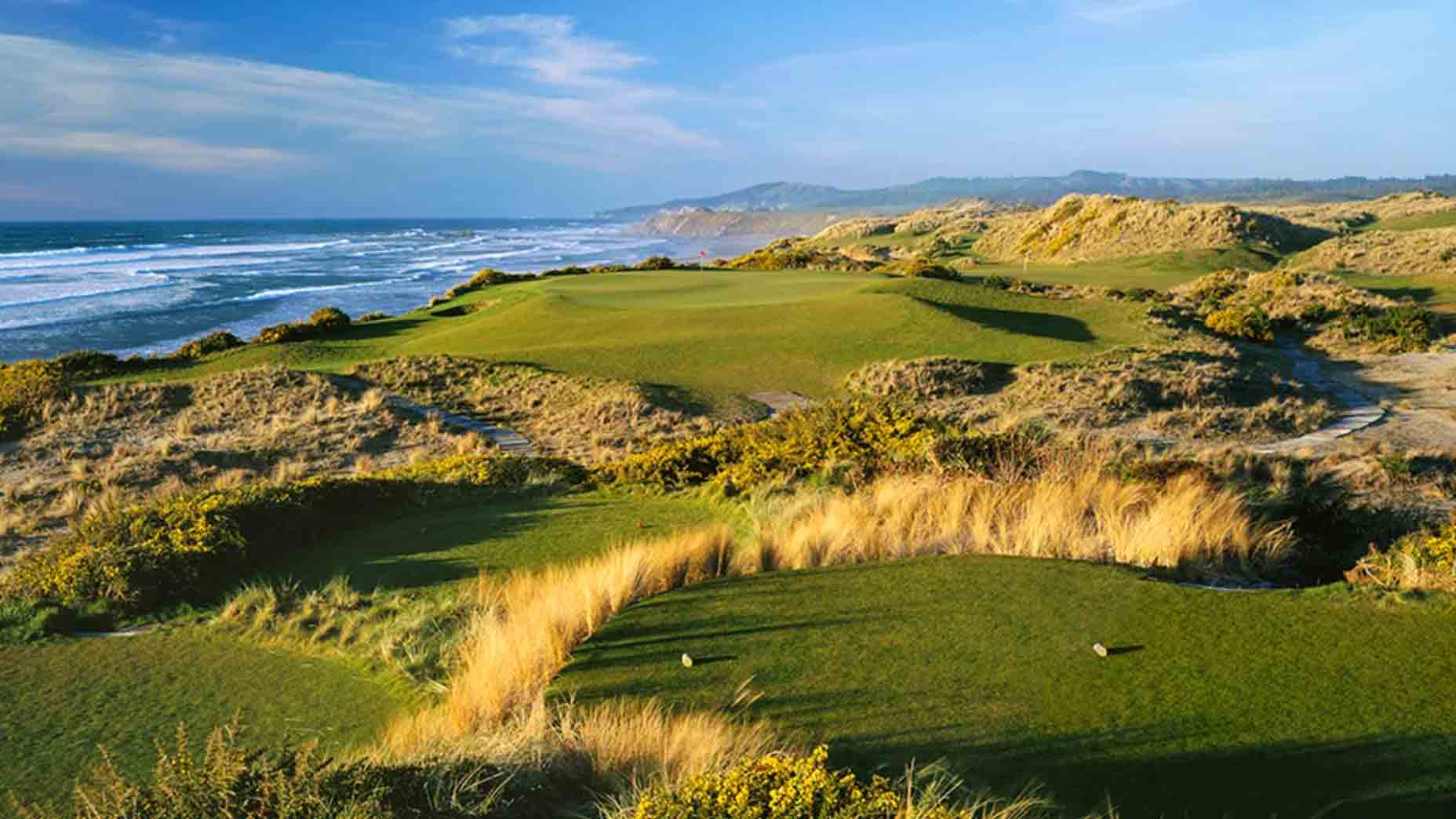
David McLay Kidd's Bandon Dunes introduced the Oregon resort to the world. Its ocean-facing holes made walking links golf an American destination.
Read the full story →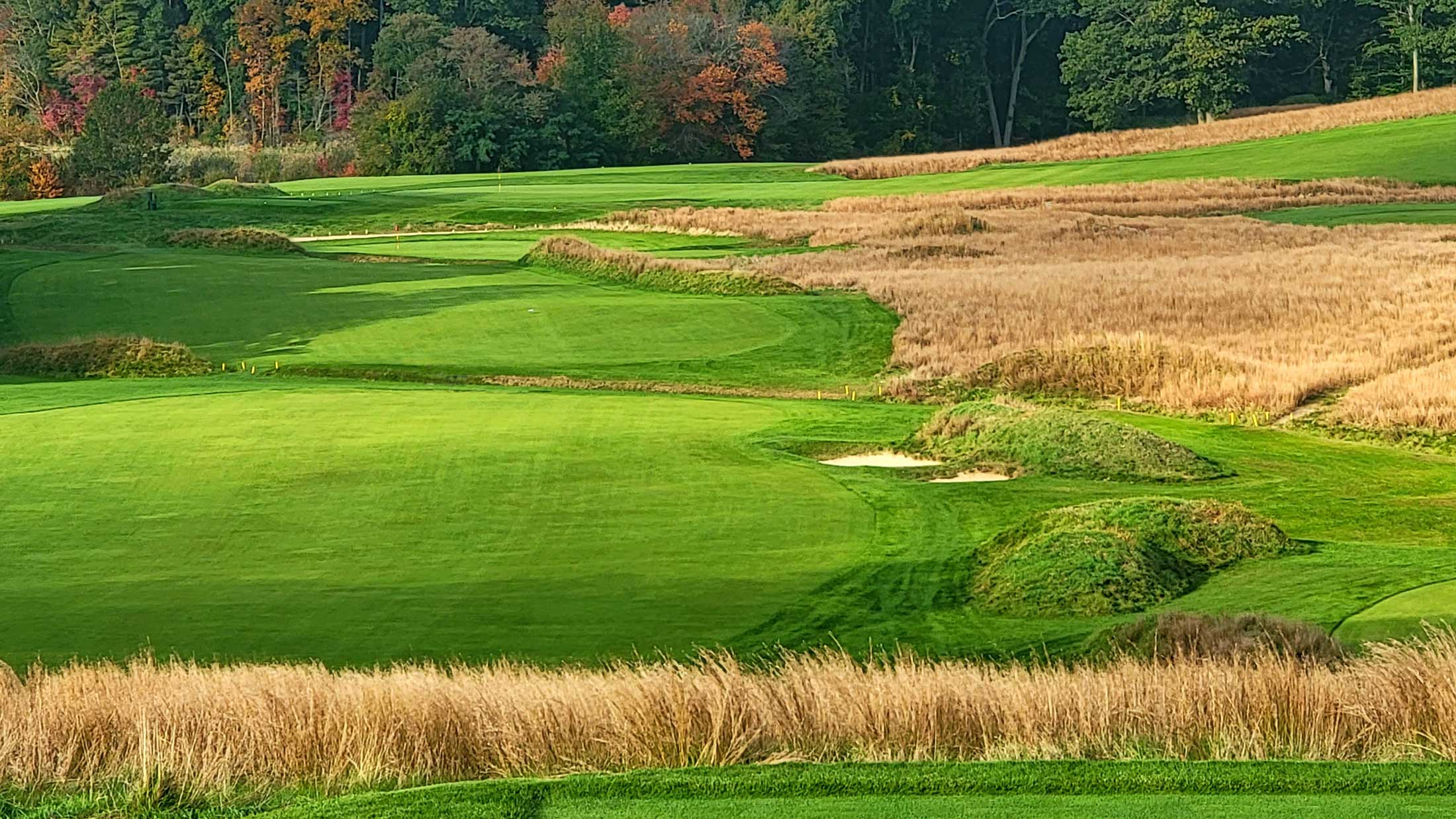
Myopia Hunt Club hosted four early U.S. Opens. Its old-fashioned New England test survives without needing modern championship scale.
Read the full story →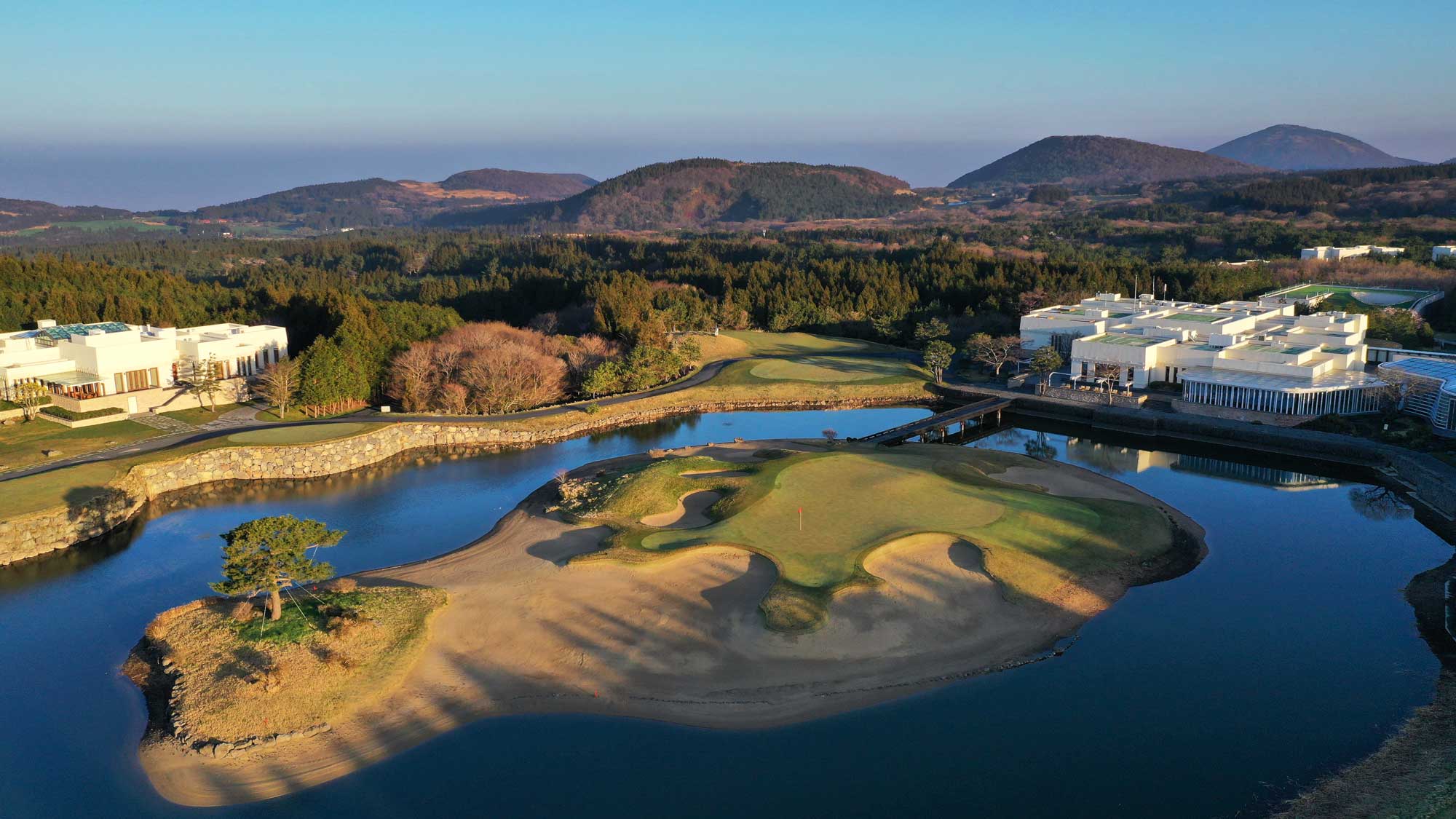
Nine Bridges crosses Jeju Island's wooded hills below Mount Halla. Lakes and streams join its elevation changes in defining the round.
Read the full story →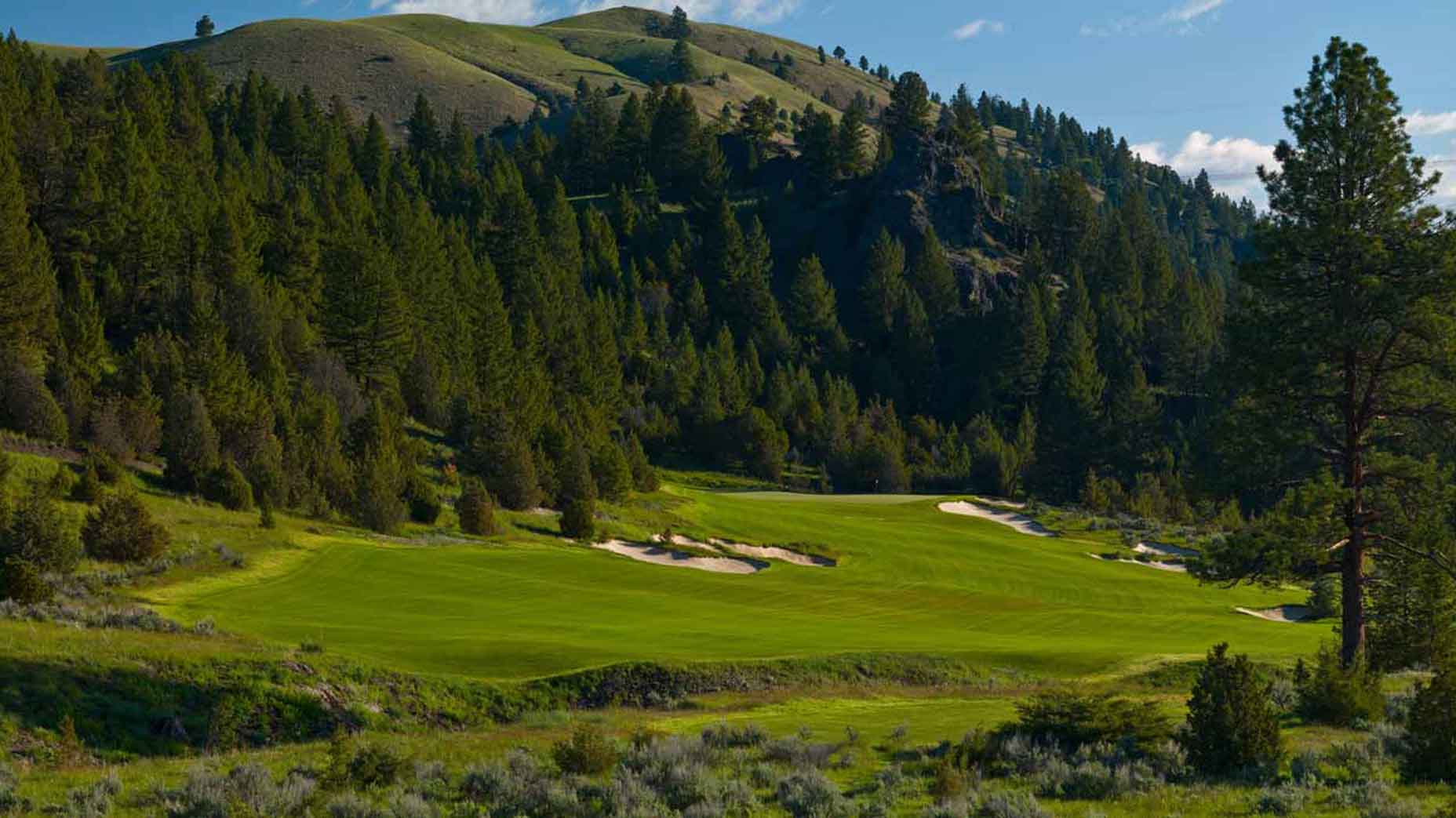
Tom Doak took advantage of Montana's expansive valley at Rock Creek. Its inland setting offers a different sort of drama from his coastal courses.
Read the full story →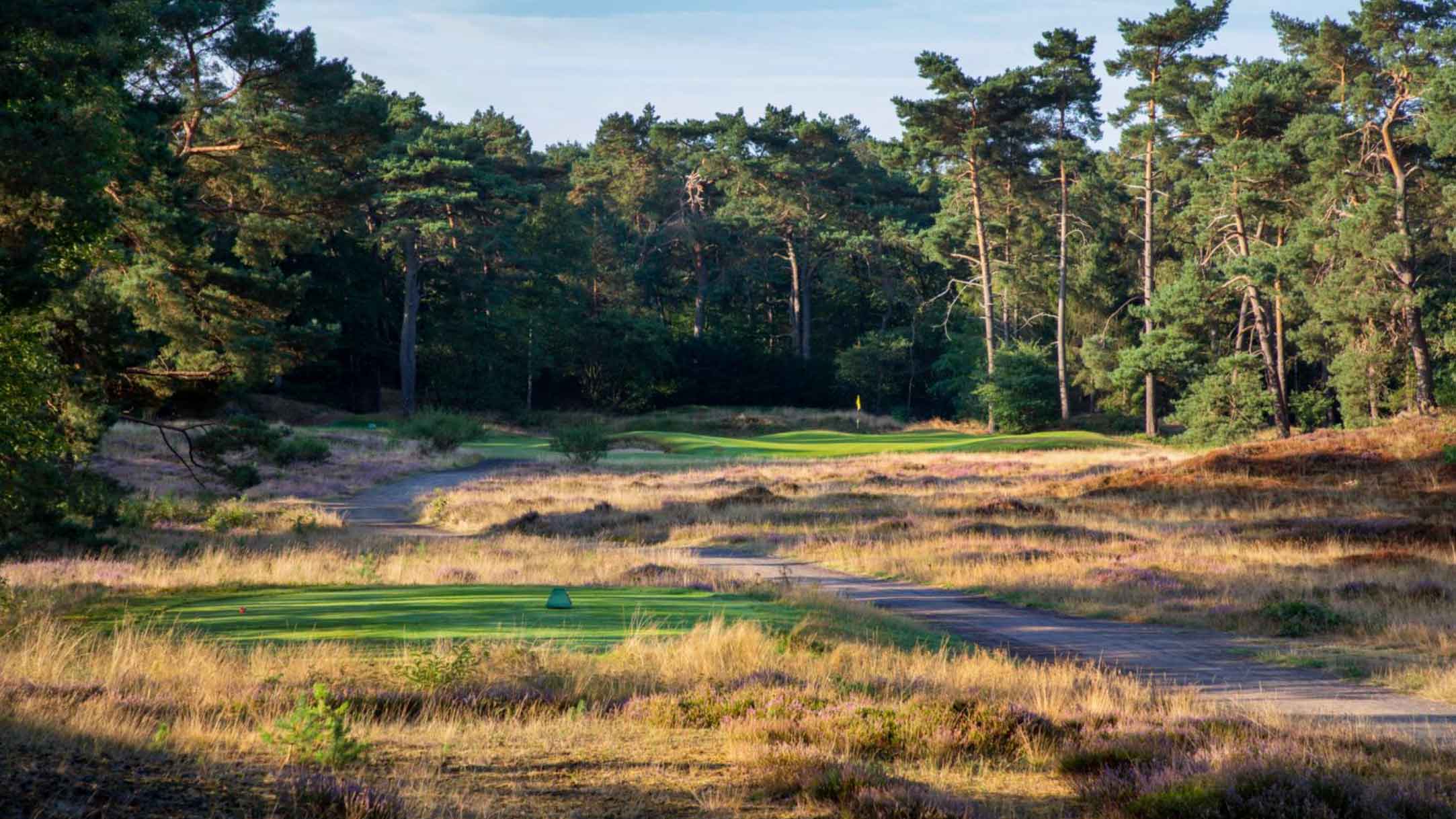
Harry Colt gave Utrecht de Pan a gentle, strategic rhythm. Heather and woodland make the Dutch course more subtle than spectacular.
Read the full story →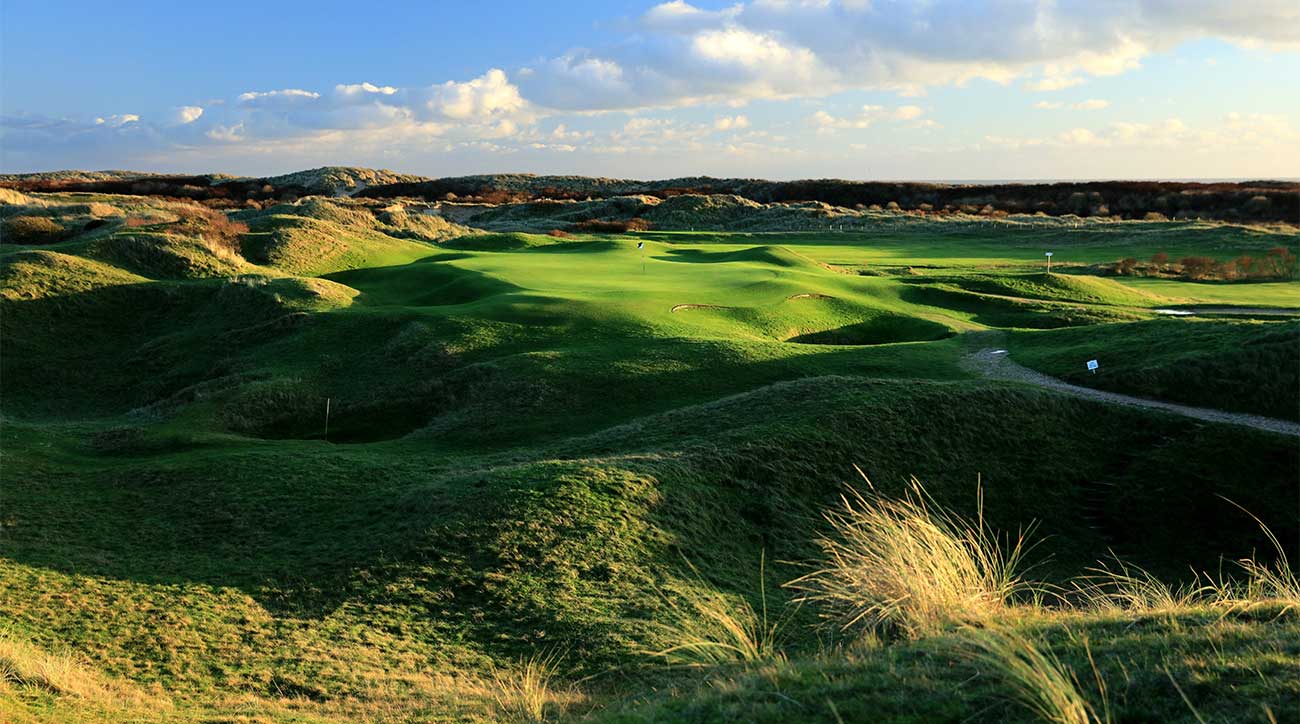
Rye's Old Course is short on par-5 relief and long on testing par-4s. The wind keeps this compact English links formidable.
Read the full story →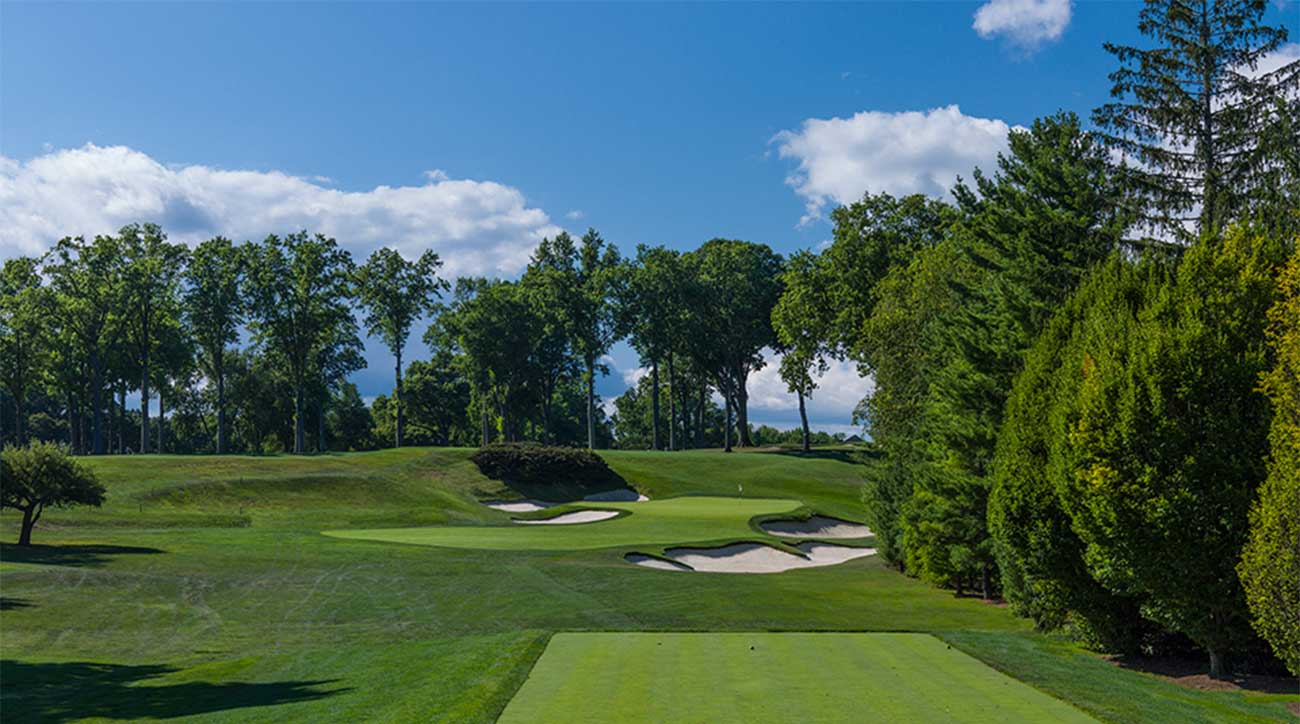
Winged Foot East has its own following beyond the famous West. Its varied holes and restored ground options make it a distinctive Tillinghast course.
Read the full story →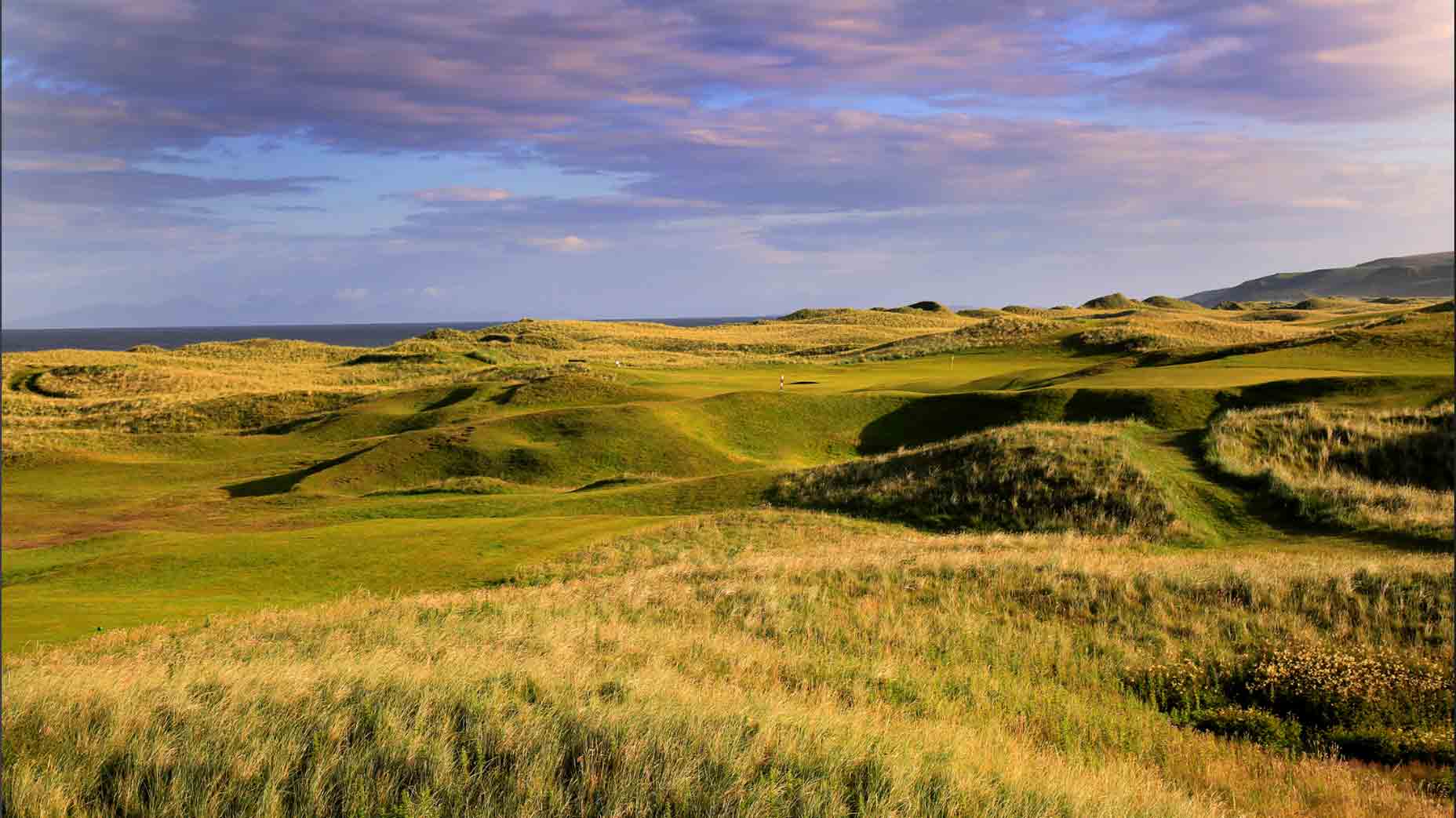
Machrihanish begins with a tee shot across the beach. The remote Kintyre links continues with wind, firm turf and little need for artificial drama.
Read the full story →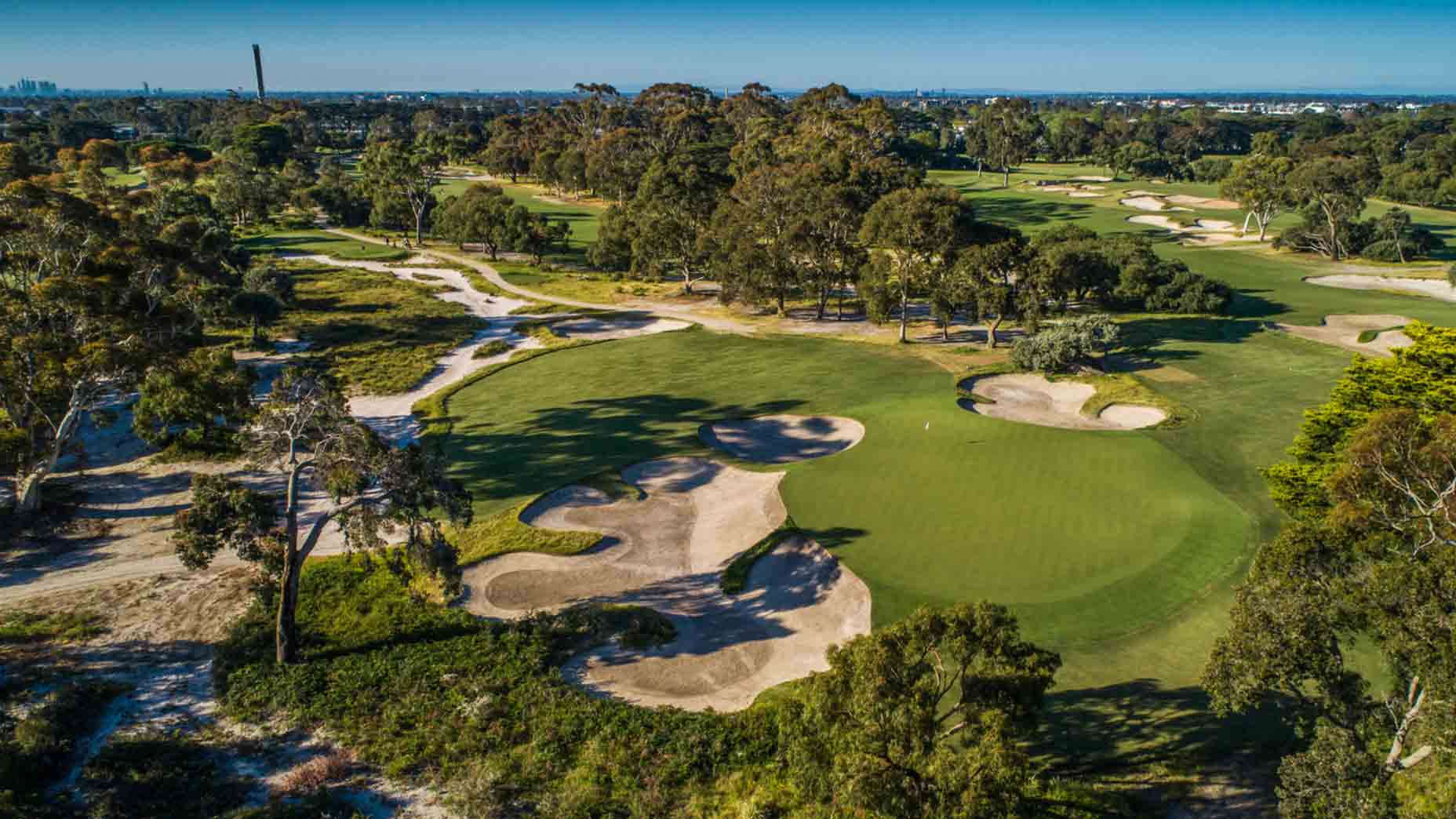
Victoria's restoration renewed an Australian Sandbelt classic. Its bunkering and firm ground again reward the right path into each green.
Read the full story →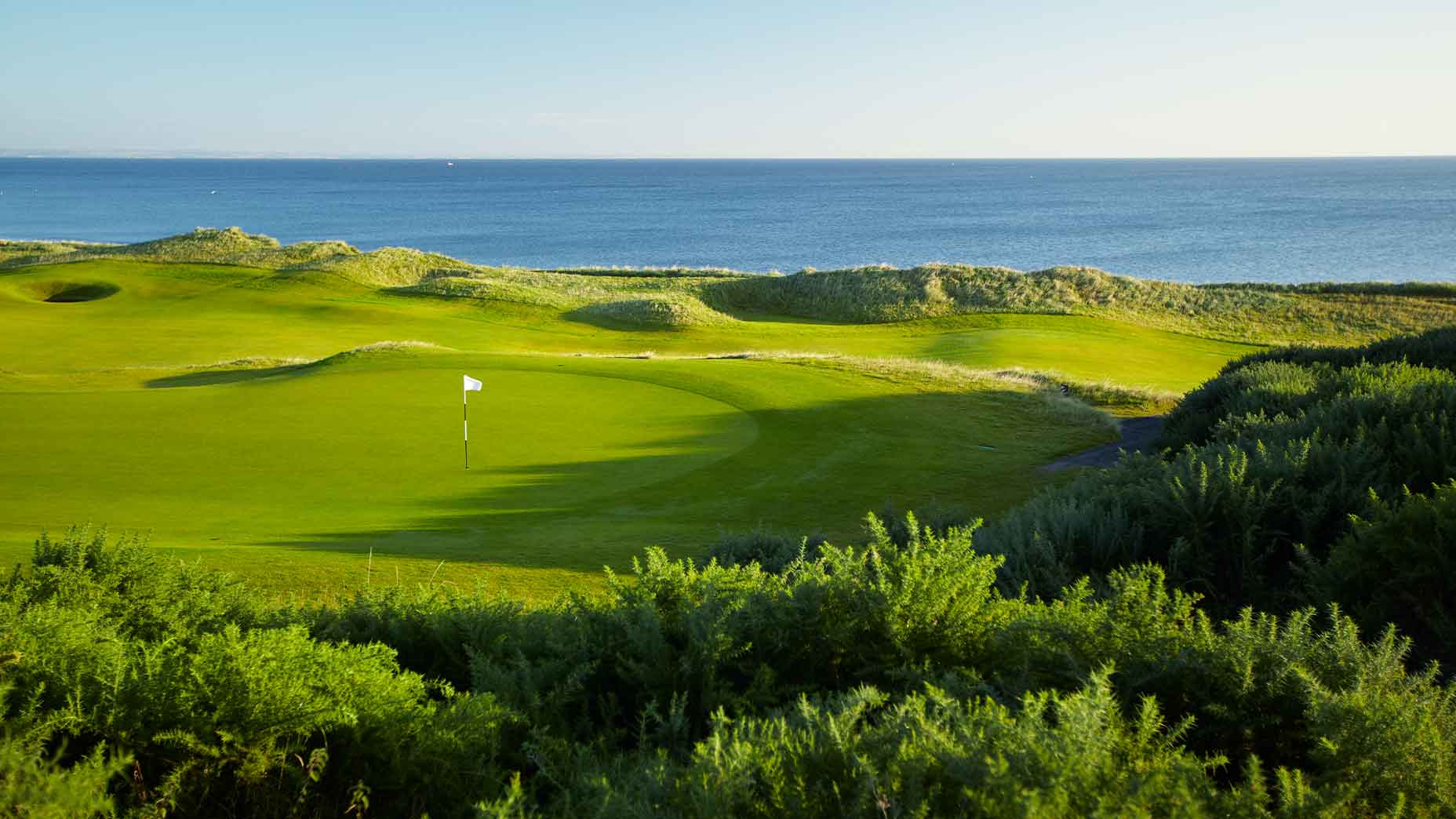
Kyle Phillips designed Kingsbarns near St Andrews at the end of the 20th century. Its sea views and lively ground quickly won over links travelers.
Read the full story →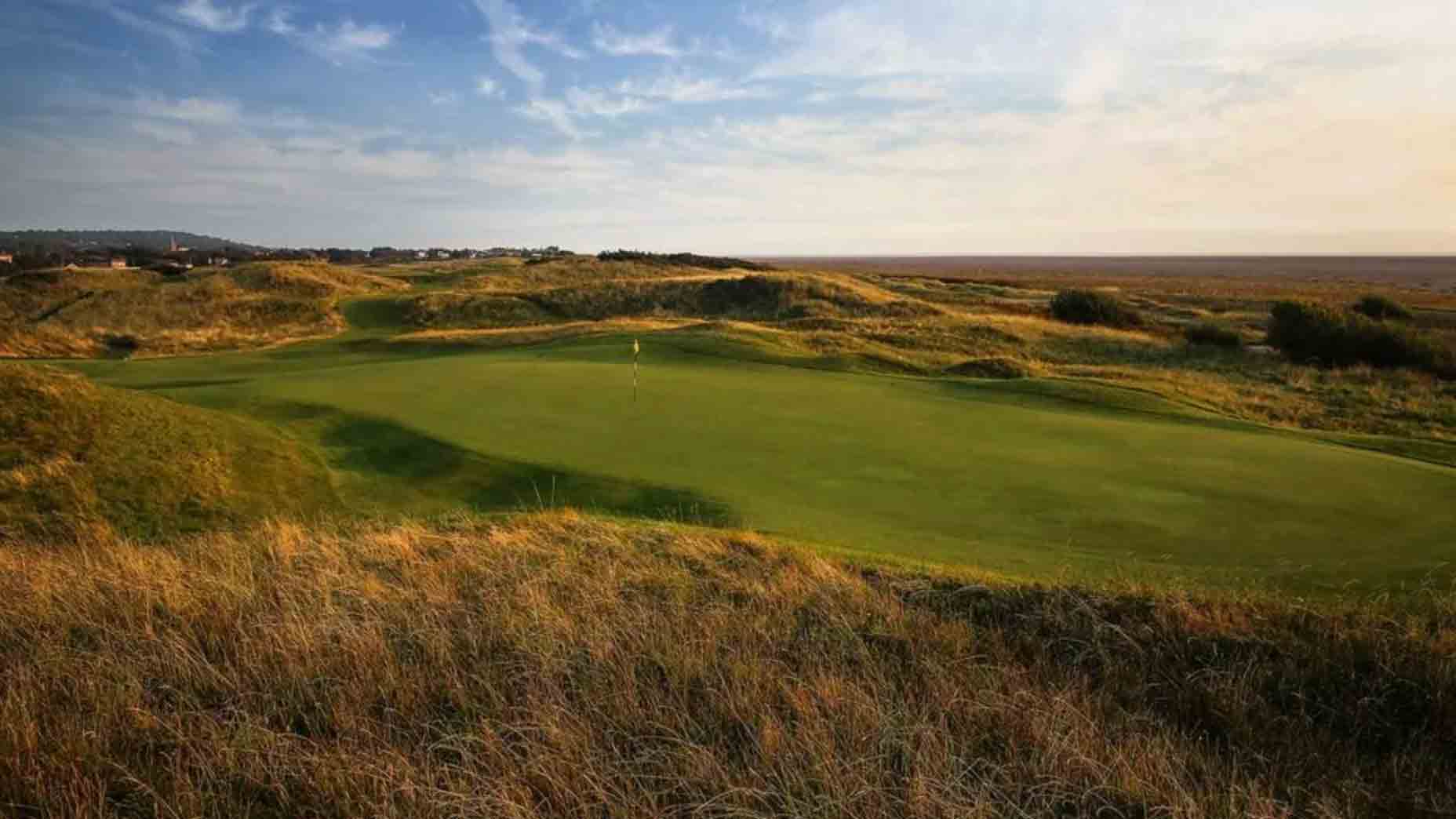
Royal Liverpool at Hoylake has hosted Opens across three centuries. Its flatter appearance belies bunkers and wind that punish careless play.
Read the full story →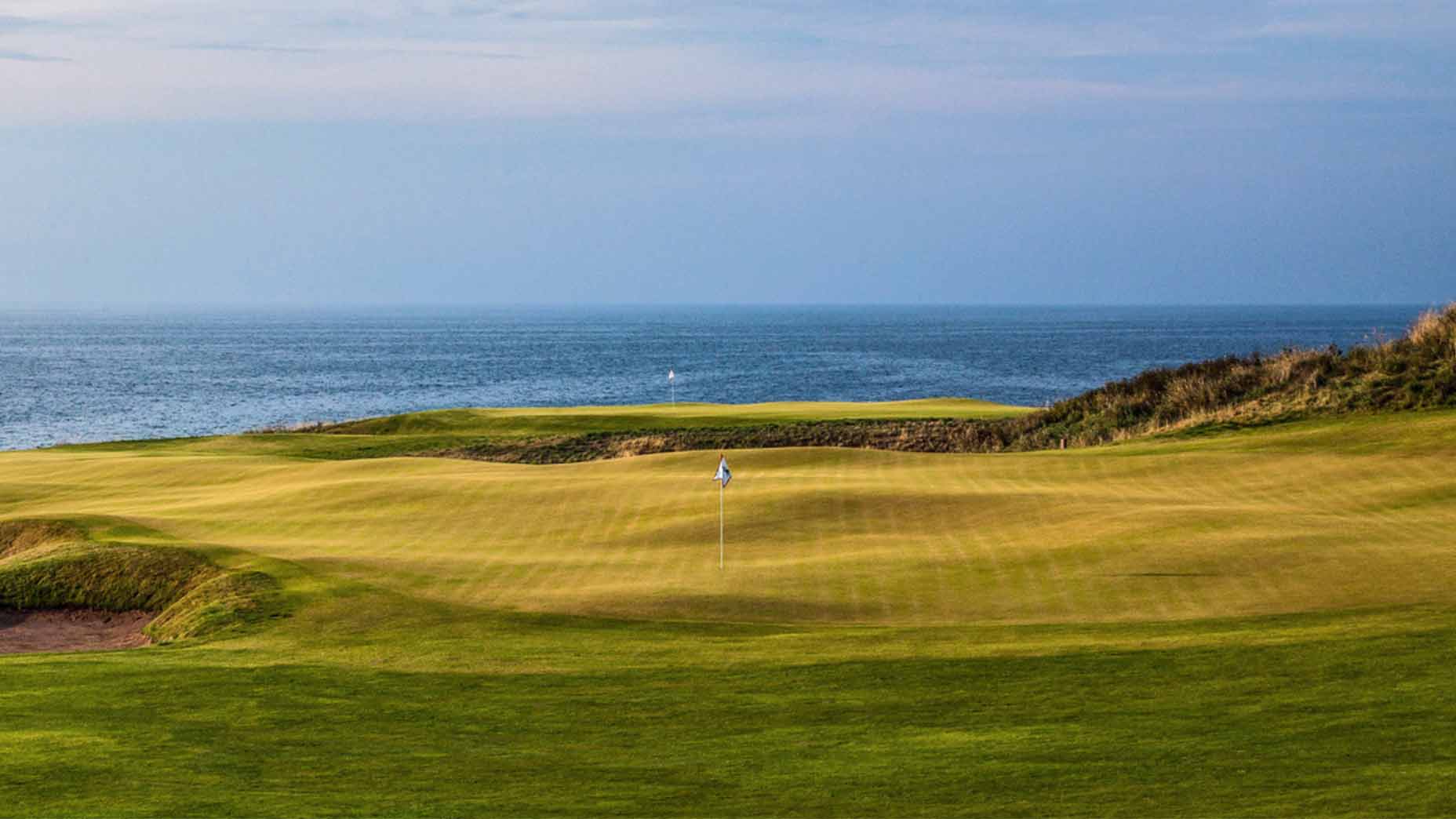
Rod Whitman's Cabot Links brought authentic seaside links golf to Nova Scotia. Firm turf and the Gulf of St Lawrence shape its playing character.
Read the full story →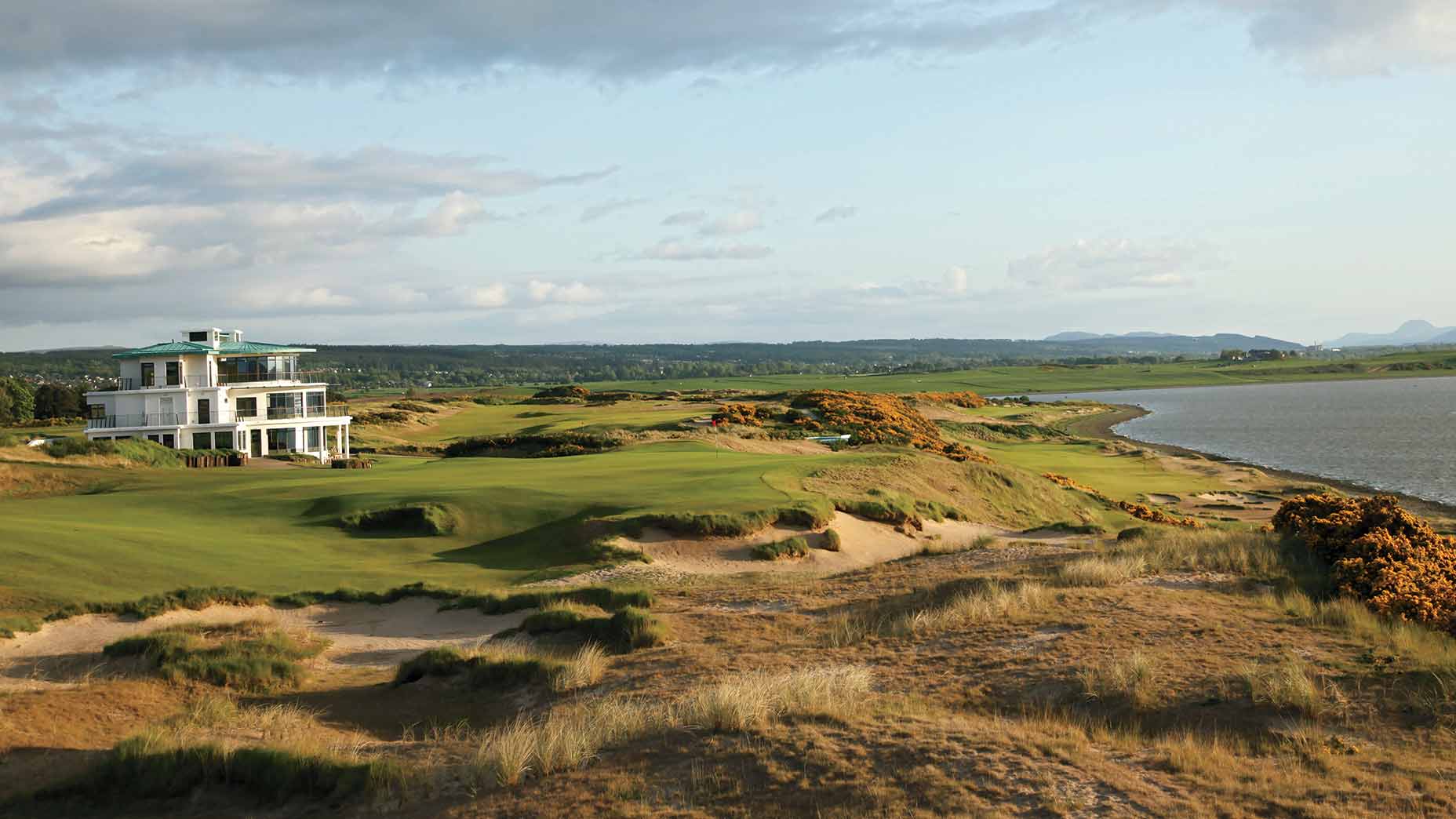
Castle Stuart's figure-eight routing repeatedly returns to the Moray Firth. Gil Hanse and Mark Parsinen used that shoreline to vary the course's outlook.
Read the full story →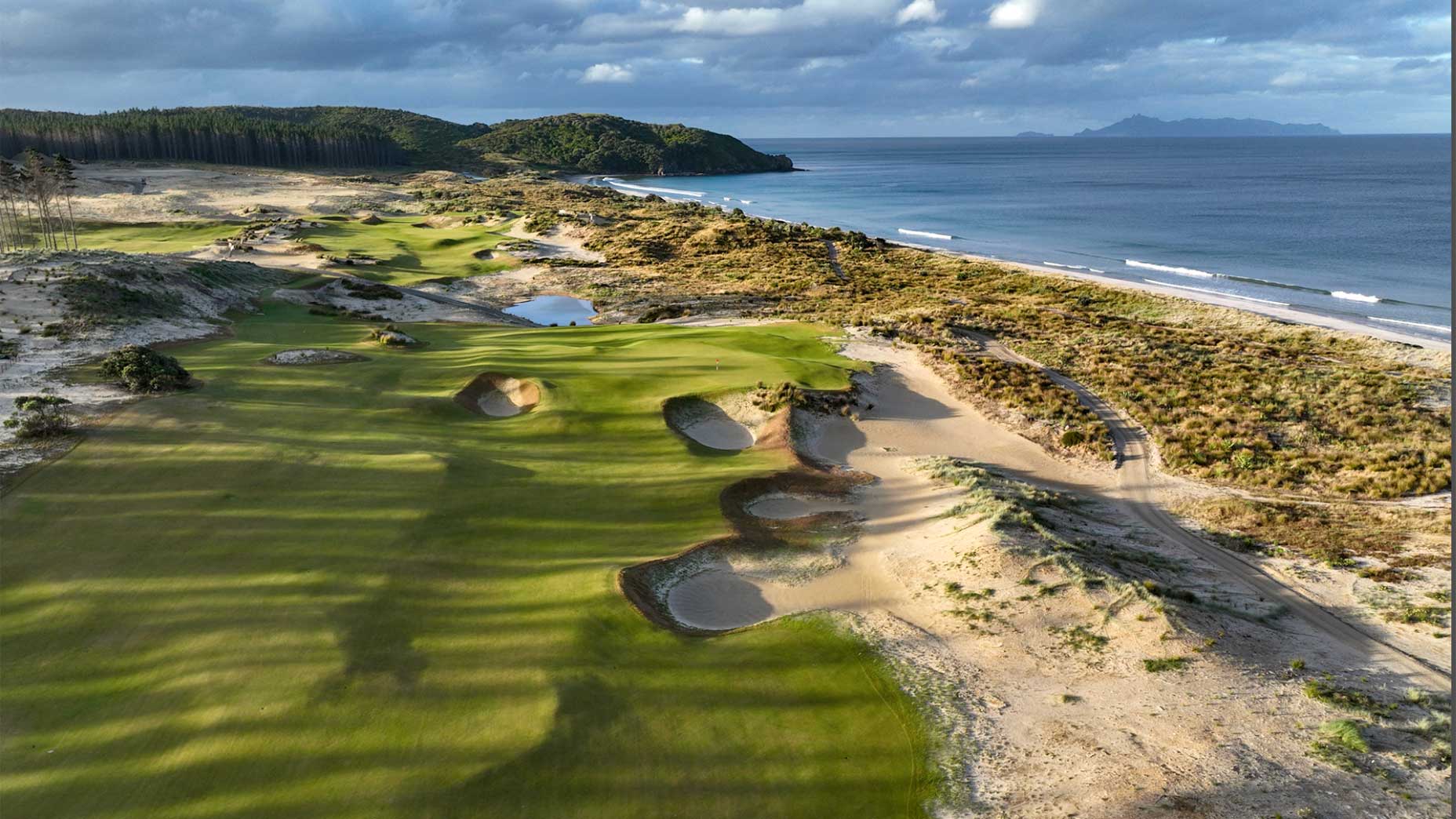
Tom Doak's Te Arai North moves from coastal dunes into native forest and back. The changes in setting give each stretch its own mood.
Read the full story →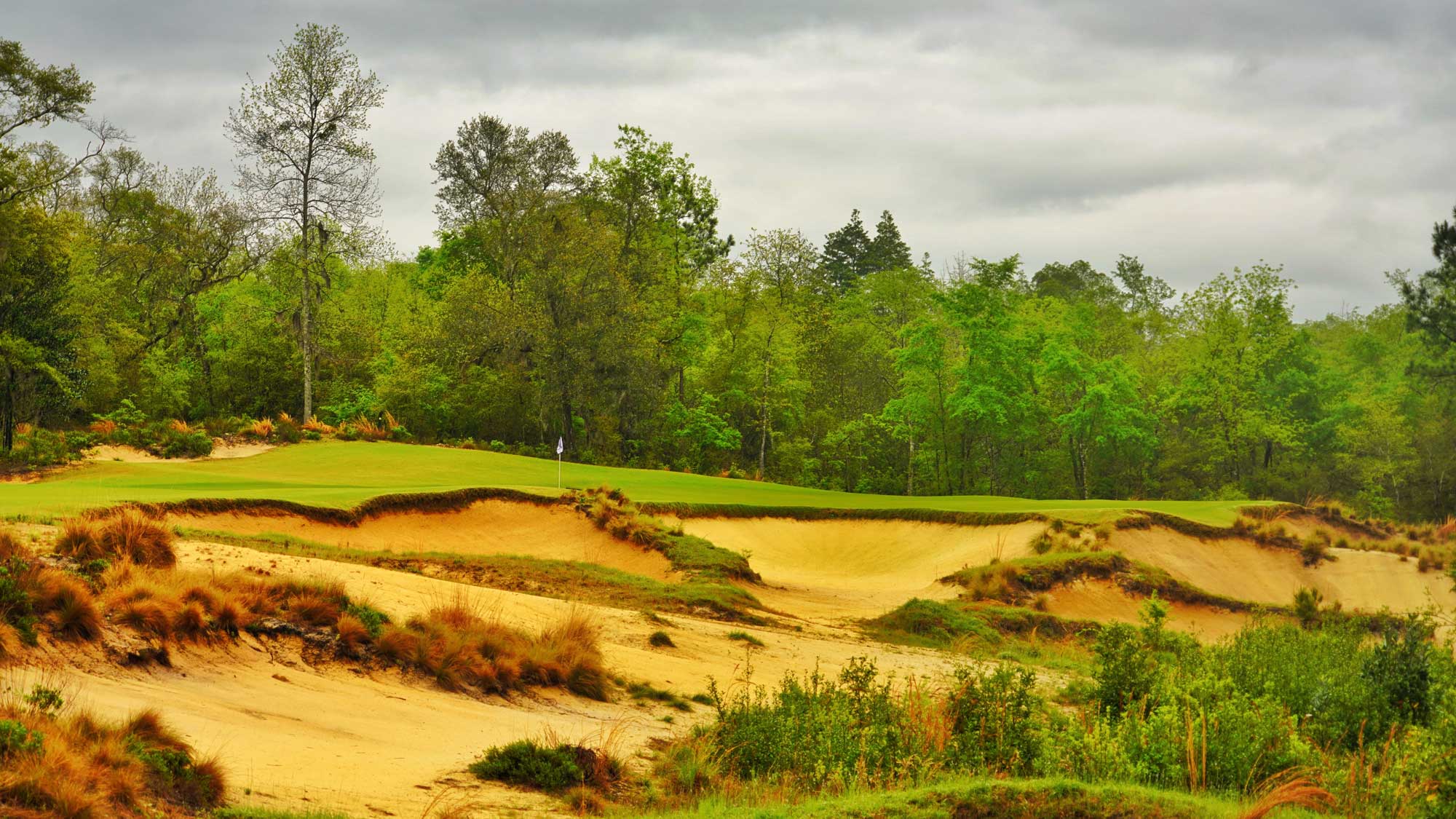
Gil Hanse and Jim Wagner built Ohoopee's match-play course on ancient river sand. Its broad choices encourage risk and invention rather than a single prescribed shot.
Read the full story →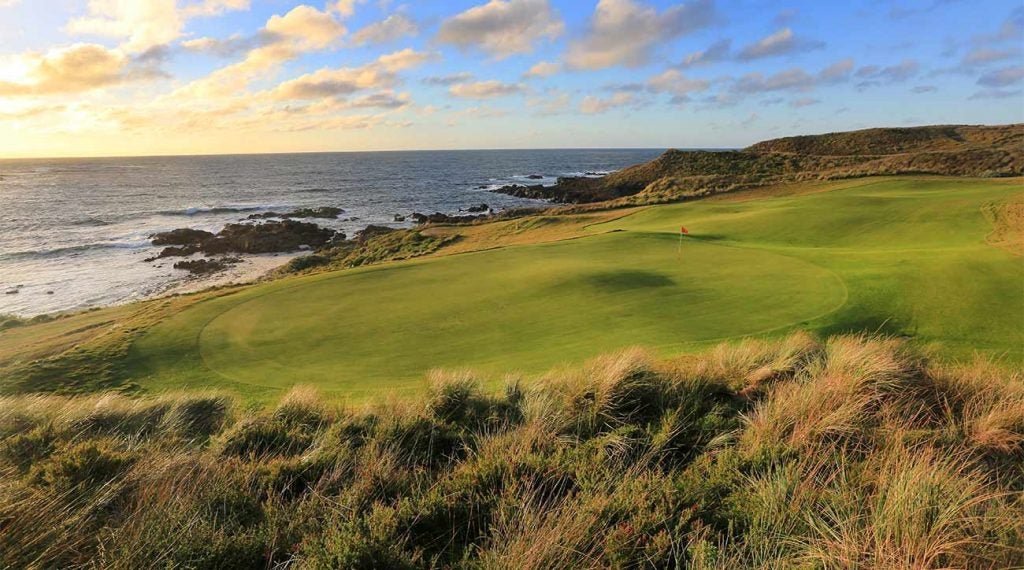
Cape Wickham runs along King Island's windy northern edge. Ocean-side par-3s and a bold finishing drive make its setting part of every decision.
Read the full story →